

Imagine landing on a website to buy a product or book a service, only to leave within seconds because something feels “off.” Maybe the layout looks outdated. You might notice a total lack of customer reviews, or perhaps there is no visible phone number or business address anywhere on the page. This split-second reaction is exactly why website credibility matters so much in today’s competitive online landscape.
Visitors judge a digital storefront in milliseconds, and that initial impression often decides whether they stay, browse, or bounce. Studies show users form an opinion about a site’s reliability in as little as 50 milliseconds, long before they read a single word of copy. The good news is that trust isn’t a mystery. It can be intentionally engineered through layout choices, social proof, cohesive branding, and visual website trust signals that work together to reassure visitors they’re in safe hands.
This article breaks down exactly how each of these structural elements operates, why they matter to Australian consumers, and how you can apply them to build a site that earns long-term authority and turns traffic into paying clients.
Improve your website credibility by identifying structural gaps before they start costing you qualified leads.
Why Trust Matters More Than Ever in Web Design
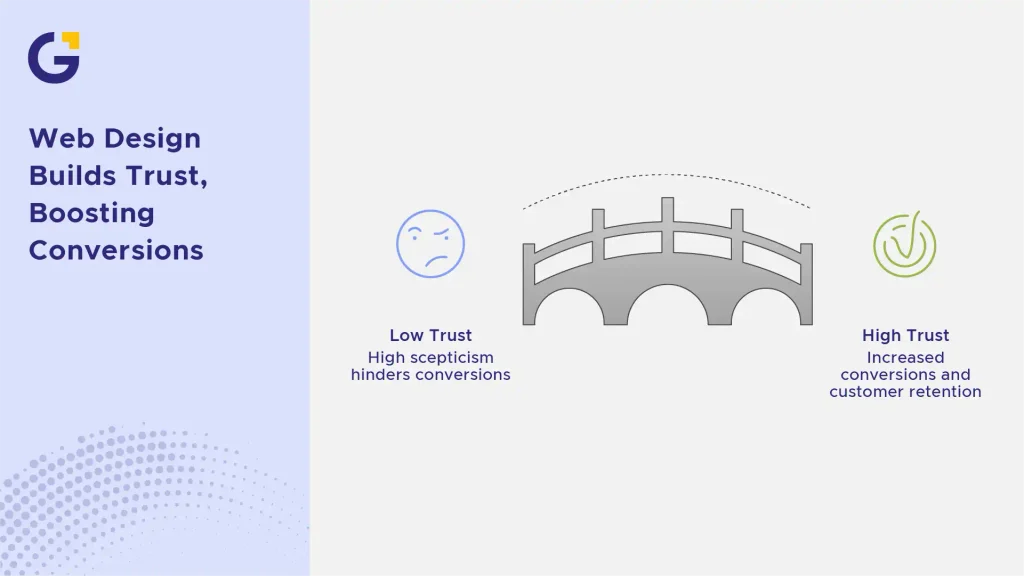
Online consumers today carry higher expectations and greater scepticism than ever before. With rising awareness of online scams, cybersecurity threats, and low-quality vendors, customers actively look for indicators that a business is legitimate before making contact or entering payment details.
Establishing website credibility isn’t just a design preference; it directly dictates your conversion rates, bounce rates, and long-term customer retention. A site that fails to project authority within the first few seconds often loses visitors permanently, regardless of how superior the underlying product or service actually is. Incorporating robust website trust signals early in the user journey bridges this gap seamlessly.
Example Case: An Australian online skincare brand redesigned its homepage to feature verified customer reviews, a transparent return policy, and a detailed “About Us” section. Within two months, conversion rates increased by 18 per cent, simply because visitors felt confident completing their purchases.
- First impressions form in under a second and remain notoriously difficult to reverse.
- Digital authority directly correlates with higher conversions and reduced cart abandonment.
- Building customer confidence is a cornerstone of Conversion Rate Optimisation (CRO) Strategies for Australian Websites, moving far beyond basic aesthetics.
How Layout Influences Customer Trust
Layout functions as the silent foundation of online authority. A cluttered, confusing, or unbalanced layout signals poor organisation, whereas a clean, intuitive structure communicates professionalism and reliability.
Visitors subconsciously tie visual clarity to business competence. When a website is easy to navigate, prospects naturally assume the company behind it will be equally straightforward to deal with. Implementing tailored UI/UX design ensures users find critical information without friction.
Example Case: A Sydney law firm’s outdated website featured buried contact forms and inconsistent fonts. After restructuring the site around clear UI/UX for B2B businesses: 10 page patterns that convert, site visitors spent 40 per cent more time reading practice pages, resulting in a marked increase in direct consultation enquiries.
- Maintain consistent spacing, alignment, and typographic hierarchy across every page.
- Prioritise straightforward navigation menus paired with clear, descriptive labels.
- Avoid overcrowding layouts with excessive call-to-action banners or intrusive pop-ups.
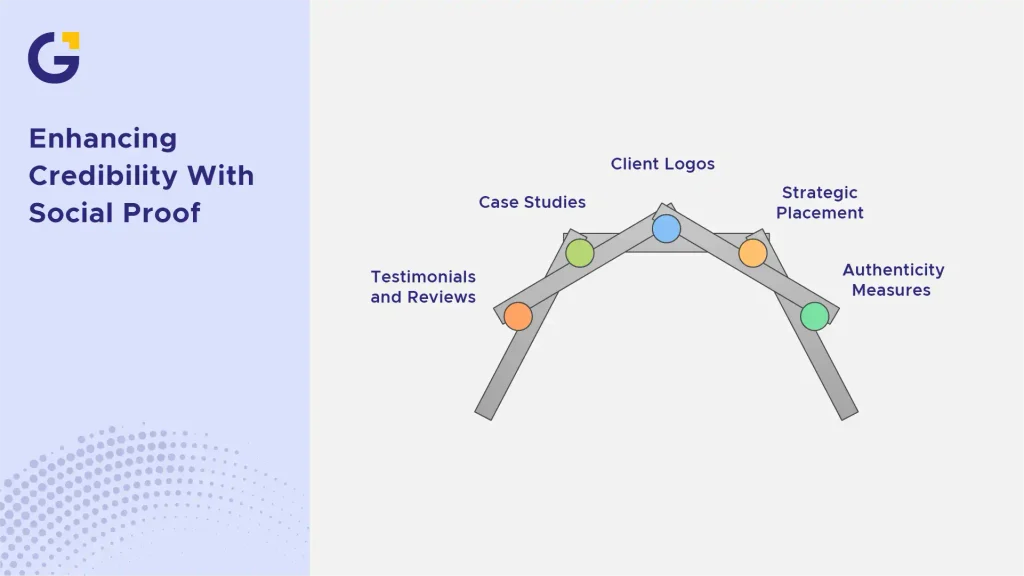
The Role of Social Proof in Building Credibility
Social proof leverages fundamental buyer psychology. When prospective clients observe that others have had positive, risk-free experiences, their hesitation diminishes rapidly.
Testimonials and Reviews
Authentic testimonials and client reviews confirm that real people have bought from and trusted your business. Research published by Harvard Business School demonstrates that a one-star increase on online review platforms can boost revenue by 5 to 9 per cent. Positioning star ratings and verified feedback near critical decision points such as service enquiry forms or checkout pages helps turn hesitant browsers into confident buyers. Implementing a strategy focused on how reviews help Sydney businesses rank in Google, Maps and AI results further amplifies this impact across search platforms.
Case Studies and Client Logos
Case studies provide concrete evidence by detailing real-world challenges and measurable outcomes, while client logos lend instant credibility through association. Showcasing recognised brand partners or industry certifications reassures prospective buyers that your organisation is established and reliable.
Example Case: A B2B software vendor added three structured case studies featuring verifiable client metrics to their primary landing pages. Demo bookings rose by 25 per cent within a single quarter, as prospects could clearly evaluate proven results before committing to a call.
- Display reviews accompanied by real names, photos, or business locations to preserve authenticity.
- Structure case studies to highlight specific client pain points, solutions, and key metrics.
- Place client and partner logos strategically above the fold on key service pages.
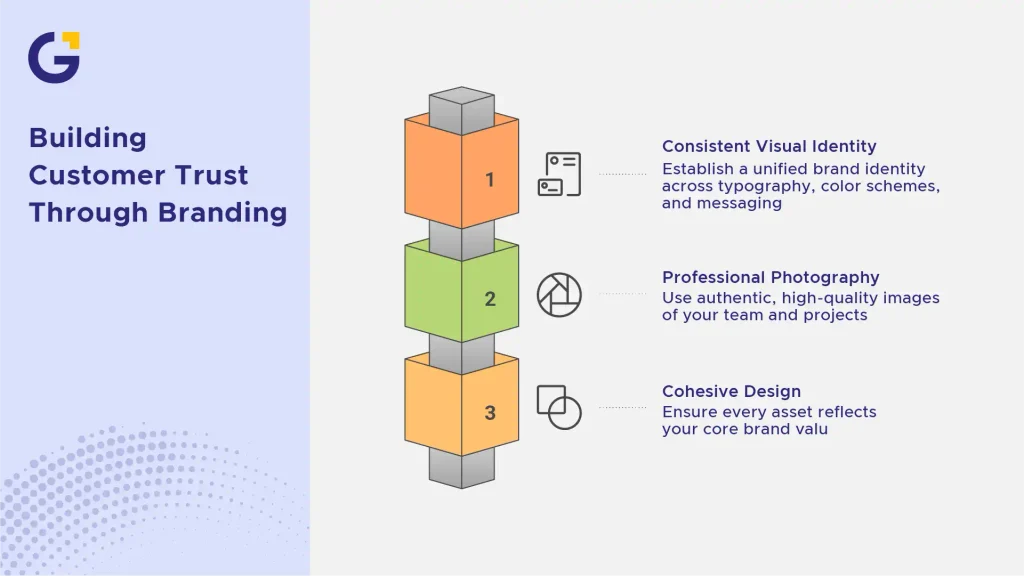
Branding Elements That Build Trust
Your brand’s visual presentation directly communicates the professionalism and stability of your business before a client reads a single word. Strategic branding choices create an immediate sense of reliability that reassures prospective customers as they navigate your website.
Consistent Visual Identity
A unified brand identity across typography, colour schemes, and messaging creates a sense of familiarity and stability. Inconsistent visual cues across different subpages can make even an established business appear unpolished or unverified.
Professional Photography and Design
Overusing generic stock photos can quickly erode visitor confidence. Authentic, high-quality images of your actual team, office space, or completed projects reinforce transparency and professionalism.
Example Case: A boutique advisory firm replaced generic stock imagery with professional portraits and authentic office photography. Follow-up feedback revealed that prospective clients felt significantly more comfortable reaching out, driving a 30 per cent increase in consultation bookings.
Design for customer trust by ensuring every asset from your logo mark to your custom iconography feels cohesive, intentional, and reflective of your core brand value.
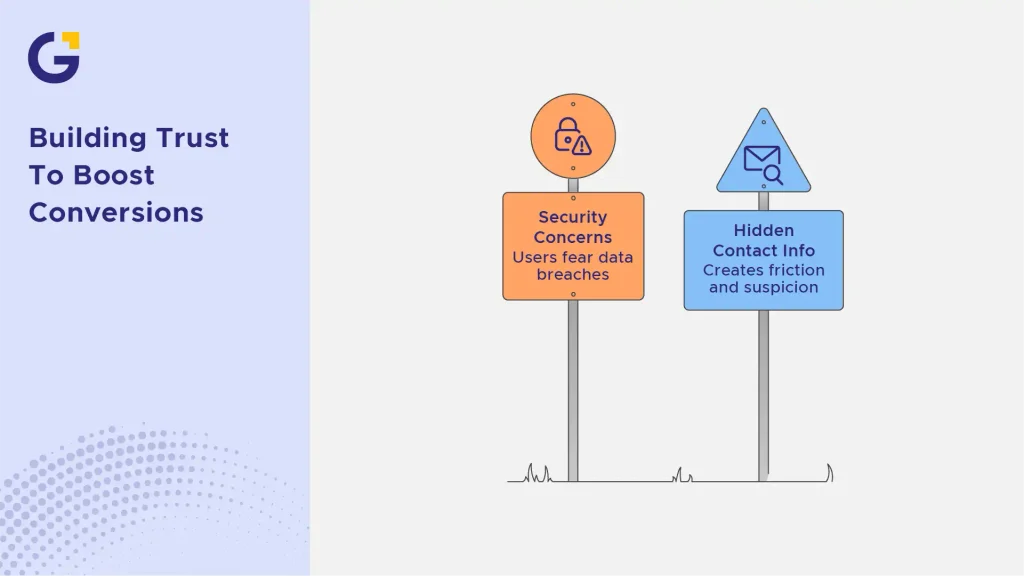
Trust Signals That Boost Conversions
Beyond aesthetics, specific functional elements provide technical proof that your platform is safe, accessible, and run by a legitimate enterprise.
Security Badges and Certifications
Visible SSL encryption certificates, secure payment gateways, and industry accreditation badges mitigate online anxiety. The Stanford Web Credibility Project highlights that functional verification and technical security indicators rank among the primary metrics users evaluate when determining whether a site can be trusted with sensitive data.
Clear Contact Information
Hiding contact details behind complex submit forms creates unnecessary friction and suspicion. Displaying a physical office address, local phone numbers, and direct email channels reassures visitors that there are real professionals available to support them. You can review the 7 quick trust signals that turn casual Sydney visitors into instant leads to audit your contact areas and immediate trust markers.
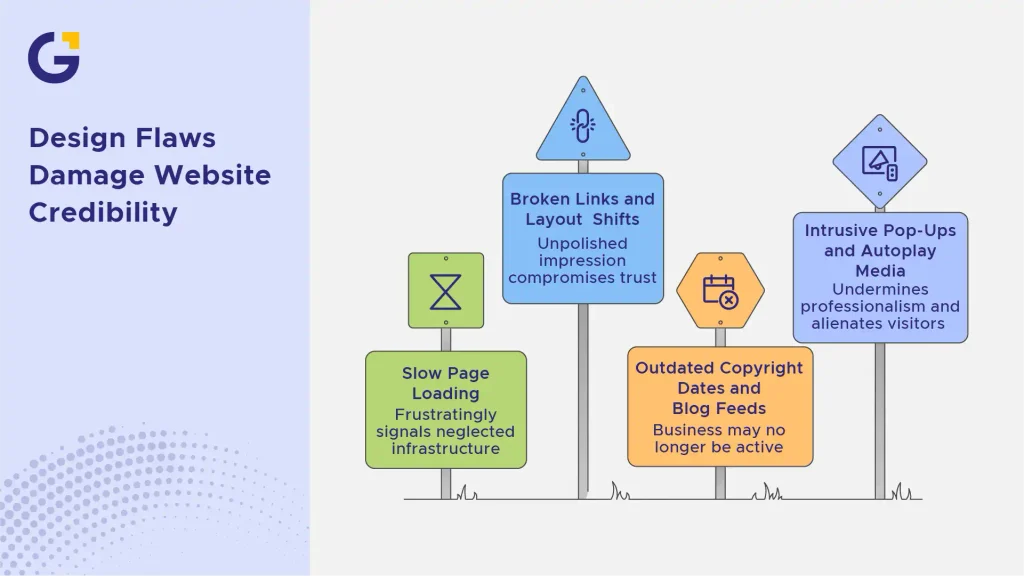
Common Design Mistakes That Damage Credibility
Even well-funded digital marketing campaigns can fail if underlying design flaws erode user confidence. Several common mistakes repeatedly harm website credibility across commercial platforms:
- Slow Page Loading Speeds: High latency frustratingly signals neglected infrastructure and causes visitors to abandon the site before evaluating your services.
- Broken Links and Layout Shifts: Technical errors, missing pages, or shifting page elements create an unpolished impression that compromises user trust.
- Outdated Copyright Dates and Blog Feeds: Displaying old copyright year tags or abandoned news feeds gives the impression that the business may no longer be active.
- Intrusive Pop-Ups and Autoplay Media: Interrupting the user experience with immediate aggressive overlays undermines professionalism and alienates visitors.
Fixing these issues through targeted technical SEO and UX improvements ensures your digital assets remain secure, responsive, and trustworthy.
Frequently Asked Questions
1-What is the fastest way to improve website credibility?
The quickest improvements come from adding verified customer reviews, updating contact details to include a physical address and phone number, displaying SSL security badges, and removing outdated visual elements or broken links.
2-How does web design directly impact conversion rates?
Design dictates user experience and emotional comfort. A clear layout with intuitive navigation, accessible trust badges, and quick load speeds reduces buying friction, making it easier for visitors to take action.
3-Are stock photos bad for a business website’s reputation?
While polished stock photos are better than low-quality blurred images, overusing generic stock photography can make a site feel distant or insincere. Authentic photos of your actual team, products, or workspace consistently generate higher trust and engagement.
4-What trust signals are most essential for e-commerce sites?
E-commerce websites require clear security badges at checkout, transparent shipping and return policies, visible customer ratings on individual product pages, and clear customer support contact channels.


 21 Aug 2026
 8 Min Read