Best Free Chatbot Plugins for WordPress in 2026: What to Use and What to Avoid

Free chatbot plugin for WordPress customer support chatbot

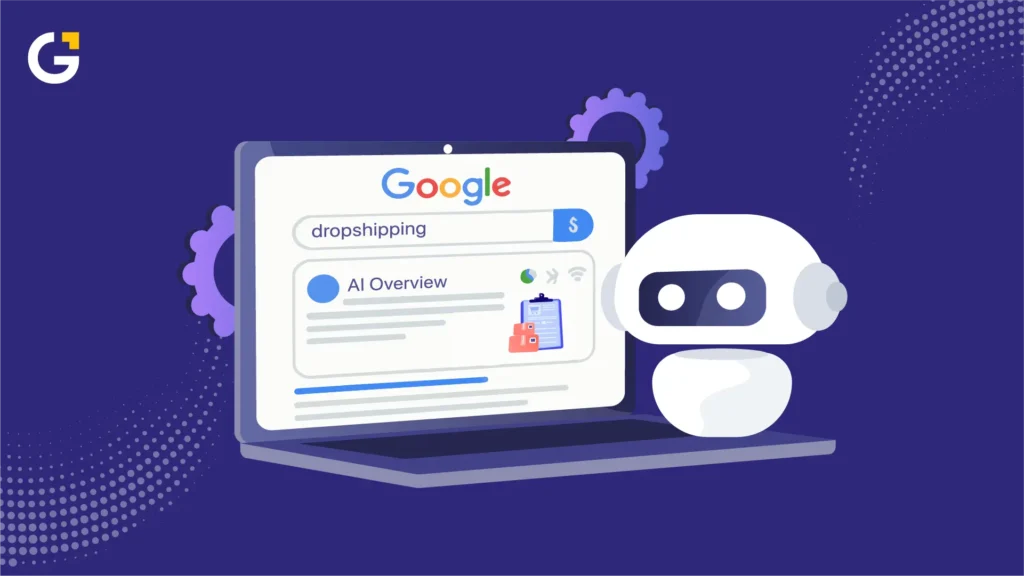
Many Australian businesses now use a free chatbot plugin for WordPress to improve customer support, capture leads, and respond to enquiries outside business hours. A WordPress chatbot plugin free plan can help service businesses, ecommerce stores, consultants, and local businesses reduce repetitive support work without investing in large support teams. The challenge is that not every AI chatbot plugin WordPress users install performs well in real business environments. Some chatbot tools slow down websites, create mobile usability issues, or lock important features behind expensive upgrades. Others work well for basic lead capture but struggle with WooCommerce support, AI-generated responses, or CRM integrations. Businesses in 2026 are also expecting more from chatbot software. Many now want AI chatbot functionality, mobile-friendly support automation, conversational lead capture, and integrations with WooCommerce, email marketing tools, and customer support workflows. This guide compares the best free WordPress chatbot plugin options, explains what features matter most, highlights common limitations, and helps businesses decide when a free AI chatbot WordPress setup is practical and when it becomes restrictive. Quick Recommendation Many businesses use a free chatbot plugin for WordPress to automate customer support, capture leads, and improve response times without hiring additional staff. The best free WordPress chatbot plugin should be lightweight, easy to install, mobile-friendly, and capable of supporting lead generation or WooCommerce workflows without slowing down the website. What makes a good free WordPress chatbot plugin A good free WordPress chatbot plugin should be easy to install, lightweight, capable of basic AI or lead capture automation, and flexible enough to support customer enquiries without hurting website performance. Many chatbot plugins advertise AI capabilities, but the experience can differ heavily depending on setup quality, plugin architecture, WooCommerce compatibility, and support workflows. Some plugins work best for simple enquiry collection, while others focus more on AI-generated responses, ecommerce automation, or CRM-connected lead nurturing. The best chatbot plugin also depends on the business model. A local service business may prioritise quote requests and appointment enquiries, while a WooCommerce store may need shipping automation, product recommendations, and order tracking support. Ease of setup Most chatbot plugins install directly through the WordPress Plugin Directory, but setup complexity varies significantly between tools. Some plugins offer no-code chatbot setup with beginner-friendly dashboards, while others require API keys, external platforms, or advanced configuration steps. A common issue we see is businesses installing chatbot tools that require complex setup workflows, then abandoning them before launch. This often happens when businesses choose advanced AI chatbot platforms before confirming whether they actually need enterprise-level automation. Plugins like Tidio and Jotform AI Chatbot usually provide faster onboarding for smaller businesses. AI-focused tools like AI Engine often provide more flexibility but require more technical configuration. Businesses planning a more scalable WordPress chatbot setup should also review mobile responsiveness, Elementor compatibility, plugin conflicts, and website UX before implementation. Lead capture features Many businesses install a chatbot plugin primarily for lead generation rather than full AI customer support. Basic chatbot workflows often include enquiry forms, email collection, appointment booking, and customer enquiry routing. Service businesses, consultants, tradies, clinics, and local businesses often use chatbots for after-hours lead capture and enquiry routing. A plumbing business may use chatbot workflows to separate emergency jobs from standard quote requests, while a clinic may use appointment booking automation to reduce repetitive reception enquiries. WooCommerce stores may use chatbot automation for product enquiries, support tickets, or abandoned cart workflows. Many smaller businesses use chatbots first for basic lead collection before expanding into more advanced AI automation. This allows teams to improve response times without immediately changing existing customer support systems. Chatbot lead capture becomes more effective when integrated into a structured marketing funnel for Australian businesses that supports follow-up workflows, conversion tracking, and lead nurturing. AI training and data control Free AI chatbot WordPress tools increasingly support website crawling, FAQ ingestion, AI-generated responses, and custom knowledge bases. Some AI chatbot systems can scan website pages automatically and generate conversational responses based on existing content. This improves support automation but also creates accuracy and data control concerns. AI hallucination remains a common issue, especially when chatbot tools rely on incomplete website data or poorly structured training content. Businesses should regularly review chatbot conversations, customer interactions, and AI-generated answers to prevent inaccurate support information from appearing publicly. Trusted plugin providers available through the WordPress Plugin Directory generally provide better update reliability and security practices. Businesses handling sensitive customer information should also review GDPR policies, data storage locations, and third-party AI integrations before deployment. Resources from Google Search Central also recommend reviewing how scripts, automation tools, and external integrations affect overall website usability. Best free chatbot plugin options The best free chatbot plugin depends on whether the website focuses on lead generation, WooCommerce support, AI automation, or customer service workflows. Different chatbot categories solve different business problems. Some tools prioritise conversational AI and automation, while others focus on lightweight live chat support or CRM-connected workflows. Plugin Best For AI Features Free Plan Quality WooCommerce Support Ease of Setup Website Performance AI Engine AI customisation Advanced Moderate Partial Medium–Hard Moderate Jotform AI Chatbot Lead capture Strong Good Partial Easy Good Tidio Small businesses Moderate Good Good Easy Moderate HubSpot Chat CRM workflows Moderate Moderate Partial Medium Moderate Crisp Lightweight support Basic Good Partial Easy Good Basic live chat widgets Simple support Minimal Good Limited Easy Very Good AI Engine AI Engine is one of the more advanced AI chatbot plugins available through the WordPress ecosystem. It integrates directly with OpenAI and supports AI-generated responses, content generation, chatbot workflows, and custom chatbot behaviour. The plugin is highly flexible for developers and businesses wanting deeper AI customisation. Businesses can train AI assistants using website content, prompts, and structured workflows. The trade-off is complexity. AI Engine usually requires API setup, prompt configuration, and ongoing optimisation to work effectively. API token costs can also increase as chatbot usage grows. For businesses wanting advanced AI chatbot automation inside WordPress itself, AI Engine offers more flexibility than many beginner-focused chatbot tools. Jotform AI Chatbot … Read more

AI Website Packages in Australia: What Should Small Businesses Actually Get?

AI website packages in Australia with chatbot automation

AI website packages in Australia are structured website solutions that combine AI-assisted design, page planning, SEO foundations, hosting, and technical setup into a single service for small businesses. Australian SMEs are increasingly comparing AI website design packages, DIY website builders, and WordPress website packages in Australia to find a practical and cost-effective way to build a professional online presence. The challenge is that not all small business website packages are built for long-term growth. Some only provide a basic website with limited SEO setup and minimal analytics, while others include conversion tracking, chatbot setup, scalable page architecture, and lead generation tools. A strong AI website package should support visibility, enquiries, and future business growth rather than simply helping a company launch quickly. This guide explains what an AI website package for small businesses in Australia should realistically include, what red flags to avoid, and how to choose a setup that fits different business goals and budgets. Quick Recommendation: Which AI Website Package Fits Your Business? What Is Included in an AI Website Package for Australian Businesses? An AI website package usually includes website strategy, page structure, AI-assisted design, hosting, mobile optimisation, SEO setup, forms, analytics, and support. More advanced business website packages may also include chatbot setup, conversion tracking, copywriting, automation tools, ongoing revisions, and website maintenance. The inclusions vary between providers. A basic website package may only include a small number of pages and standard hosting, while more advanced setups often include SEO architecture, structured service pages, analytics integration, and post-launch support. Understanding what your business actually needs before signing up helps avoid the common situation where a website looks professional at launch but struggles to generate enquiries or support future growth. Website Strategy and Sitemap Planning Before design work begins, a properly structured AI website package should include website strategy and sitemap planning. This stage determines which pages are needed, how users navigate the site, and how the structure supports SEO, user experience, and lead generation. For a local service business in Australia, a well-planned website design package usually includes: Without proper structure, pages often become disconnected, keyword-thin, or difficult for users and search engines to understand. Poor structure hurts both SEO and conversions. A site with vague page titles, weak internal linking, and no local SEO signals will struggle to rank in competitive Australian markets regardless of how polished the design looks. A strong SEO ready website package treats page architecture as a foundational step rather than an afterthought. Many businesses eventually discover that a small business website package built without a long-term strategy becomes difficult to scale as the company grows, especially when new service pages, local landing pages, or conversion-focused content need to be added later. AI-Assisted Design and Web Development AI-assisted website design helps businesses launch faster, but the right setup depends on how much flexibility, SEO control, and operational scalability the business needs. Smaller Australian SMEs often compare AI website builders against WordPress website packages when balancing launch speed, budget, and long-term growth requirements. AI website builders usually work best for: A local trades business with one service area, for example, may only need a streamlined website with a homepage, a few service pages, and a contact form to begin generating enquiries quickly. AI Website Builders vs WordPress Website Packages WordPress website packages are often the stronger long-term option for businesses planning to grow through SEO, content marketing, or multi-location expansion. Many businesses discover after launch that simple AI website builders become restrictive once they need suburb landing pages, advanced analytics, booking integrations, CRM workflows, or scalable service page structures. A common rebuild issue occurs when businesses launch quickly using a template-driven website package, then later realise the site cannot properly support SEO growth, lead tracking, or operational workflows without major restructuring. Migration projects often become more expensive than building the correct structure earlier. For growing service businesses such as dental clinics, accounting firms, NDIS providers, and multi-location brands, WordPress often provides stronger long-term flexibility for: Feature AI Website Builders WordPress Website Packages Setup Speed Faster Moderate Ease of Use Simpler More flexible SEO Flexibility Basic to Moderate Strong Customisation Limited to Moderate Extensive Plugin Access Limited Broad Scalability Moderate Strong Long-Term Growth Suitable for simpler websites Better for SEO and expansion The strongest AI website packages combine AI-assisted workflows with human strategy. AI can speed up layouts and development tasks, but businesses still need human oversight for: Without strategic planning, businesses often launch quickly but later struggle with SEO limitations, poor tracking visibility, disconnected workflows, or difficult migration projects. Chatbot, Forms, and Automation Features Chatbot setup, enquiry forms, booking systems, and automation tools are becoming common inclusions in advanced AI chatbot website packages. These features help businesses capture leads outside business hours, improve conversion tracking, and reduce manual admin work. Automation examples by business type: Not every business needs conversational AI or advanced automation immediately. In many situations, well-designed forms with fast loading times and clear labels are enough to support lead generation effectively. A strong conversion website package should match automation features to actual business needs rather than adding unnecessary complexity. The goal is to improve enquiry handling and conversion tracking without making the website harder to manage. For businesses wanting to understand how websites, SEO, and automation support growth together, Genix Digital’s digital marketing services explain how these systems connect within a broader marketing strategy. What SEO and Tracking Features Should Be Included in AI Website Packages Australia? A strong AI website package should include technical SEO setup, indexable pages, metadata, mobile optimisation, analytics, conversion tracking, and basic AI search optimisation. Many website packages for small businesses in Australia skip these essentials, which can reduce visibility in Google search results and limit long-term lead generation opportunities. A professional-looking website alone will not improve rankings or generate organic traffic consistently. For Australian SMEs competing in local search, the technical setup behind the website matters just as much as the design itself. Businesses comparing business website packages should understand what SEO … Read more

Wix vs WordPress vs Custom AI Website: What Should a Small Business Choose?

Wix vs WordPress vs custom website visual platform comparison

Wix, WordPress, and custom AI websites all solve different business needs. Wix helps businesses launch quickly with minimal setup. WordPress gives stronger SEO, content, and marketing flexibility. A custom AI website supports advanced automation, integrations, lead funnels, and scalable digital growth. The right choice depends on your business goals, marketing plans, operational needs, and long-term growth strategy. Many Australian small businesses choose a website platform based only on setup cost or convenience. That decision often creates problems later. A tradie may eventually need suburb landing pages and CRM integrations. A dental clinic may require booking automation and conversion tracking. An NDIS provider may outgrow template limitations once local SEO and customer acquisition become more competitive. The platform that works for a startup brochure website may not work for a business planning SEO expansion, paid advertising, multi-location growth, or advanced conversion funnels. Quick Recommendation: Which Platform Makes the Most Sense? Choose Wix if: Choose WordPress if: Consider an custom AI website if: Many Australian SMEs eventually rebuild their website because the original platform could not support SEO expansion, integrations, or marketing requirements. Choosing the right platform earlier can reduce migration costs, rebuild risks, and long-term technical limitations. Quick Comparison Table: Wix vs WordPress vs Custom AI Website Wix, WordPress, and custom AI websites differ most in SEO control, ownership, scalability, marketing flexibility, and integration capability. Wix focuses on ease of use and fast setup. WordPress balances flexibility with scalable SEO and content expansion. Custom AI websites support advanced workflows, automation, and conversion-focused marketing systems. Category Wix WordPress Custom AI Website Setup Speed Fast Moderate Longer setup SEO Control Moderate Strong Very strong Design Flexibility Limited by templates High Fully custom Ownership Control Platform-controlled Full ownership Full ownership Scalability Moderate High Very high Maintenance Low Moderate Managed support AI Features Built-in AI builder Plugin-based AI tools AI-assisted workflows CRM Integration Limited Strong Fully customised Content Scalability Moderate Very strong Very strong Local SEO Suitability Moderate Strong Very strong Migration Flexibility Moderate Strong Strong Core Web Vitals Control Limited Strong Very strong Ecommerce Suitability Basic to moderate Strong Advanced Long-Term Ownership Risk Higher dependency Lower dependency Lowest dependency Best For Small brochure websites SEO-focused SMEs Growth-focused businesses Cost Comparison Wix usually has the lowest setup cost and the simplest launch process. Businesses can build a website quickly without managing hosting, developers, or ongoing technical maintenance. That makes Wix attractive for sole traders, consultants, startups, and service businesses testing a new market. WordPress costs vary more because businesses often pay separately for hosting, premium plugins, SEO tools, developer support, security management, and maintenance. The platform requires more ongoing management, but businesses gain far more flexibility, SEO control, and ownership. Custom AI website development usually involves the highest upfront investment because the website infrastructure is tailored around business operations, integrations, automation, and conversion workflows from the beginning. For some growing businesses, that reduces the risk of rebuilding the website again within a few years. A more practical way to compare website costs is by looking at long-term operational costs rather than only launch pricing. Cost Category Wix WordPress Custom AI Website Setup Cost Low Moderate High Monthly Platform Cost Predictable Variable Variable Maintenance Workload Low Moderate Managed support Plugin/App Costs Moderate Moderate to high Usually custom-built Migration/Rebuild Risk Higher long-term Lower Lowest SEO Recovery Risk During Migration Moderate Moderate Lower with proper planning Scalability Cost Can increase later Easier to scale gradually Built for scale earlier One common situation agencies see is businesses choosing a cheaper platform initially, then rebuilding the entire website later once SEO, paid advertising, or customer acquisition systems become more advanced. A migration completed too early often costs less than rebuilding a heavily expanded website years later. Best Website Platform for SEO WordPress is usually the best platform for long-term SEO growth because it gives businesses stronger control over site structure, schema, landing pages, internal linking, redirects, and scalable content systems. Wix can still support basic SEO successfully for smaller websites, while custom development suits businesses needing advanced technical SEO control and automation. SEO Control and Content Flexibility SEO performance depends heavily on how much control a platform gives over website structure, internal linking, schema markup, redirects, page speed, and scalable content management. Wix has improved significantly in recent years and can support basic SEO for smaller websites. A local consultant, accountant, or trades business with a small number of pages may still rank effectively using Wix if the competition is low and the website is properly structured. However, WordPress usually gives businesses more control over advanced SEO strategy. WordPress makes it easier to scale suburb landing pages, organise service content, implement schema, and manage technical SEO as the website grows.  For example, a plumbing company targeting multiple Sydney suburbs may eventually need: That structure becomes easier to manage inside WordPress compared to template-based website builders. Businesses comparing platform flexibility should also understand how to do SEO for a website before investing heavily into long-term content and landing page strategies. Custom websites give developers much more control over performance, page speed, schema, and technical SEO without relying heavily on plugins or templates. Poorly built WordPress websites can still perform badly. Heavy themes, excessive plugins, weak hosting, and poor maintenance often create speed and stability problems. A properly developed  WordPress website usually performs well because businesses gain stronger technical control over schema markup, redirects, metadata, URL structure, content hierarchy, SEO plugins, and internal linking. Google’s SEO Starter Guide explains the importance of crawlable structure, useful content, and strong page experience signals for long-term visibility. Businesses comparing long-term SEO strategies can also review Genix Digital’s approach to website SEO planning and scalable content architecture. Design Flexibility and Branding Wix works well for simple visual branding and fast launches. Templates and drag-and-drop builders make Wix easier to customise without technical experience.  WordPress website design offers much stronger flexibility. Many businesses also use builders such as Elementor to create landing pages, modular layouts, and flexible service page structures. Businesses can use custom themes, advanced … Read more

How Much Does a Website Cost in Australia in 2026?

Website cost in Australia 2026 website investment illustration

The website cost in Australia for 2026 usually ranges from around $1,500 for a basic template site to more than $50,000 for advanced e-commerce or custom platforms. The final price depends on design, development, SEO setup, integrations, content requirements, and long-term business goals. A simple brochure site costs far less than a website built for lead generation, paid ads, or e-commerce growth. Many Australian businesses now treat websites as part of their wider marketing budget instead of a standalone expense. A website often supports SEO, CRM systems, paid ads, landing pages, lead generation, and content strategy. That is why website pricing varies so widely between businesses, industries, and providers. A cheaper website can work for some startups or local service businesses. However, many SMEs later discover that a limited SEO setup, poor mobile performance, and weak conversion design increase marketing costs over time. Businesses planning long-term growth often invest earlier in stronger structure, faster performance, and scalable development. For companies reviewing long-term growth goals, Genix Digital’s website development services focus on websites built for SEO, conversions, and business scalability. The Short Answer: Realistic Website Cost Ranges in Australia A realistic small business website cost in Australia depends on the website type, business goals, and required functionality. Template websites may start around a few thousand dollars, while custom lead-generation or ecommerce websites often require larger investments because they include SEO setup, integrations, custom UX, and conversion-focused design. Template Website A template website usually costs between $1,500 and $5,000 in Australia. These websites use pre-built layouts through platforms like WordPress, Wix, Squarespace, or Shopify. This option works best for startups, sole traders, local service businesses or early-stage companies testing demand.  Template websites help businesses launch quickly with lower upfront costs. However, they often have limitations around: Many businesses later rebuild these websites once lead generation or SEO becomes more important. Custom Business Website A custom website cost in Australia often ranges between $5,000 and $20,000, depending on complexity. These websites usually include: This pricing range is common for: A large part of the custom website development cost comes from planning, SEO setup, content structure, and UX decisions instead of visual design alone. One issue many Australian businesses face is paying for a cheaper website first, then rebuilding within one or two years because the original structure cannot support SEO or lead generation properly. E-commerce or Advanced Website An e-commerce website cost in Australia usually starts around $8,000 and can exceed $50,000 for advanced builds. Pricing changes based on: Platforms like Shopify and WooCommerce reduce development time, but larger e-commerce businesses often require custom integrations and conversion optimisation. Website Type Typical Cost Range Best For Main Limitation Template Website $1,500–$5,000 Small businesses and startups Limited scalability Custom Business Website $5,000–$20,000 Lead generation and SEO growth Higher upfront investment E-commerce Website $8,000–$50,000+ Online stores and advanced sales funnels More complex maintenance Businesses comparing website pricing should also understand what separates high-performing websites from cheaper builds. This guide on what makes a good website in 2026 explains the technical and conversion factors that affect long-term performance. If your business is comparing realistic pricing options, Genix Digital can help Australian SMEs request a website cost estimate based on business goals, SEO requirements, and growth plans. What Actually Changes the Cost of a Website? Website pricing changes based on functionality, SEO requirements, design complexity, integrations, content creation, and marketing goals. A simple informational website costs far less than a platform designed for lead generation, e-commerce growth, automation, or paid advertising support. Number of Pages and Templates A five-page website costs far less than a 40-page SEO-focused business website. Pricing often increases because of: Businesses investing in SEO often need additional service pages, location pages, and conversion-focused landing pages. This increases development and copywriting requirements. Copywriting and SEO Setup SEO setup is one of the biggest differences between a basic website and a growth-focused website. This includes: According to Google Search Central Helpful Content Guidelines, websites should prioritise useful, people-first content and clear site structure. Many cheap websites skip this setup completely. A common mistake many business owners make is comparing websites only by upfront price instead of long-term visibility and lead generation performance. Businesses planning their structure and content strategy can also review this guide on how to design a website in Australia before starting development. Forms, Bookings, Payments, and Integrations Integrations often increase website development costs significantly. Examples include: Some businesses now add AI tools to improve lead generation and customer support. Plugins such as the Jotform AI Chatbot Plugin and AI Engine Plugin allow businesses to automate FAQs, booking assistance, and customer enquiries. One mistake many Australian businesses make is underestimating how much integrations and automation affect total website costs. DIY vs Freelancer vs Agency Pricing DIY builders, freelancers, and agencies all support different business goals. Some businesses only need a simple online presence, while others require SEO strategy, conversion optimisation, automation, and long-term scalability. The right option depends on growth expectations, technical requirements, and marketing goals. When DIY Is Enough DIY website builders work well for: Platforms like Wix, Squarespace, and Shopify help businesses launch quickly with lower costs. However, DIY websites often struggle with advanced SEO, scalability, page speed, custom UX, and conversion optimisation. Many businesses eventually outgrow these platforms once lead generation becomes more important. Where Freelancers Work Well Freelancers are often a strong middle-ground option. They work well for: Freelancers may also provide more flexibility than larger agencies. However, businesses sometimes run into limitations around: When an Agency Makes Sense Agencies usually become valuable when websites connect directly to marketing growth. This often includes: In many rebuild projects, businesses originally started with DIY platforms before outgrowing their SEO or functionality limitations. Agencies also bring multiple specialists into one workflow. This may include: Option Typical Cost Best For Main Risk DIY Builder Lowest upfront cost Early-stage businesses Limited scalability Freelancer Moderate pricing Smaller projects Limited long-term support Agency Higher investment Growth-focused businesses Higher initial cost For Australian SMEs unsure about the … Read more

AI Chatbot for Website in Australia: What Does It Actually Do for an Aussie Business?

AI chatbot for website in Australia customer support chatbot

An AI chatbot is a website tool that answers customer questions, captures enquiries, qualifies leads, and guides visitors toward the next step, such as booking an appointment, requesting a quote, or speaking with staff. For many Australian SMEs, it works like a 24/7 digital receptionist that helps reduce missed enquiries, improve response times, and support after-hours customer enquiries without replacing human support. Many service businesses, clinics, tradies, ecommerce brands, and professional services firms use AI chatbots to improve lead quality and reduce repetitive admin work. The results usually depend on how well the chatbot connects with booking systems, CRM workflows, customer support processes, and the overall website experience. What Does an AI Chatbot Actually Do? A properly configured AI chatbot can help a business website: For many local businesses, the chatbot becomes part of the overall sales and customer support process rather than just another website feature. Not All Website Chatbots Are the Same Many SMEs assume all chatbots work the same way, but there are major differences between a basic website widget and a properly integrated AI chatbot system. Tool Main Purpose Best For Main Limitation Contact Form Collect basic enquiries Simple websites Slow response times Live Chat Human conversations Sales or support teams Requires staff availability Basic Scripted Chatbot Pre-set automated replies FAQs and simple routing Limited flexibility AI Chatbot Lead qualification and customer engagement SMEs handling regular enquiries Requires setup and optimisation CRM or Booking-Connected Chatbot Lead routing, automation, follow-up Businesses managing larger lead volumes More complex implementation For example, a WordPress website can use plugins like Jotform AI Chatbot or AI Engine for basic chatbot functionality. However, more advanced setups usually require proper planning around conversation flow, CRM integration, booking systems, follow-up automation, and mobile usability. A chatbot plugin alone does not create strong conversion results. The surrounding workflow matters just as much as the AI tool itself. The Practical Jobs of an AI Chatbot on a Website An AI chatbot for Australian SMEs can help answer common questions, collect lead information, support bookings, and reduce enquiry delays. The best chatbot systems improve business operations while still giving customers clear access to human support when needed. Answering Common Customer Questions Many businesses receive the same questions every day. Customers often ask about: An AI customer service chatbot can answer these questions immediately instead of making visitors wait for an email reply or callback. This matters because many users leave a website when answers are difficult to find, especially on mobile devices, where patience is lower. For example: A Sydney plumber may use a chatbot to: A dental clinic may use a chatbot to: An e-commerce business may use a chatbot to: This reduces repetitive admin work while helping customers get faster answers. Capturing and Qualifying Enquiries A website chatbot for lead generation can collect enquiries while visitors are actively engaged instead of relying only on a traditional contact form. Rather than presenting a long form immediately, the chatbot can ask one question at a time to keep the interaction simple and mobile-friendly. Common qualification questions may include: These questions help businesses improve lead quality before staff become involved. For example: An accountant may use a chatbot to separate tax enquiries, bookkeeping support, payroll services, and business advisory enquiries An NDIS provider may use a chatbot to: This improves response efficiency and reduces time spent handling unsuitable enquiries. Routing Leads Into the Right Workflow Lead capture only matters if the business follows up properly afterward. Once a chatbot captures an enquiry, the information may be routed into: Many SMEs also connect chatbot enquiries with email marketing automation to improve follow-up speed, nurture leads, and reduce missed opportunities after the first interaction.  For example, a real estate agency may automatically send rental enquiries to property management staff while sales enquiries go directly to agents. An e-commerce brand may send refund requests into support tickets while sales questions move into live chat or sales support. A properly integrated chatbot can reduce admin handling, improve response speed, and help staff prioritise high-value enquiries more efficiently, especially when businesses also have marketing team support for lead systems and customer follow-up workflows.  Businesses usually see stronger results when chatbot workflows connect directly with CRM systems, booking tools, and customer support processes through proper website chatbot integration rather than operating separately from the rest of the website.  Where AI Chatbots Improve Business Outcomes AI chatbots help improve business outcomes when they reduce response delays, improve lead quality, and simplify customer communication. For many SMEs, the biggest gains come from faster enquiry handling, fewer missed leads, and reduced admin workload. Supporting After-Hours Enquiries Many small business websites receive traffic outside standard business hours. This is common for tradies, clinics, real estate agencies, ecommerce brands, accountants, and professional services firms Without a chatbot, these visitors may leave the site without contacting the business. A chatbot can continue the conversation by: This helps reduce missed opportunities during evenings and weekends. Reducing Repetitive Admin Tasks Many customer enquiries involve repetitive questions that consume staff time. For example: A chatbot can manage these first-stage interactions automatically, allowing staff to focus on higher-value conversations and booked customers instead of repetitive admin work. Improving Lead Quality Not every enquiry is a strong lead. Qualification questions help businesses identify urgency, location, service type, budget, timeline, and booking intent. This allows teams to prioritise qualified leads instead of manually reviewing every enquiry that enters the website. What an AI Chatbot Should Not Do An AI chatbot should support customer communication, not replace business strategy, customer service, or human judgment completely. Replace the Entire Sales Process A chatbot cannot fix: The chatbot should support conversion, not compensate for a weak website strategy. Hide Human Contact Options Some businesses force every visitor into chatbot conversations. This often frustrates users. Many Australians still prefer phone calls, direct email, booking forms, and speaking with staff. Good chatbot setups always provide clear alternative contact options. Give Risky or Unsupported Advice Businesses in healthcare, legal, finance, insurance, … Read more

How AI Websites Help Melbourne Small Businesses Win More Clients in 2026

AI websites in Melbourne automation and chatbot illustration

AI websites Melbourne businesses are using in 2026 focus on one goal: turning more visitors into real enquiries, calls, bookings, and sales. An AI-powered website can automate customer responses, improve lead capture, personalise visitor experiences, and support local SEO while helping small businesses compete more effectively in crowded local markets. Many Melbourne businesses now expect their websites to do more than display contact details. Customers want fast answers, simple booking systems, mobile-friendly experiences, and quick follow-up. Many Melbourne businesses now invest in AI website design to improve customer experience, reduce missed opportunities, and support faster lead response times. Businesses using smarter digital systems are also combining automation with conversion-focused strategy through services like AI website design and development to improve website lead generation, which Melbourne businesses rely on for long-term growth. What an AI Website Actually Means for a Small Business An AI website uses artificial intelligence tools to improve how customers interact with a business online. For Melbourne small businesses, this often means smarter enquiry forms, automated website enquiries, AI chatbot support, booking automation, personalised content, and faster customer response times without needing a large support team. Many people assume an AI website is fully automated. That is not how most successful systems work. The best results usually come from combining automation with clear messaging, strong user experience, and local search visibility.  How AI Improves Website Messaging and User Experience AI website tools can help businesses improve how information is presented to visitors. This includes clearer messaging, better page structure, smarter calls-to-action, and more personalised experiences based on customer behaviour. For Melbourne businesses, these improvements often lead to better engagement, longer site visits, and stronger enquiry conversion rates. Many modern business websites now use tools that improve layouts, navigation, and visitor flow automatically. These tools help businesses organise information based on how visitors actually interact with the website. For example, an AI-powered website for a Melbourne service business may: This can improve conversion rate performance when paired with strong messaging and a clear website structure. AI tools can also help businesses test headlines, landing page layouts, and lead forms faster than traditional manual processes. Still, strategy matters more than automation alone. One mistake many businesses make is publishing large amounts of generic AI-generated copy without editing it for customer intent, local relevance, or readability. Thin content often reduces trust and weakens SEO performance. Chatbots, Forms, and Automated Follow-Ups An AI chatbot for website enquiries can help small businesses respond faster, especially after business hours. This matters because many leads are lost simply due to slow response times. A Melbourne electrician, clinic, or consultant may receive enquiries at night, during weekends, or while staff are busy. AI chatbot systems can: This reduces delays and improves lead capture consistency. Some businesses also use smart forms that adjust questions based on customer responses. A plumbing company, for example, may prioritise emergency requests differently from standard quote enquiries. These systems work best when integrated into a broader lead generation strategy, similar to the systems discussed in these lead generation strategies for Sydney businesses. Where AI Ends and Strategy Still Matters AI tools can improve efficiency, but they do not replace business strategy. A smart website still needs: Many of the core principles behind strong business websites still apply even when AI tools are added. Businesses in Melbourne investing in AI website design should still focus heavily on usability, trust, and conversion structure, similar to the principles covered in What Makes a Good Website in 2026. AI also cannot fully understand customer psychology, buying intent, or local business competition without human oversight. For example, Google advises businesses to focus on helpful, people-first content rather than producing large amounts of automated pages. Google Search Central’s AI content guidance explains that useful content and strong page experience remain important for search visibility. Businesses looking to improve visibility in AI-driven search results are increasingly investing in AI SEO services for Australian businesses alongside AI web development and automation. How AI Websites Create More Qualified Leads AI websites help Melbourne businesses generate more qualified leads by reducing friction during enquiries, improving customer response speed, and personalising website experiences. Instead of acting like static online brochures, modern websites now support lead qualification, customer engagement, and sales pipeline management. Many small business website owners in Melbourne struggle with the same issue. Their website gets traffic, but visitors leave without contacting the business. AI lead generation website systems help reduce this problem. Traditional Website AI Website Static contact forms Smart enquiry qualification Delayed responses Instant automated engagement Same experience for all users Personalised visitor journeys Manual follow-up Automated follow-up workflows Basic analytics Customer behaviour tracking Better Enquiry Capture Lead capture systems are one of the most useful smart website features available today. An AI website for a small business can: A Melbourne physiotherapy clinic may use booking automation to help patients request appointments faster. A consultant may use AI forms to qualify leads before scheduling discovery calls. This improves efficiency for both the customer and the business. Many Australian web design projects now focus on simplifying the enquiry process and reducing friction. Fewer clicks and faster response times usually improve website conversion optimisation. Faster Response Time Response speed often affects whether a customer becomes a lead. A common issue many local businesses face is delayed communication during busy periods. Staff may miss calls while on-site, in meetings, or after hours. Automated response systems help reduce those missed opportunities.  An AI chatbot can: This creates a smoother customer experience and supports customer service automation. For businesses competing in crowded Melbourne industries, faster engagement can improve conversion rate performance significantly. Personalised Paths for Different Visitors Not every customer wants the same information. A new visitor may want pricing details. A returning visitor may want to book immediately. AI website systems can personalise these journeys based on user behaviour. Examples include: A Melbourne accounting firm, for example, may display different content for startup businesses versus established companies. This type of personalisation makes websites … Read more

Best Marketing Automation Tools in Australia for 2026

Marketing automation tools Australia dashboard illustration for SMEs

Australian businesses are investing more heavily in automation as customer expectations continue to rise across email, search, social media, ecommerce, and customer support channels. Many SMEs now rely on marketing automation tools Australia businesses use to improve lead generation, customer retention, reporting, and campaign efficiency without significantly increasing internal workload. The challenge is not simply choosing software. The real challenge is selecting automation platforms that match your business size, customer journey, reporting needs, and growth goals. Some tools work well for e-commerce automation, while others focus more on CRM automation tools, lead nurturing automation, or multichannel campaign management. Businesses that align automation with strong SEO, content marketing, and customer acquisition strategies often see better long-term results than companies that adopt software without a clear plan. Businesses looking to improve workflow automation, customer engagement, lead nurturing, and reporting often benefit from reviewing how their SEO, content marketing, CRM systems, and paid campaigns work together before choosing new automation software. What Is Marketing Automation and How Does It Work? Marketing automation is the process of using software to automate repetitive marketing tasks such as email campaigns, lead nurturing, customer segmentation, CRM updates, and campaign reporting. Modern automation software Australia businesses use also supports customer journey automation, behavioural targeting, lead scoring tools, and multichannel communication workflows. Many Australian SMEs first associate automation with email campaigns. However, modern automation platforms Australia companies use now integrate across websites, social media, CRM software, ecommerce platforms, paid ads, and analytics tools. Instead of manually responding to every enquiry or follow-up, businesses can build workflow automation marketing systems that trigger personalised communication based on customer behaviour. Common Marketing Tasks Businesses Automate Automation tools are commonly used to reduce repetitive manual work while improving consistency and response times. Businesses that generate frequent enquiries, online sales, or recurring customer interactions often see the greatest operational benefits. Common automation workflows include: These workflows help businesses respond faster and create more consistent customer experiences across multiple channels. Why Automation Is More Than Just Email Marketing Modern digital marketing automation tools Australia businesses use now connect marketing, sales, reporting, and customer management together. CRM automation tools can automatically assign leads to sales staff, update pipeline stages, trigger follow-up reminders, and personalise campaigns based on customer activity. This broader approach is important because automation alone does not create growth. Mark Ritson has repeatedly argued that businesses often fail when they adopt marketing technology before developing clear positioning and customer strategies. Automation works best when it supports existing business goals rather than replacing strategic thinking. Benefits of Marketing Automation for Australian Businesses Marketing automation helps Australian businesses improve efficiency, customer retention, lead management, and reporting while reducing repetitive admin tasks. Businesses using customer journey automation and lifecycle marketing systems can often improve response times, increase conversion rates, and manage larger lead volumes without dramatically increasing staffing costs. Australian SMEs face growing competition across nearly every industry, especially in e-commerce, trades, healthcare, SaaS, and professional services. Customers now expect faster responses, personalised communication, and consistent experiences across websites, email, and social media. Automation platforms help businesses meet these expectations while improving operational scalability. How Automation Helps Australian SMEs Compete Many small businesses struggle with inconsistent follow-up, missed leads, and fragmented reporting. Marketing automation software Australia businesses use can centralise these processes and create more predictable workflows. For example, a Sydney-based trades company receiving online quote requests may use automation to send immediate confirmation emails, assign leads to staff, trigger reminders, and request customer reviews after completed jobs. E-commerce businesses often focus more on abandoned cart automation, customer segmentation tools, and personalised product recommendations. These systems allow smaller businesses to compete more effectively with larger organisations already using advanced automation infrastructure. Operational Benefits Beyond Marketing Automation also improves operational visibility across sales, customer service, and reporting. Businesses using sales pipeline automation and campaign reporting tools can better understand where leads come from, how customers behave, and which campaigns generate revenue. Some common operational benefits include: Healthcare clinics, accountants, SaaS providers, and local service businesses often benefit from automating repetitive communication while maintaining personalised customer interactions. Businesses combining automation with strong SEO services and content marketing strategies often create more sustainable lead generation systems than businesses relying only on paid advertising or manual outreach. Best Marketing Automation Tools in Australia for 2026 The best marketing automation tools in Australian businesses depend heavily on company size, sales complexity, integration needs, reporting requirements, and marketing maturity. Some platforms are designed for simple email marketing automation Australia businesses need for basic campaigns, while others support advanced lead nurturing automation, AI-driven customer segmentation, and multichannel orchestration. Choosing the wrong platform can create unnecessary complexity, poor adoption, and wasted marketing spend. Businesses should evaluate both current needs and future scalability before selecting automation software. Best Email Marketing Automation Tools Email automation remains one of the most widely used forms of marketing automation because it directly supports lead nurturing, customer retention, and personalised communication. However, the best platform depends on workflow complexity and integration requirements. Tool Best For Starting Cost Main Strength HubSpot Growing SMEs Higher-tier pricing CRM + inbound marketing ActiveCampaign E-commerce & advanced workflows Mid-range Behavioural automation Mailchimp Small businesses Lower-tier Ease of use Klaviyo E-commerce brands Usage-based Customer segmentation Brevo Budget-conscious SMEs Lower-tier Email + SMS automation HubSpot remains one of the strongest options for businesses needing integrated CRM automation tools, reporting, and inbound marketing workflows. It performs particularly well for B2B lead nurturing automation and service-based businesses. ActiveCampaign is popular among e-commerce brands because of its strong behavioural automation and customer segmentation capabilities. Businesses using Shopify or WooCommerce often use ActiveCampaign for personalised workflows and lifecycle marketing campaigns. Mailchimp remains common among smaller businesses because it is relatively easy to implement. However, businesses with more advanced workflow automation marketing needs may eventually outgrow their capabilities. Best CRM and Lead Nurturing Automation Tools CRM automation tools help businesses manage customer relationships, sales pipelines, and follow-up processes while improving visibility across marketing and sales teams. These tools become increasingly important as … Read more

Marketing Funnel in Australia: Build High-Converting Funnels

Marketing funnel in Australia lead generation illustration

A marketing funnel in Australia is more than a simple path from awareness to purchase. It is a structured system that connects traffic, lead capture, nurturing, and conversion into one measurable process. Many Australian startups and SMEs invest in SEO, paid ads, and content, but without a unified funnel, those efforts often fail to convert into real revenue. In markets like Sydney and across Australia, competition is high, and attention spans are short. Australia has a highly active online consumer base, with over 17 million people shopping online each month, representing nearly two-thirds of the population. This widespread digital adoption means businesses must guide users through a structured funnel, as customers now interact with multiple touchpoints before making a decision, as highlighted in the Australian e-commerce statistics report. Businesses that succeed are those that guide prospects through a clear digital marketing funnel instead of relying on disconnected tactics. If you are generating traffic but not seeing consistent leads or sales, the issue is often not your channels, but how they work together. For Australian SMEs looking to turn traffic into real leads and sales, a structured funnel strategy can help turn scattered marketing efforts into consistent, measurable growth. What Is a Marketing Funnel in Australia? A marketing funnel in Australia is a structured system that guides potential customers from first discovery to final purchase using channels like SEO, paid ads, and content marketing, tailored to local market behaviour and competition. In simple terms, a digital marketing funnel in Australia is designed to match how customers research, compare, and decide. Unlike a basic sales funnel approach that focuses only on closing deals, a marketing funnel supports the entire customer journey, from awareness to decision. For Australian startups, this matters even more. Limited budgets mean every click must count. Instead of running ads, publishing content, or posting on social media in isolation, a funnel connects everything into a lead generation funnel in Australia that can track and improve. A strong funnel also considers local behaviour. Australian consumers often compare multiple providers before making decisions, especially in B2B and service-based industries. This means your funnel must include trust-building steps such as content, reviews, and follow-ups, not just a single conversion page. What Are the Main Stages of a Marketing Funnel? A high-converting marketing funnel typically includes awareness, consideration, and conversion stages, each requiring specific channels, content, and messaging to move potential customers closer to a purchase decision. Each stage plays a different role in the customer journey in Australia, and must be managed. When these stages are aligned, your funnel becomes predictable and scalable. When they are disconnected, you lose potential customers at every step. Awareness Stage The awareness stage is where potential customers first discover your business through search engines, ads, or social media. The goal is to attract the right traffic, not just more traffic. At this stage, most Australian startups focus heavily on visibility. However, visibility alone does not drive growth. The key is attracting users who already show intent or interest in your offering. This is where SEO and paid ads become critical. A strong awareness strategy includes: SEO plays a major role here. According to guidance from Google Search Central on creating helpful, people-first content, Google prioritises content that is designed to genuinely help users rather than just target keywords. When content aligns with what users are actually searching for, it is more likely to perform better in search results and deliver a stronger overall experience.  Consideration Stage The consideration stage is where visitors evaluate your business and decide whether to engage further. This is where your funnel either captures leads or loses them. Many businesses in Australia drive traffic successfully but fail at this stage because they do not offer a clear next step. A well-designed conversion funnel in Australia ensures that every visitor has a reason to take action. Effective consideration strategies include: This is where content mapping becomes important. Each piece of content should guide the user toward a specific action, whether that is downloading a resource, signing up for updates, or requesting a consultation. If your website is getting traffic but not converting, it is often a structural issue. Many Australian SMEs discover gaps in their funnel during a detailed audit. Identifying these weak points and improving conversion journey performance often requires a structured funnel optimisation approach that aligns traffic, messaging, and follow-up. Conversion Stage The conversion stage is where leads become customers. This stage focuses on building trust, reducing friction, and encouraging action at the right time. By this point, your audience already knows your brand. What they need now is reassurance. This is where trust signals and follow-up systems make a measurable difference in funnel optimization strategies in Australia. Key conversion elements include: A well-structured email nurture sequence can significantly improve conversions by addressing objections and reinforcing value. Similarly, retargeting campaigns help bring back users who did not convert on their first visit. In many cases, small changes such as improving messaging or simplifying forms can increase conversion rates. This is why conversion should always be tested and refined, not assumed. What is an Effective Marketing Funnel Strategy in Australia? An effective marketing funnel strategy in Australia should combine SEO, paid ads, content marketing, and email automation into one cohesive system designed to generate consistent leads, improve conversion rates, and maximise return on marketing investment. Most businesses approach marketing as separate activities. They run ads, publish content, and send emails without connecting them. A successful startup funnel strategy integrates these elements into one system. Digital marketing investment in Australia continues to grow rapidly, reinforcing the need for structured funnel strategies. The Australian digital advertising market grew by 18% year over year, with total online advertising revenue reaching approximately US$12.6 billion, according to the Australia Country Commercial Guide. This growth highlights how competitive digital channels have become and why businesses need a coordinated funnel to maximise ROI. Without a connected funnel, businesses risk increasing spend without improving results. A structured approach ensures … Read more

AI Content Marketing in Australia: Tools and Strategy Guide

AI content marketing in Australia automation illustration

AI content marketing in Australia is quickly becoming a practical solution for businesses that need to produce more content without increasing costs or headcount. Across Sydney and the wider Australian market, small and medium-sized businesses are turning to AI to improve content output, strengthen SEO performance, and generate more consistent leads. Instead of replacing marketers, AI supports content creation, optimisation, and distribution while allowing teams to focus on strategy and growth. AI adoption is also accelerating nationwide. According to the Australian Government’s AI adoption update, around 40% of SMEs are already using AI tools, with adoption continuing to grow each quarter. This shows that AI is no longer experimental. It is becoming a standard part of how businesses operate and compete online. Many Australian SMEs struggle with inconsistent publishing, limited resources, and unclear marketing ROI. AI tools help solve these problems by automating repetitive tasks like drafting blogs, analysing keywords, and scheduling campaigns. When used correctly, content marketing with AI in Australia becomes a structured system that supports long-term growth, not just short-term output. For businesses that want a clearer path forward, it helps to review your current content strategy and identify where AI can improve content performance, efficiency, and long-term results through a structured, well-planned approach. What Is AI Content Marketing in Australia AI content marketing uses artificial intelligence tools to plan, create, optimise, and distribute content more efficiently. For Australian businesses, it reduces production time, improves consistency, and supports scaling content across multiple channels while still requiring human input for accuracy and brand voice. AI is becoming more accessible due to cloud-based platforms. As highlighted by Australia’s Cyber Security Centre guidance on AI for small businesses, modern AI tools allow businesses to automate tasks, generate insights, and improve customer experience without a large upfront investment. This accessibility is one reason AI adoption continues to rise across Australian SMEs. How AI Content Marketing Works AI content marketing combines several technologies into one workflow. It typically starts with research, where tools analyse search data and identify opportunities. From there, AI assists in drafting content, suggesting headlines, and structuring articles. Tools also support SEO content planning by recommending keywords, optimising headings, and improving readability. Once content is created, AI can assist with distribution by scheduling posts, automating email campaigns, and recommending social media formats. Analytics tools then measure performance, helping businesses refine their strategy over time. Where Australian Businesses Use It Australian businesses apply AI content marketing across multiple channels to improve reach and engagement. Instead of relying on manual processes, AI helps maintain consistency and scale efforts across platforms. This approach supports a broader digital content strategy that Australian businesses can rely on, especially when resources are limited. Benefits of AI Marketing in Australia AI improves content marketing by increasing efficiency, improving targeting, and supporting better decision-making through data. For Australian SMEs, it creates a more predictable system for generating traffic and leads without requiring large marketing teams. The economic impact is also significant. According to Deloitte’s research on AI adoption in Australian SMEs, increased AI usage could add up to $44 billion annually to the Australian economy, with advanced adopters seeing profitability gains of over 100%. This reinforces the connection between AI maturity and measurable business growth. Faster Content Production AI tools allow businesses to draft blogs, create ad copy, and produce social media content in a fraction of the time. This is especially useful for SMEs that need to maintain a consistent publishing schedule but lack dedicated content teams. Improved SEO Performance AI SEO tools Australia businesses use today can analyse keyword opportunities, suggest content structures, and optimise articles for search engines. This helps improve rankings and visibility, especially when combined with human editing and E-E-A-T content quality standards. Better Personalisation AI-driven personalisation helps businesses tailor content to specific audiences. From email campaigns to website messaging, personalization AI marketing enables more relevant communication that improves engagement and conversion rates. Cost Efficiency for SMEs Instead of hiring large teams, businesses can use content automation AI tools to handle repetitive tasks. This allows marketing budgets to focus on strategy, creative direction, and performance tracking. For Australian SMEs aiming to improve ROI, combining AI marketing tools for Australian businesses with a clear, human-led strategy helps create content that drives measurable outcomes and supports long-term growth. Best AI Tools in Australia AI content marketing tools help businesses automate content creation, optimise SEO, and manage campaigns more effectively. Choosing the right tools depends on your goals, whether that’s blog writing, SEO optimisation, or email automation. Tool Use Case Best For Notes ChatGPT Writing & ideation Blogs, outlines Requires editing Jasper Marketing copy Ads, landing pages Paid platform Canva AI Visual content Social media Design-focused Surfer SEO Optimisation Blog SEO Keyword scoring Semrush Research & strategy SEO planning Data-driven Mailchimp AI Email marketing Campaigns Automation features Zapier Workflow automation Integration Connects tools AI Writing Tools AI copywriting tools in Australia can generate blog drafts, social posts, and email content quickly. These tools help with idea generation, structure, and first drafts, but human editing is still essential to maintain quality and brand voice. Generative AI marketing tools are particularly useful for overcoming writer’s block and maintaining publishing consistency. However, relying solely on AI without editing can lead to repetitive or generic content. AI SEO Tools The best AI SEO tools support keyword research, content optimisation, and performance tracking. These tools analyse search intent, suggest improvements, and help ensure content aligns with what users are searching for. Using the best ai seo tools alongside a clear strategy improves the chances of ranking in Google AI Overviews and Featured Snippets. AI Content Strategy Australia An effective AI content marketing strategy combines automation with structured planning and human oversight. Without a clear system, AI can produce content quickly but without direction or measurable results. This is a common gap. According to Employment Hero’s SME AI adoption report, 76% of Australian SMEs still do not have a formal AI strategy. This highlights why businesses often struggle to turn … Read more

10 Lead Generation Strategies That Work for Sydney Businesses

Funnel visual representing modern lead generation strategies

Many businesses in Sydney spend money on SEO, paid ads, or social media, but still struggle to generate enough qualified leads. The problem is not always traffic. In many cases, the problem is attracting the wrong audience or failing to follow up properly. Strong lead generation strategies focus on getting the right enquiries from people who are ready to buy. Rising ad costs, stronger local competition, AI-powered search, and changing customer behaviour mean businesses need a smarter approach to lead generation for Sydney businesses. Below are 10 lead generation strategies Sydney businesses can use to improve lead quality, increase conversions, and create stronger follow-up systems. Why Do Sydney Businesses Need More Than One Lead Generation Channel? Lead generation strategies work best when Sydney businesses use more than one channel. SEO, Google Ads, Meta Ads, reviews, referrals, and follow-up systems all support each other and help businesses attract more qualified leads. Relying on one source of leads can create risk. If a business depends only on Google Ads, costs may rise and reduce profitability. If a business relies only on organic traffic, ranking changes can affect lead flow. Inbound lead generation attracts people through SEO, content, reviews, and social media. Outbound lead generation includes paid ads, email campaigns, cold outreach, and direct sales efforts. Some channels create lead volume, while others improve lead quality. Google Ads can deliver fast enquiries, while SEO often brings in stronger long-term leads. Reviews and referrals may generate fewer leads overall, but those leads often convert at a higher rate. For example, a Sydney plumber using only Google Ads may lose leads when click costs rise. A B2B software company relying only on LinkedIn may miss people searching on Google. The best lead generation strategies Sydney businesses use combine short-term and long-term channels. How Can Local SEO Help Sydney Businesses Generate More Leads? Local SEO is one of the best lead generation strategies for Sydney businesses because it helps companies appear when people search for nearby services. Businesses with strong local SEO often get more phone calls, website visits, and quote requests. Why Does Google Business Profile Matter for Local Leads? A Google Business Profile helps businesses appear in map results and local searches. It gives people quick access to reviews, contact details, photos, opening hours, and service areas. Maps, reviews, photos, suburb names, and local keywords all help improve visibility. People often trust businesses with strong review ratings and recent photos. What Local SEO Tactics Bring in More Qualified Leads? Businesses can improve their local SEO performance in Sydney by focusing on: Businesses investing in local SEO for Sydney lead generation often see more calls, quote requests, and website visits over time. Many businesses improve long-term enquiry generation through local SEO services. Why Are Google Ads Still One of the Fastest Ways to Generate Leads? Google Ads lead generation campaigns in Sydney work well because they target people searching for a service right now. Businesses can reach people with strong buying intent and drive leads faster than organic channels. Google Ads work especially well for: These businesses often rely on urgent or high-intent searches. Someone searching for an emergency plumber or business accountant is already close to making a decision. What Makes Google Ads More Cost-Effective? Businesses improve Google Ads performance by focusing on: Rising CPCs across Australia make conversion tracking more important. Businesses need to know which keywords, suburbs, and ads are generating qualified leads that Sydney businesses can convert. SEO vs Google Ads SEO vs Google Ads for lead generation in Sydney is a common question. Google Ads generate faster leads, while SEO builds long-term visibility. Businesses often get the best results by combining both. A Sydney roofing company, for example, may run Google Ads after storms or hail events. Weather-related demand can increase quickly after warnings from Service NSW or major insurance claim periods. Businesses can improve Google Ads lead generation campaigns in Sydney with paid advertising services. How Can Meta Ads Help Sydney Businesses Reach New Audiences? Meta Ads lead generation campaigns in Sydney help businesses reach people before they search on Google. Facebook and Instagram ads work well for brand awareness, remarketing, and generating leads from local audiences. Meta Ads often work well for: These businesses benefit from visual content, local targeting, and repeat exposure. What Types of Meta Ads Generate Better Leads? The most effective Meta Ads often include: Meta continues to expand AI targeting and Advantage+ campaigns, making it easier for businesses to find relevant audiences. Businesses combining Meta Ads with social media marketing often create stronger remarketing audiences and brand awareness.  What Makes A Lead Generation Landing Page Convert Better? The best lead generation landing pages are simple, clear, and focused on one offer. Pages convert better when they have one strong CTA, a short form, trust signals, and clear reasons to contact the business. Landing pages often convert better when they include: What Mistakes Lower Landing Page Conversions? Common mistakes include: What makes a lead generation landing page convert often comes down to clarity. People need to know what the offer is, why it matters, and what to do next. A Sydney mortgage broker may offer a free borrowing capacity calculator. A Sydney accountant may offer a downloadable tax checklist. These offers help businesses capture leads before people are ready to buy. High-converting landing pages for leads often perform better when supported by fast, mobile-friendly website design and development. Why Do Reviews And Referrals Still Matter For Local Lead Generation? Reviews and referrals remain some of the strongest local lead generation strategies for Sydney businesses. People trust other customers more than ads, especially when choosing local services. Google reviews, Facebook reviews, and industry-specific platforms help improve click-through rates and build trust. Businesses with strong review ratings often attract more local business lead generation opportunities. Referral programs can also generate service business leads. Businesses can increase referrals through: Examples include real estate agents referring mortgage brokers, builders referring electricians, and dentists referring orthodontists. Businesses should also … Read more

Connect Faster!

Grow Better

Take action now to
transform your
business!
Get
Free
Consolation