

On-Page SEO


Trusted by Australian SMEs & growing brands.

On-Page SEO Service
Starts Here
Key Benefits
of Our On-Page SEO Service
Stronger Visibility Across Search & AI
Pages are structured for Google, answer engines, and generative AI platforms.
Higher Rankings for Relevant Keywords
Precise optimisation helps your content match search intent.
Better User Experience
Readable layouts, clear navigation, and improved engagement.
More Qualified Leads
Effective content flow improves conversions and reduces bounce rates.
Local & Industry Relevance
Optimised for Australian audiences, voice queries, and local search behaviour.
Why Choose
Genix Digital
We combine proven SEO fundamentals with AI-driven optimisation to make every page smarter, clearer, and more discoverable.

Local
Australian SEO specialists
AI-first structure and content
optimisation
Transparent insights and
real business outcomes
Conversion-focused
approach across every page

Level Up Your Business!
Schedule Your FREE Consultation


Free Marketing Growth
Direction Session
Free Marketing Growth Direction Session
Generate More Qualified Leads in 90 Days without Increasing
Your Marketing Budget
How
On-Page SEO
Helps Your Business
work harder for your business. With our
approach:
Your content is easier for Google and AI engines to interpret
Visitors stay longer and convert more often
Pages load faster and perform better across devices
Your website gains relevance in both traditional and AI-driven search
Website Audit
Full review of content, structure, technical setup, and AI readiness.
Keyword & Query Research
Identify high-intent keywords, voice queries, and AI-style search patterns.
Content & Structure Optimisation
Refine headings, paragraphs, layout, and internal linking to guide both users and AI.
Technical & Schema Implementation
Add structured data, metadata improvements, and ensure every page is indexable and compliant.
Monitoring & Continuous Improvement
Track rankings, refine pages, and adapt to algorithm and AI search changes.
What’s Included?
Keyword Optimisation
- Short and long-tail queries
- Search intent and voice-based queries
- Semantic clustering for deeper relevance
User Experience
Improvements
- Page layout, readability, and navigation
- CTA enhancements for stronger conversions
- Improved speed and responsiveness
Content &
Structure Optimisation
- Clear headings, subheadings, and formatting
- FAQs, How-To blocks, and structured answers
- Strategic internal linking for better navigation
Meta Tags &
Technical
Elements
- Optimised titles, descriptions, and alt tags
- Schema markup for AI and answer engines
- Mobile-friendly, fast-loading, accessible pages
Continuous
Monitoring &
Refinement
- Rank tracking and AI visibility insights
- Regular audits and updates
- Data-backed adjustments for ongoing growth
What’s Included?
Keyword Optimisation
- Short and long-tail queries
- Search intent and voice-based queries
- Semantic clustering for deeper relevance
Content &
Structure Optimisation
- Clear headings, subheadings, and formatting
- FAQs, How-To blocks, and structured answers <liStrategic internal linking for better navigation
Meta Tags &
Technical
Elements
- Optimised titles, descriptions, and alt tags
- Schema markup for AI and answer engines
- Mobile-friendly, fast-loading, accessible pages
User Experience
Improvements
- Page layout, readability, and navigation
- CTA enhancements for stronger conversions
- Improved speed and responsiveness
Continuous
Monitoring &
Refinement
- Rank tracking and AI visibility insights
- Regular audits and updates
- Data-backed adjustments for ongoing growth
Optional Add-Ons:
AI-First Enhancements
Optional Add-Ons:
Design Enhancements
Advanced schema and entity mapping
LLM-ready content blocks
Optimisation for generative engines (ChatGPT, Perplexity, Gemini)
Conversational search and voice-query alignment
Proof
& Credibility
Improved rankings for local and national Australian brands
Stronger engagement and lower bounce rates across optimised pages
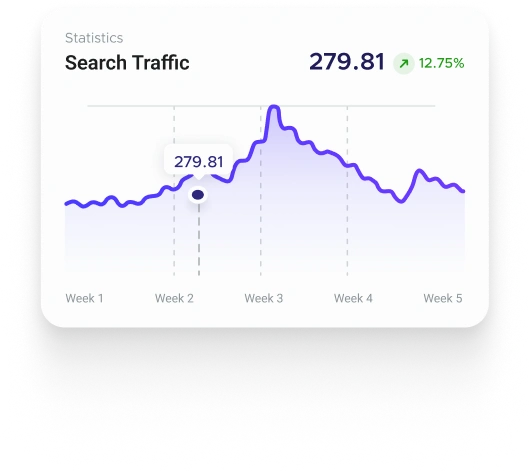
Transparent reporting showing real impact, month after month
Explore
Our Other SEO Expertise
We Consulted
More then 38+ Industries
We have
collaborated
with these companies














![BUGZOFF LOGO [Recovered] copy 1](https://genixdigital.com/wp-content/uploads/2025/12/BUGZOFF-LOGO-Recovered-copy-1.png)













- FAQ
Your
Questions
Resolved
Here!
Headings, content optimisation, internal links, meta tags, structured data, media optimisation, and user experience improvements.
Google ranks pages that clearly communicate intent, relevance, and structure. On-page SEO ensures your content is easy for algorithms and users to understand.
Structured content, semantic headings, and clear answers allow AI systems to extract your information and use it in summaries or responses.
Content writing creates the message. On-page SEO structures, optimises and enhances it for search performance.
The implementation timeline depends on the size of the website, the number of pages being optimised, the condition of the existing content and the complexity of the required changes. Smaller websites may be completed in stages within a few weeks, while larger websites usually require a phased rollout.
After the initial audit, we prioritise the pages with the greatest commercial and SEO value and provide a clear implementation plan. Ranking and traffic improvements may take longer to appear because search engines still need to recrawl and reassess the updated pages.
Yes, most content underperforms without proper structure, internal links, keyword targeting, and metadata optimisation.
Yes, reducing media size, removing unnecessary code, and improving layout can significantly boost load times.
They help you appear in featured snippets, People Also Ask results, and AI-generated responses.
Absolutely. Google ranks mobile usability as a major factor for both desktop and mobile results.
It builds a strong foundation, but off-page SEO and technical SEO are also critical for top rankings.
Every 3–6 months or whenever you add new content, services or product categories.
Yes, clearer structure and better user flow significantly improve engagement and enquiry rates.
On-Page SEO Services That Give Every Priority Page a Clear Job
On-page SEO should make it obvious why a page exists, which search it should serve and what the visitor should do after finding it. A page can have the right keyword in the title and still underperform because it mixes several offers, answers the wrong question, hides essential proof or sends users to a generic next step.
For Genix Digital, on-page SEO is not a checklist applied across every URL. It is a page-by-page decision process. The work starts by identifying whether a page should win a service enquiry, support a comparison, explain a complex requirement, qualify a lead or move a visitor towards another priority page.
Page signal | Likely on-page issue | Genix response |
The page ranks but produces weak enquiries | Search intent and commercial message do not match | Rework the offer, proof and conversion route |
Multiple pages rank for similar terms | No single page owns the topic | Consolidate, differentiate or redirect overlapping content |
Users visit but leave quickly | The answer is buried or the page opens with generic copy | Restructure the page around the customer’s actual decision |
Sales repeatedly explains the same basics | The page lacks decision-stage detail | Add scope, constraints, comparisons or proof where needed |
Decide What the Page Must Resolve
A service page does not need to answer every question about the business. It needs to answer the questions that stop the right person from progressing.
That can include:
- what the service covers and what sits outside the scope
- who the service is designed for and when another solution may be more suitable
- the factors that affect cost, timing, complexity or expected outcome
- the evidence a buyer needs before requesting a quote or consultation
- the exact next action and what happens after the form, call or booking
This is how Genix prevents priority pages from becoming long, unfocused content blocks. The goal is not more information. It is enough clarity for the right visitor to make the next sensible decision.
Build Internal Links Around the Next Question
Internal links should not be added simply because a related page exists. They should appear when the current page has answered its own job and the visitor needs a different type of information to continue.
For example, a core service page may need to send a comparison-stage user to a deeper guide. A guide may need to return a ready-to-act reader to the relevant service page. A location page may need to point to a service-specific route rather than repeat the full offer again.
Before adding links, Genix should confirm:
- what question the current page has already resolved
- what question the destination page resolves next
- whether the anchor text describes the actual value of the destination
- whether the linked page supports the same customer journey rather than distracting from it
This creates a usable pathway for visitors and gives search engines a clearer relationship between priority pages.
On-Page SEO Should Expose the Real Constraint
Not every weak page needs a rewrite. Some pages are commercially clear but technically limited. Others have the correct structure but lack credible examples, expert input or useful supporting content. On-page SEO should identify the actual constraint before recommending work.
Separate Content Problems From Technical Problems
A page may need technical SEO when search engines cannot reliably crawl, render, index or understand key elements of the page. That is not an on-page copy issue.
A page may need stronger written material when the customer cannot assess the offer because the page lacks evidence, decision criteria or subject-matter depth. In that case, written content marketing can help create the resource, case context or practical explanation the page genuinely needs.
The distinction matters because rewriting a page will not fix an indexing problem, and adding schema or metadata will not solve a vague commercial message.
Review Pages by Customer Progress
The useful question is not simply whether a page gained rankings. It is whether the page now helps the right audience continue.
Genix should review:
- which query themes lead users to the page
- whether visitors continue to the intended service, proof or contact route
- where users hesitate, return to search or exit before taking action
- which pages create qualified enquiries versus irrelevant traffic
- whether the page now has a clear role within the wider site structure
On-page SEO services create value when each priority page becomes easier to understand, easier to navigate and more useful at the exact point where a customer is deciding what to do next.