Most business websites make the same mistake. They write copy for Google first and customers second, or they write for customers and forget Google entirely. Either way, the result is the same: visitors land on the page and leave without taking action.
Effective website copywriting that actually works does both jobs at once. It ranks in search engines and persuades real people to click, enquire, or buy. This website copywriting guide breaks down exactly how to write website copy that satisfies search intent, reads naturally, and converts visitors into leads, section by section, page by page.
Need a website that’s built to convert from day one? Explore Genix Digital’s website design and development services, or learn how to choose a web design agency in Australia before you decide.
Why Copywriting and SEO Aren’t Separate Jobs
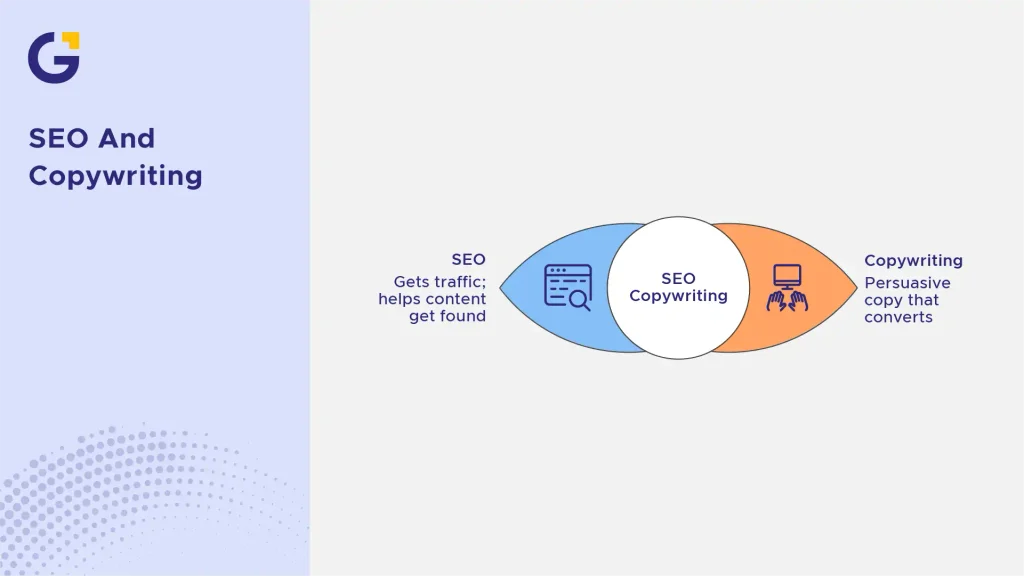
For years, businesses treated SEO and copywriting as two different tasks. One team stuffed keywords into pages. Another team wrote “nice” copy with no structure or search value. Neither approach works anymore.
Google’s algorithms now reward content that satisfies user intent, reads naturally, and keeps people engaged. That means your website copywriting has to serve two masters simultaneously: the search engine’s crawlers and the human reading the screen. To make the most of your traffic, implementing a strong internal linking strategy for service-based websites ensures your search visibility directly feeds your sales pipeline.
Example Case: A Sydney-based plumbing company rewrote its service pages to answer specific customer questions (“how much does a blocked drain repair cost in Sydney?”) instead of generic keyword phrases. Rankings improved within three months, and so did enquiry form submissions because the copy was actually useful to real visitors.
- SEO without persuasive copy gets traffic that doesn’t convert.
- Persuasive copy without SEO never gets found in the first place.
- Combining strategic SEO copywriting tips with clear user navigation will increase website conversions over time.
Understanding Search Intent Before You Write
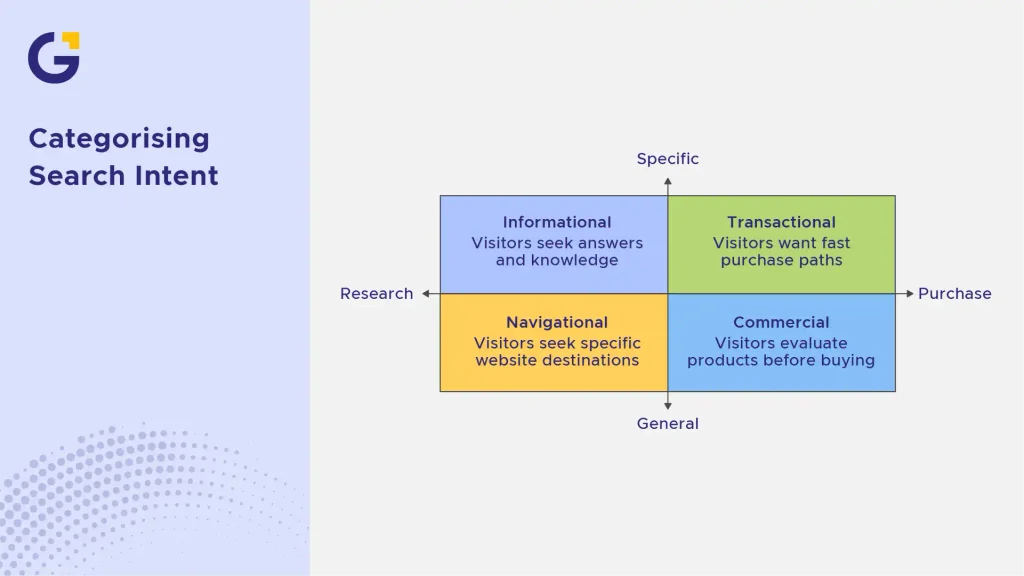
Before writing a single word, you need to know why someone is searching. Search intent generally falls into four categories: informational, navigational, commercial, and transactional.
Writing copywriting that converts means matching your content to that intent. A visitor searching “best CRM software” wants comparisons, not a hard sell. A visitor searching “buy CRM software Australia” is ready to purchase and wants pricing, trust signals, and a clear CTA. Understanding these nuances is essential when planning website content before design to ensure your messaging lands effectively.
Example Case: A SaaS company noticed its pricing page had high traffic but low conversions. After reviewing keyword data, they found most visitors were still in the research phase. Adding an FAQ section and comparison table above the pricing table increased time on page and conversions by addressing informational intent first.
- Informational intent: visitors want answers, not sales pitches.
- Transactional intent: visitors want pricing, proof, and a fast path to action.
Structuring Copy for Skimmability and Readability
Nobody reads a website top to bottom like a novel. Visitors scan. If your copy is a wall of text, they’ll bounce before finding your value proposition. Adhering to readability and web accessibility guidelines ensures all visitors, regardless of device or ability, can engage with your message effortlessly.
Good website copywriting uses short paragraphs, descriptive subheadings, bullet points, and bold key phrases. Each section should be skimmable in under five seconds and still communicate the core message. This is why understanding UI/UX for B2B businesses is so critical when structuring layouts for maximum engagement.
Example Case: An e-commerce brand restructured its product pages, breaking a 300-word paragraph into three short sections with headers like “Why It Works,” “What’s Included,” and “Who It’s For.” Average session duration increased, and cart abandonment dropped.
- Keep paragraphs to 2–3 lines maximum.
- Use subheadings every 100–150 words to guide the eye.
Writing Headlines and CTAs That Convert
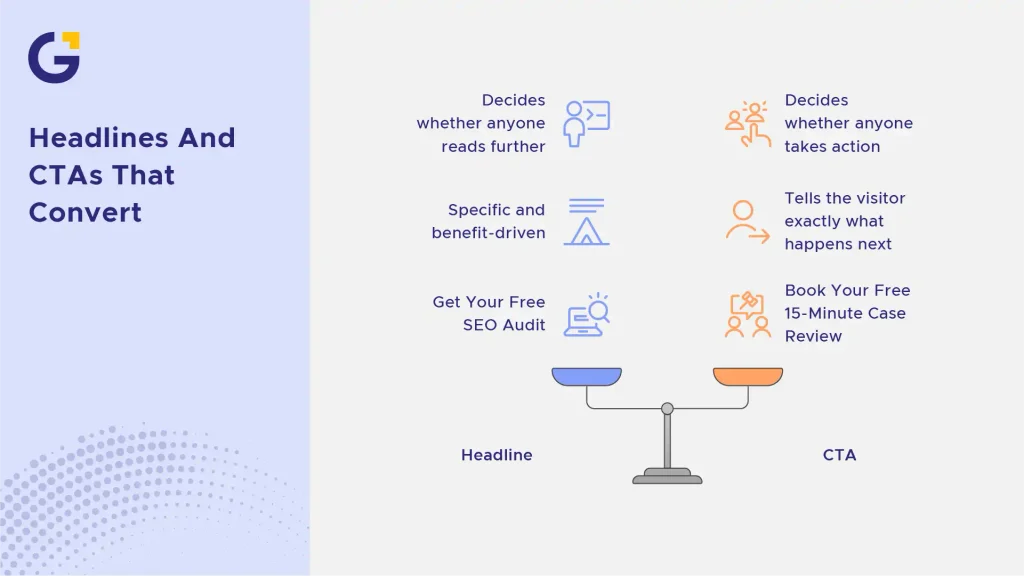
Your headline decides whether anyone reads further. Your CTA decides whether anyone takes action. Both deserve far more attention than most businesses give them. Legendary advertiser David Ogilvy famously noted that five times as many people read the headline as read the body copy, making your headline the single most important element on the page.
Strong headlines are specific and benefit-driven rather than vague or clever. Strong CTAs tell the visitor exactly what happens next: “Get Your Free SEO Audit” works better than “Submit.” If you want to get more leads from website visitors, focusing on headline specificity and clear value propositions is paramount.
Example Case: A legal firm changed its homepage CTA from “Contact Us” to “Book Your Free 15-Minute Case Review.” Click-through rate on the button increased noticeably because the CTA set a clear, low-risk expectation.
- Use action verbs: Get, Start, Book, Claim, Download.
- Pair CTAs with a reason to act now (free, limited, fast).
Balancing Keywords With Natural Language
Keyword density used to be a primary ranking factor. Today, Google’s advanced search algorithms prioritise natural language, contextual intent, and topical relevance over exact-match repetition. That doesn’t mean keywords don’t matter; it means how you use them matters more.
The goal is SEO content writing tips that integrate primary keywords organically into headers, opening sentences, and meta tags without compromising readability. When you improve website content by focusing on natural phrasing, topic depth, and semantic variations, both search engines and human readers engage far more effectively. Failing to strike this balance is often why your service page is losing you local clients to competitors whose messaging sounds more natural and trustworthy.
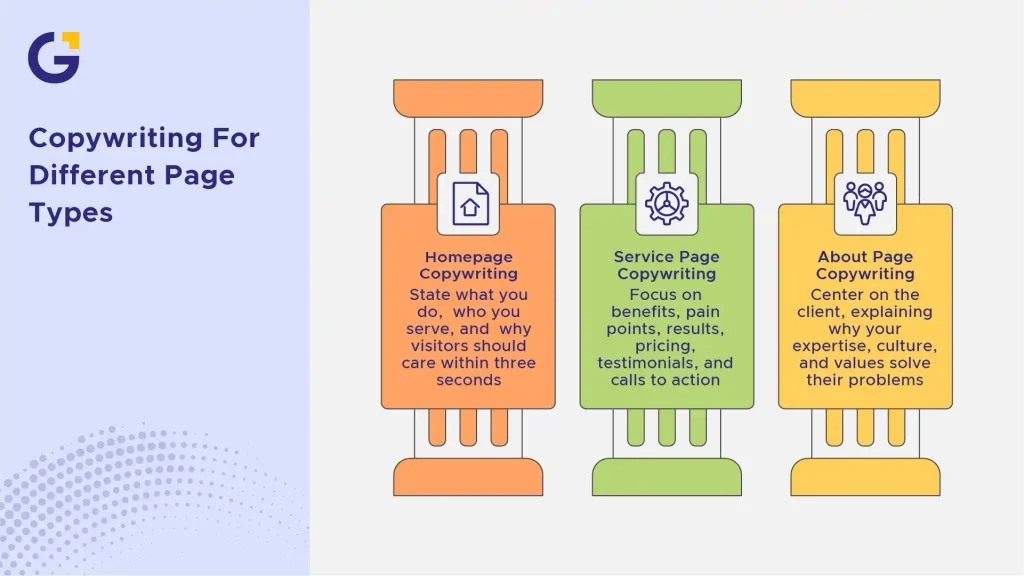
Copywriting for Different Page Types
Every page on your website serves a unique purpose in the customer journey. Applying a blanket copywriting approach across every page weakens your conversion rate. Tailoring your copy to match the specific expectations of each page type ensures visitors receive the right information at the right time.
Homepage Copywriting
Your homepage is your virtual front door. Its primary job is to clearly state what you do, who you serve, and why visitors should care within three seconds of landing. Keep your hero section headline bold and clear, back it up with immediate social proof, and provide direct pathways to your core services.
Service Page Copywriting
Service pages exist to drive commercial action. Instead of listing generic features, focus heavily on benefits, customer pain points, and concrete results. Integrating clear pricing structures, client testimonials, and compelling calls to action turns passive readers into active enquiries. If you run paid campaigns, following a strict Google Ads landing page checklist ensures your service page copy directly aligns with your ad copy.
About Page Copywriting
Many businesses mistake their About Page for a corporate history lesson. In reality, your About Page should be centred on the client, explaining why your expertise, team culture, and values make you the best choice to solve their problems.
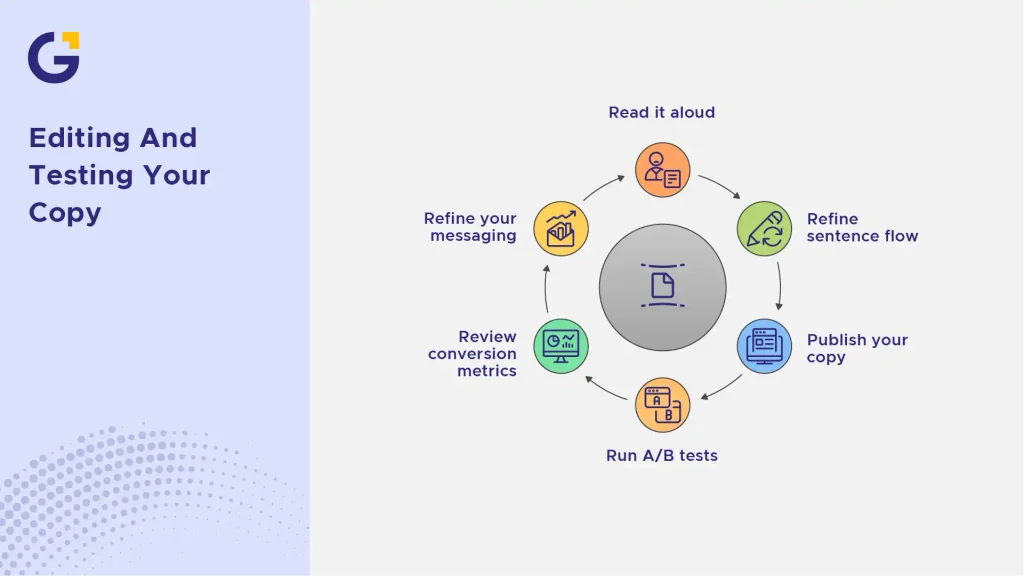
Editing and Testing Your Copy
Writing great copy is only half the battle; refining it through editing and performance tracking completes the process. Once your first draft is down, read it aloud to strip away corporate jargon, overly complex sentences, and fluff. Tools like Grammarly or readability analysers can help refine your sentence flow.
After publishing, treat your copy as an evolving asset. Run A/B tests on headlines, CTA button text, and hero copy using web analytics tools. By reviewing conversion metrics regularly, you can continuously refine your messaging to maximise enquiries and revenue.
Ready to transform your website copy into a lead-generation machine? Discover how our team at Genix Digital delivers data-backed content marketing services, bespoke SEO services, and strategic copywriting services to grow your business.
FAQ
1. What’s the difference between SEO writing and copywriting?
SEO writing focuses on optimising content with keywords and structure so search engines can rank the page. Copywriting focuses on persuasive writing designed to drive a specific user action (such as filling out a form or buying a product). High-converting website copywriting combines both disciplines to drive organic traffic and convert those visitors into customers.
2. How long should website copy be?
There is no single “ideal” length for website copy. The length should depend on user intent and the complexity of your offering. Simple service offerings may only need 500 words, while complex B2B solutions or high-ticket items may require 1,500+ words to answer all customer questions and establish trust.
3. Does keyword stuffing hurt rankings?
Yes. Unnaturally cramming keywords into your text harms readability and triggers search engine penalties under Google’s spam policies. Modern search algorithms evaluate content based on topical relevance and natural language quality, making keyword stuffing completely counterproductive.
4. How do I write a good call to action?
A compelling CTA uses clear action verbs, emphasises value or low risk, and tells the user exactly what to expect next. Instead of generic phrases like “Click Here” or “Submit,” use benefit-driven text like “Get Your Free Quote in 60 Seconds” or “Schedule Your Strategy Call.”





 26 Aug 2026
 8 Min Read