
Choosing the wrong digital partner can cost your business thousands of dollars, months of wasted time, and a site that fails to generate leads. Learning how to choose a web design agency that consistently delivers results is one of the most critical decisions Australian business owners make when scaling their online presence.
Slick portfolios and polished sales pitches often mask a lack of technical depth. Asking structured questions about development processes, ongoing support, and contract terms protects your investment before signing a deposit.
Why Choosing the Right Agency Matters
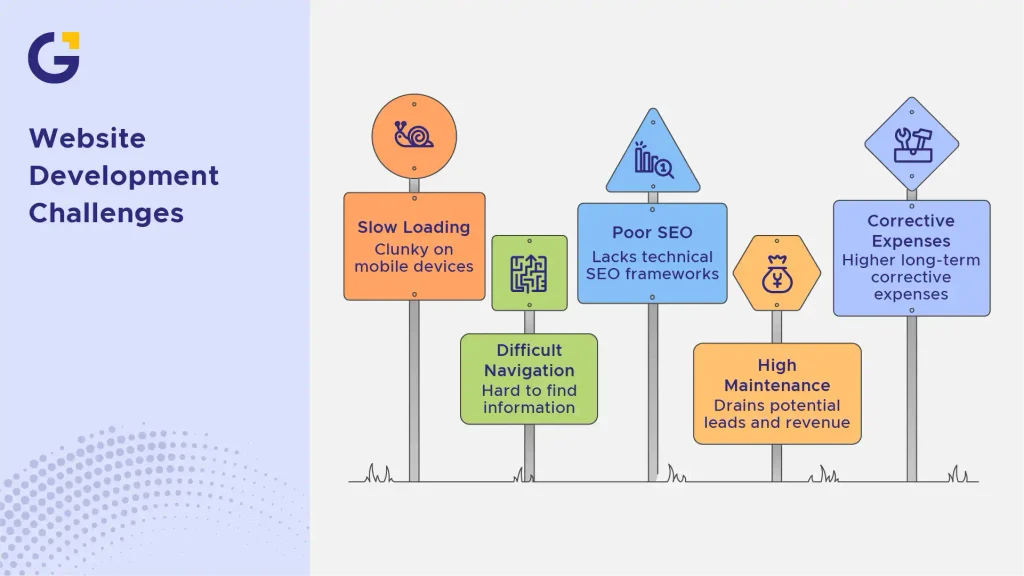
Your website functions as your primary 24/7 sales representative. A poorly structured site slow to load, clunky on mobile devices, or difficult to navigate actively redirects potential clients toward your competitors.
Beyond visual appeal, selecting a reliable website developer directly influences your search engine rankings, conversion rates, and long-term maintenance costs. To understand realistic budget baselines across the domestic market, review our comprehensive analysis on How Much Does a Website Cost in Australia in 2026? Before finalising vendor proposals.
Example Case: A Melbourne physiotherapy clinic hired a discount freelancer, only to discover six months later that the platform lacked basic technical SEO frameworks. Remediating the site required engaging a professional team at nearly double the initial budget to rebuild the core architecture properly.
- A poorly architected site drains potential leads and revenue for years.
- Selecting the cheapest initial quote frequently leads to higher long-term corrective expenses.
Question 1: What Is Your Design and Development Process?
A reputable Australian web design agency should clearly articulate their workflow from initial discovery through to post-launch deployment. Vague answers regarding project milestones indicate a lack of structured quality control.
Inquire directly about research sessions, wireframing, prototype testing, content integration, and quality assurance. Agencies specialising in high-converting UI/UX design follow structured user journeys rather than building templates ad-hoc.
Example Case: A Sydney retailer asked this exact question during preliminary agency interviews. The winning agency provided a detailed five-stage project roadmap with clear deliverables, making vendor selection straightforward compared to competitors offering ambiguous timelines.
- Prioritise agencies that demonstrate a documented, repeatable build methodology.
- Avoid teams that manage custom development without formalised wireframes and testing protocols.
Question 2: Can I See Examples of Your Previous Work?
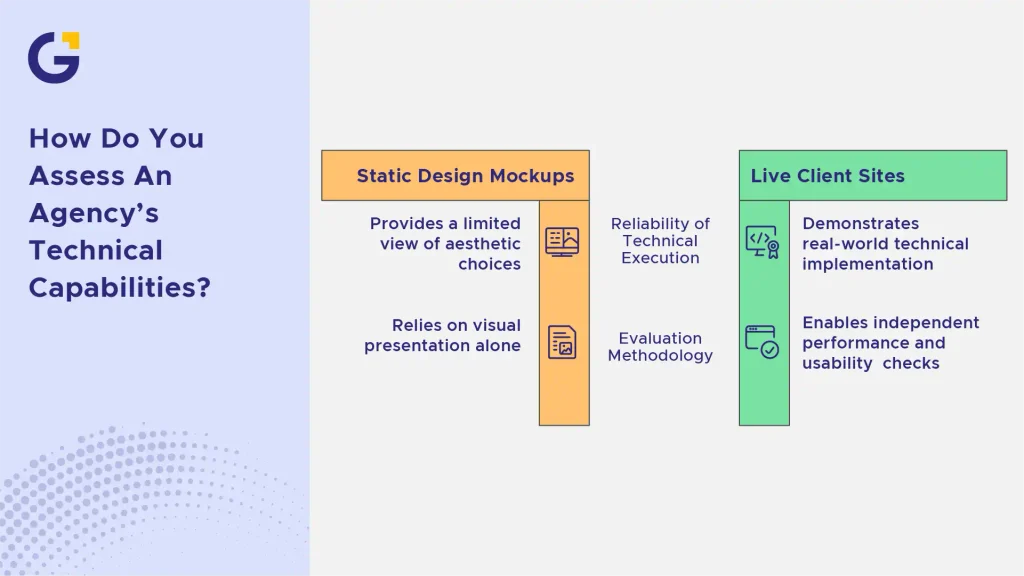
A portfolio demonstrates actual technical execution far better than a proposal deck. Request live project links within your industry or sector, rather than relying solely on static design mockups.
When reviewing live client sites, evaluate functional elements directly: test page loading speeds, assess mobile responsiveness, and analyse navigation clarity. Reviewing our guide on What makes a good website in 2025 and beyond? offers clear benchmarks for evaluating external work.
Example Case: A Brisbane café owner requested three live client URLs and tested their performance on a mobile device. Discovering slow loading speeds on mobile networks ruled one agency out immediately, saving her business from launching a sluggish site.
- Request 3–5 active client site links rather than static image showcases.
- Perform independent speed and mobile usability checks across live client projects.
Question 3: Do You Offer SEO and Digital Marketing Support?
An aesthetically pleasing website yields minimal business value if prospective clients cannot locate it via search. Determining how to choose a web design agency requires verifying whether they embed technical SEO practices into the site architecture during the build stage.
Official developer guidelines from Google Search Central emphasise that page experience signals, including Core Web Vitals, mobile-friendliness, and clean code structures, directly influence organic search rankings. Integrating comprehensive SEO and digital marketing support during development prevents costly structural overhauls later.
Example Case: A Perth trades business selected an agency that integrated technical on-page SEO, including optimised meta tags, structured schema, and image compression into the core build. Within ninety days of launch, the business secured first-page rankings for primary local search terms without supplementary ad spend.
Question 4: What Is Included in the Price?
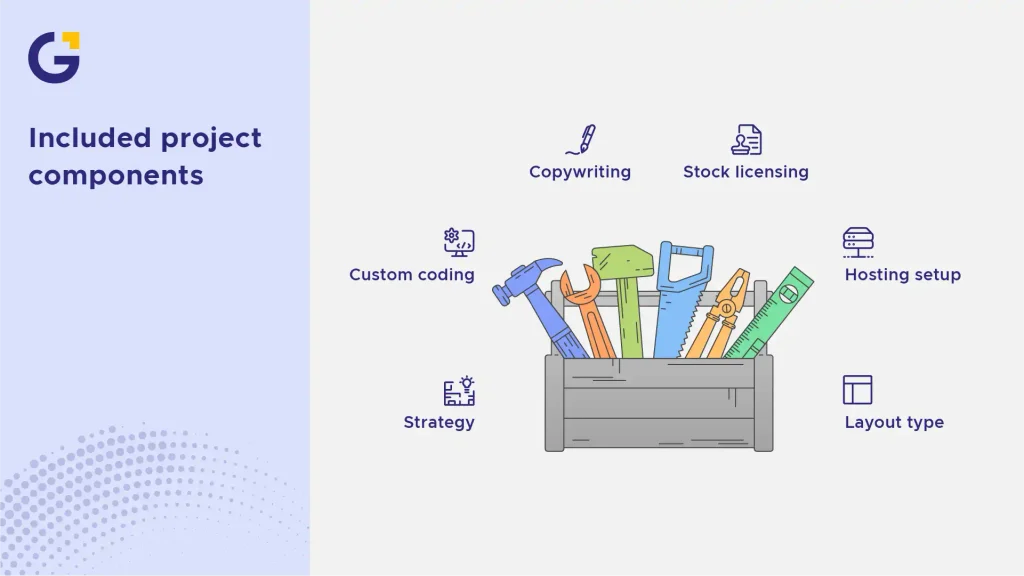
Clear commercial transparency differentiates dependable agencies from risky contractors. Always request an itemised breakdown specifying whether strategy, custom coding, copywriting, stock licensing, and hosting setup are included.
Additionally, clarify whether the build utilises a custom layout or a pre-built theme. Evaluating a Custom Website vs Template Website: Which Is Better for an Australian Business? Helps clarify why pricing varies significantly between agency quotes.
Example Case: An Adelaide business owner signed a development agreement assuming web hosting setup was covered, only to receive unexpected post-launch invoices for server migration. Asking detailed questions upfront prevents commercial misunderstandings.
Question 5: Who Will I Be Working With?
Certain digital providers outsource core design or engineering overseas without disclosing it to clients, frequently leading to communication barriers, delayed feedback loops, and inconsistent code quality.
Ask directly whether your primary point of contact is an Australian-based project manager and whether design and development are handled in-house. Having direct access to an experienced Australian team, ensuring questions to ask a web designer are answered promptly, makes a substantial difference to project delivery.
Example Case: A Gold Coast clinic specifically inquired about team location during vendor discussions. Confirming an in-house Australian development team handled the project gave the client confidence that communication would remain seamless throughout the build.
Question 6: What Happens After the Website Launches?
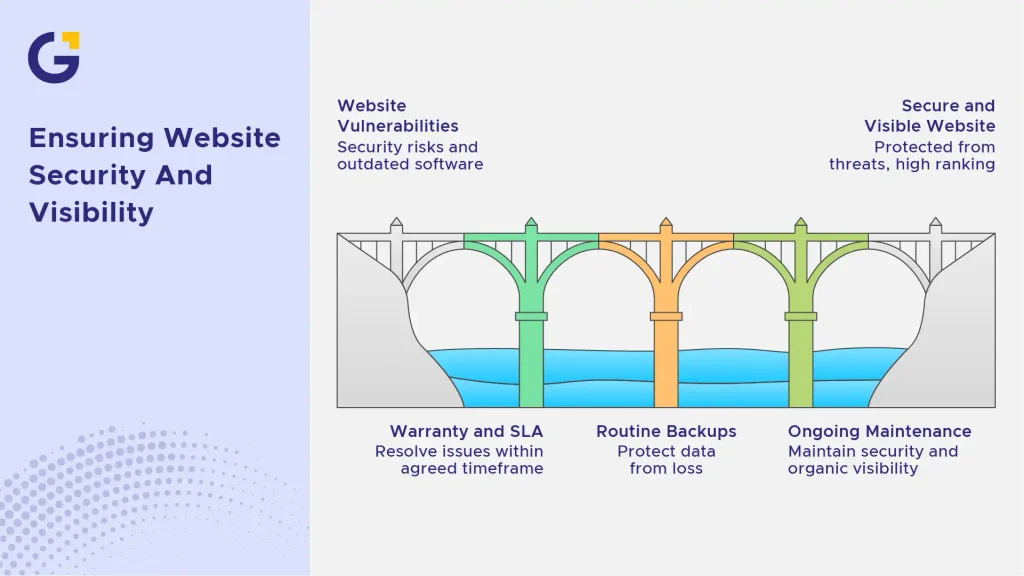
A website requires continuous maintenance, security patching, and software updates to perform securely over time. Inquiring about post-launch support reveals whether an agency offers long-term partnership or treats projects as one-off transactions.
Ask about post-launch warranty periods, level-one technical support SLAs, and routine backup schedules. Agencies offering ongoing technical maintenance and content creation help maintain site security and organic visibility as search engines update algorithms.
Example Case: A Sydney B2B supplier experienced a major plugin conflict three weeks after launching their new platform. Because their contract included a 60-day post-launch warranty and SLA support, the agency resolved the issue within two hours without additional service charges.
Question 7: What Is Your Typical Project Timeline?
Understanding project milestones prevents internal operational delays. Request a realistic timeline detailing client approval stages, content delivery deadlines, and testing windows.
Be cautious of agencies offering unrealistically fast turnaround times for complex custom builds. Rapid development often indicates skipped quality assurance stages, untested mobile layouts, or neglected SEO migration steps.
Example Case: A logistics company in Melbourne required a site launch aligned with a major product rebrand. Selecting an agency that provided a detailed project timeline with clear client sign-off gates ensured the site launched on schedule without compromising technical testing.
Red Flags to Watch Out For
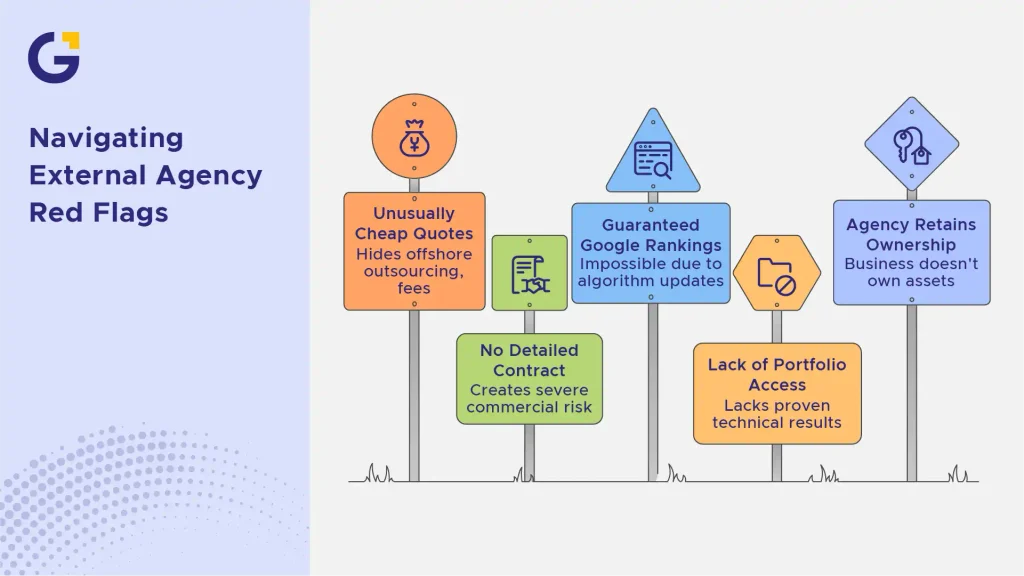
When evaluating external agencies, watch out for these warning signs before signing a service agreement:
- Unusually Cheap Fixed Quotes: Quotes falling significantly below market standards often hide offshore outsourcing, recycled templates, or hidden post-launch fees.
- No Detailed Contract or Scope of Work: Proceeding without a formal legal agreement defining intellectual property ownership, revisions, and milestone payments creates severe commercial risk under Australian Consumer Law (ACCC).
- Guaranteed #1 Google Rankings: No legitimate agency can guarantee exact organic search positions due to continuous algorithm updates.
- Lack of Direct Portfolio Access: Agencies hesitant to share live client URLs or client references usually lack proven technical results.
- Ownership Retained by Agency: Ensure your contract explicitly states that your business owns all website code, design assets, and content upon final payment.
How to Choose a Web Design Agency: Final Checklist
Learning how to choose a web design agency comes down to asking direct questions and thoroughly vetting technical competence before transferring a deposit.
By evaluating processes, requesting live portfolio URLs, confirming SEO integration, and enforcing contract transparency, you protect your digital investment. Partnering with a transparent Australian web design agency ensures your website serves as a profitable, scalable asset for years to come.
How Genix Digital Meets and Exceeds These Standards
Choosing a web design partner doesn’t have to feel like a gamble. At Genix Digital, we built our agency model around the exact transparent practices outlined in this guide. Working directly with a dedicated Australian team, you get a structured development roadmap that guarantees on-time delivery, full code ownership, and technical SEO baked in from day one.
We focus on getting the fundamentals right: clean code, sharp UX, and built-in SEO that brings in actual leads. Check out how we approach web development or get in touch with our team to map out your next steps.
FAQs
1. How much does a web design agency cost in Australia?
Prices vary based on project complexity, ranging from $3,000 to $8,000 for small business sites, up to $15,000 to $50,000+ for custom enterprise platforms or complex e-commerce builds.
2. What is the difference between a web design agency and a freelancer?
Agencies provide a multi-disciplinary team including UX designers, developers, copywriters, and SEO specialists, offering broader expertise and project redundancy compared to a single freelancer.
3. How long does it typically take an agency to build a website?
A standard business website usually takes between 6 to 12 weeks from initial discovery through to launch, depending on feedback turnaround times and custom functionality requirements.
4. Should my website design quote include SEO?
Basic technical SEO such as mobile responsiveness, site speed optimisation, clean URL structures, and meta tags should always be included in a modern professional website build.
5. Who owns the website once it is completed?
Your business should hold 100% full legal ownership of the domain, design, code, and content once all final invoices under the development agreement are settled.
6. What questions should I ask before hiring a web designer?
Ask about their development process, live client portfolio examples, in-house versus offshore team setup, ongoing technical support, and full cost breakdowns before signing a contract.



 27 Jul 2026
 8 Min Read