You’ve spent weeks writing a blog post, finally cracked page one, and yet a competitor’s thin, 300-word article sits above you in a shaded box answering the exact question your content covers in more depth. That box is a featured snippet, and it’s stealing the high-intent clicks you worked so hard to earn.
Featured snippets occupy “position zero,” the coveted spot above the first organic result. In 2026, with AI Overviews reshaping search results, snippets haven’t disappeared; they’ve become more competitive and far more valuable for brands seeking top-of-page visibility. This guide breaks down exactly how Google selects snippet content, the four snippet formats you need to target, and the step-by-step formatting tactics that help your content earn that top spot.
Looking to capture top search rankings? Not sure if your content is snippet-ready? Genix Digital can audit your site’s snippet opportunities. Explore our SEO, blogging and written content services to see how we can transform your organic reach.
What Are Featured Snippets and Why They Still Matter in 2026
A featured snippet is a highlighted answer box that appears above standard organic search results, extracted directly from a ranking webpage. Google pulls a short answer, list, table, or video to give users an instant response without requiring an immediate click-through.
Despite early industry predictions that AI Overviews would render traditional featured snippets obsolete, they remain a foundational SERP feature. In fact, search experts like Danny Sullivan from Google’s Search Relations team have continuously emphasised that structured, concise answers remain essential for training and populating instant search responses. Snippets often feed directly into AI-generated summaries, meaning winning position zero significantly increases your chances of being cited as a primary source by Google’s AI models. If you want to understand how these evolving search technologies intersect, read our complete guide on SEO, AEO, GEO: The New Era of Search in 2026 and Beyond.
Real-World Example
A B2B software company noticed their “what is agile methodology” guide was hovering at rank #4. After restructuring their introductory paragraph to answer the query directly in 45 words, they captured the snippet within three weeks. This single change resulted in a 22% boost in organic click-through rate without changing their overall ranking position.
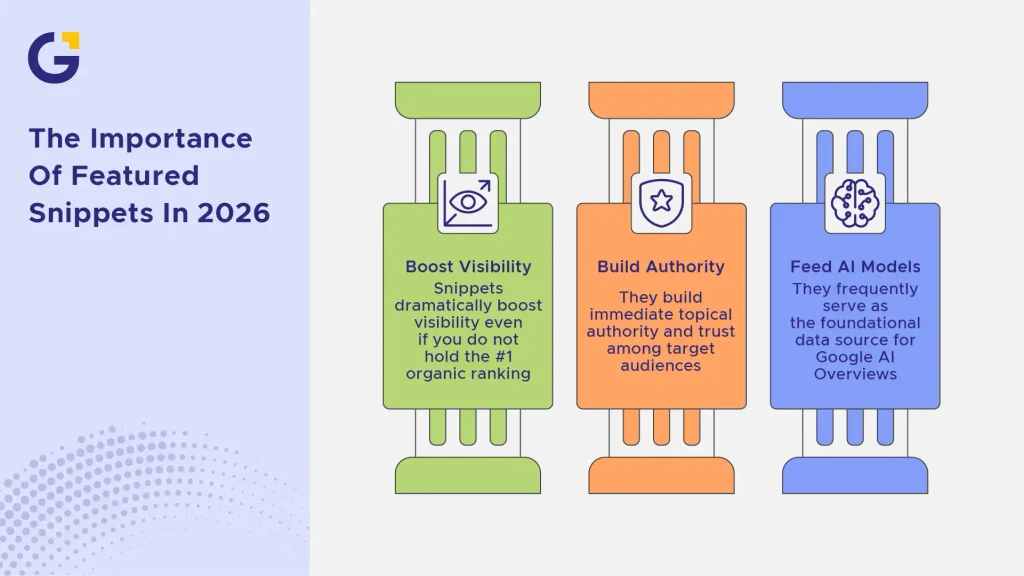
- Snippets dramatically boost visibility even if you don’t hold the #1 organic ranking.
- They build immediate topical authority and trust among target audiences.
- They frequently serve as the foundational data source for Google AI Overviews.
The Four Snippet Types
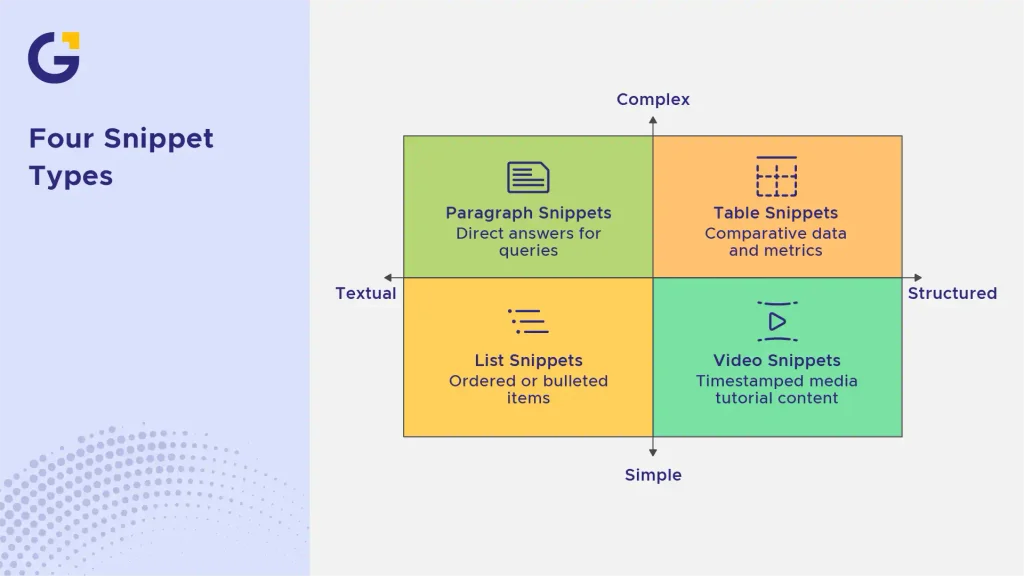
Google displays featured snippets in four distinct formats depending on search intent. Understanding which format matches your primary keyword is the crucial first step toward effective optimisation.
Paragraph Snippets
Paragraph snippets are the most dominant format, typically answering “what is,” “why,” or “how” queries in 40 to 60 words. Google extracts this concise paragraph from a well-structured section on your page. These function best when your answer is direct, factual, and placed immediately below a matching H2 or H3 heading.
List Snippets
List snippets appear for queries involving step-by-step processes, rankings, or ordered items. Google displays these as numbered or bulleted lists extracted from your HTML structure. Using proper <ol> or <ul> list tags — rather than simple dash-separated text — vastly improves your eligibility to win this format.
Table Snippets
Table snippets present structured, comparative data such as pricing structures, specifications, or numerical data. Google strongly favours clear, native table markup over static images or manual text alignment.
If your target query compares metrics or dates, a clean comparative table provides the fastest route to position zero. For e-commerce brands comparing platforms or pricing, see our analysis on Shopify vs WooCommerce for Australian businesses to observe structured comparisons in action.
Video Snippets
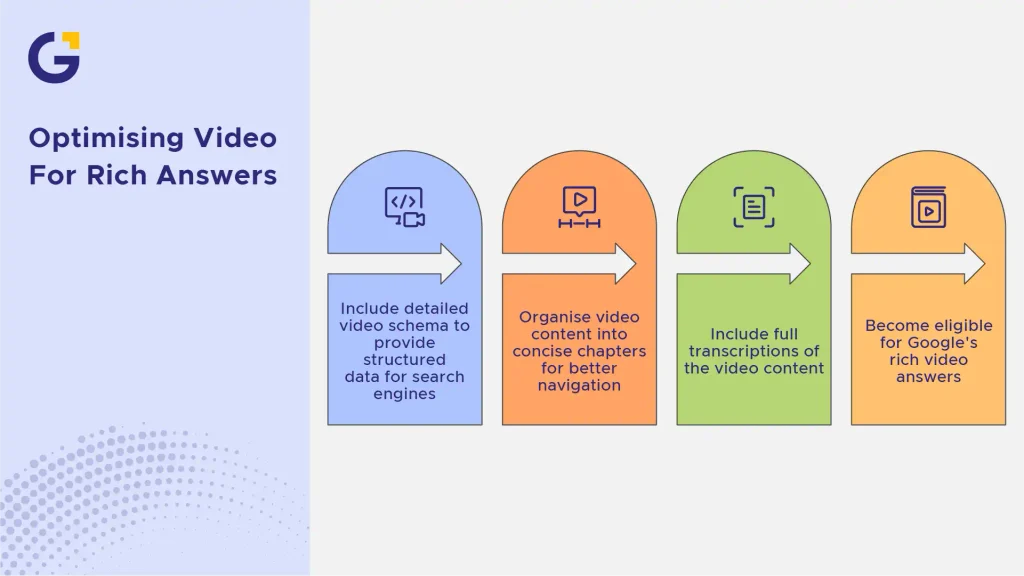
Video snippets highlight timestamped clips from YouTube or embedded site video content, primarily for tutorial queries. Adding detailed video schema, concise chapters, and transcriptions makes your media content eligible for Google’s rich video answers. Learn more in our video content marketing service.
How Google Chooses Featured Snippet Content
Google’s algorithm evaluates content for snippets based on relevance, structural clarity, and existing authority. While pages ranking anywhere on page one can technically win, research from Ahrefs shows that over 99% of featured snippets are drawn from pages already ranking in the top 10.
To qualify, your page must demonstrate impeccable structure, schema readiness, and strong technical foundations. Pages with fast loading speeds, solid mobile user experience, and verified E-E-A-T signals (Experience, Expertise, Authoritativeness, and Trustworthiness) hold a major advantage. If technical flaws are holding your site back, review our checklist on why your service pages are not staying indexed to fix crawlability issues.
Step-by-Step: Formatting Content to Win Snippets
Winning position zero requires a deliberate approach to page formatting and copywriting. Follow these proven tactics to make your content irresistible to Google’s parser:
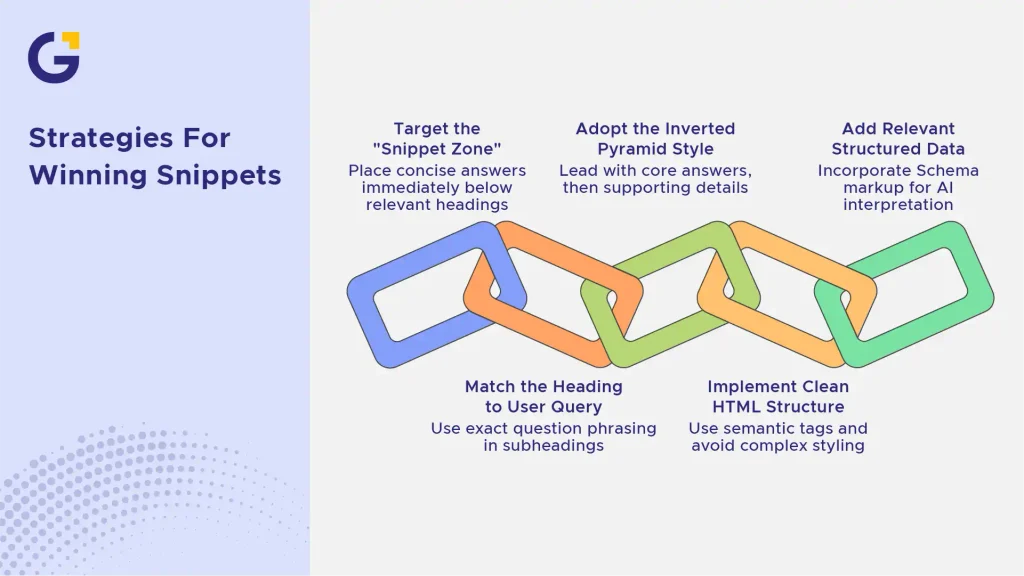
- Target the “Snippet Zone” Directly: Place your concise answer (40–60 words) immediately beneath the H2 or H3 heading that contains your target keyword.
- Match the Heading to User Query: Use exact question phrasing in your subheadings (e.g., “What is Position Zero SEO?”).
- Adopt the Inverted Pyramid Style: Lead with the core answer or definition first, followed by supporting context, data, and detailed explanations.
- Implement Clean HTML Structure: Use semantic tags (<h2>, ###, <p>, <ul>, <ol>, <table>). Avoid using complex layout builders or JavaScript styling that obscure raw text tags.
- Add Relevant Structured Data: Incorporate Schema markup for AI search to help Google interpret entities and factual relationships across your content.
Using “People Also Ask” to Find Snippet Opportunities
The “People Also Ask” (PAA) box on Google SERPs is a goldmine for uncovering related snippet targets. Every PAA question represents a live featured snippet opportunity that you can capture within a single piece of comprehensive content.
- Expand PAA Questions: Click on relevant questions in Google search results to uncover secondary questions and content formats Google currently prefers.
- Group Query Clusters: Group 3 to 5 closely related PAA questions into a single long-form article using targeted subheadings.
- Integrate LSI and Related Keywords: Naturally incorporate secondary keywords like zero-click search, answer box, and rich results throughout your answers.
- Conduct Competitor Content Audits: Identify queries where competitors hold position zero with outdated or poorly structured answers, then rewrite your section to be sharper and clearer. Discover more ways to scale your workflow with our guide to AI-powered content marketing strategies.
Tools to Track Your Featured Snippet Rankings
Monitoring position zero volatile rankings requires specialised tools that track SERP feature changes in real time:
| Tool Name | Key Snippet Feature | Best Used For |
| SEMrush | Position Tracking & SERP Feature Filter | Identifying lost and won snippet opportunities |
| Ahrefs | Organic Keywords Snippet Tagging | Uncovering competitors’ snippet vulnerabilities |
| Stat Search Analytics | Daily SERP Tracking & Localisation | Enterprise-level snippet monitoring |
| Google Search Console | CTR Performance & Impression Spikes | Identifying queries with deep impressions but low CTR |
Combining tracking tools with a robust internal linking strategy ensures authority flows efficiently to your top snippet-performing pages.
Do Featured Snippets Still Drive Traffic in the AI Overview Era?
Yes, featured snippets remain vital drivers of targeted, high-intent traffic. While zero-click searches have risen due to AI summaries, users seeking detailed solutions, product comparisons, or services still click through position zero results.
Furthermore, pages that capture featured snippets are frequently cited inside Google AI Overviews, providing dual exposure. By optimising for snippets, you simultaneously future-proof your website for AI-driven discovery engines. To ensure your entire digital funnel converts this traffic, read our guide on website conversion rate optimisation strategies.
Need Help Capturing Position Zero?
Winning position zero requires a strategic balance of technical SEO, structured markup, and high-impact copywriting. Partner with Genix Digital to refine your search strategy, explore our complete SEO services or schedule a consultation with our digital specialists today.
Frequently Asked Questions
1. What is position zero in Google?
Position zero refers to the featured snippet block displayed at the very top of Google’s search results page, above traditional #1 organic listings. It aims to provide users with direct, immediate answers.
2. Do I need to rank #1 to win a featured snippet?
No. You do not need to rank #1. However, your page generally needs to rank on the first page (top 10 results) for that query, as Google pulls snippet data almost exclusively from top-ranking URLs.
3. How long should a snippet answer be?
The ideal length for a text snippet is between 40 and 60 words (approx. 250–350 characters). For list and table snippets, keeping items concise and limited to 4–8 clear rows or bullet points works best.
4. Do featured snippets still matter with AI Overviews?
Yes. Featured snippets serve as primary data inputs for Google’s AI models. Winning position zero increases both direct search clicks and your chances of being featured as a cited source inside Google AI Overviews.



 10 Jul 2026
 6 Min Read