


Social media continues to influence how Australians discover products, compare options, and choose services. With Instagram’s feed now shaped by AI recommendations and TikTok becoming a major search hub for younger users, Australian brands face both strong competition and a strong opportunity. Many small and mid-sized businesses now treat social media as a core channel for growth, much like paid ads or search marketing.
This social media marketing guide explains how to use social platforms in 2026 with practical steps supported by data, current trends, and real examples from Australian brands.
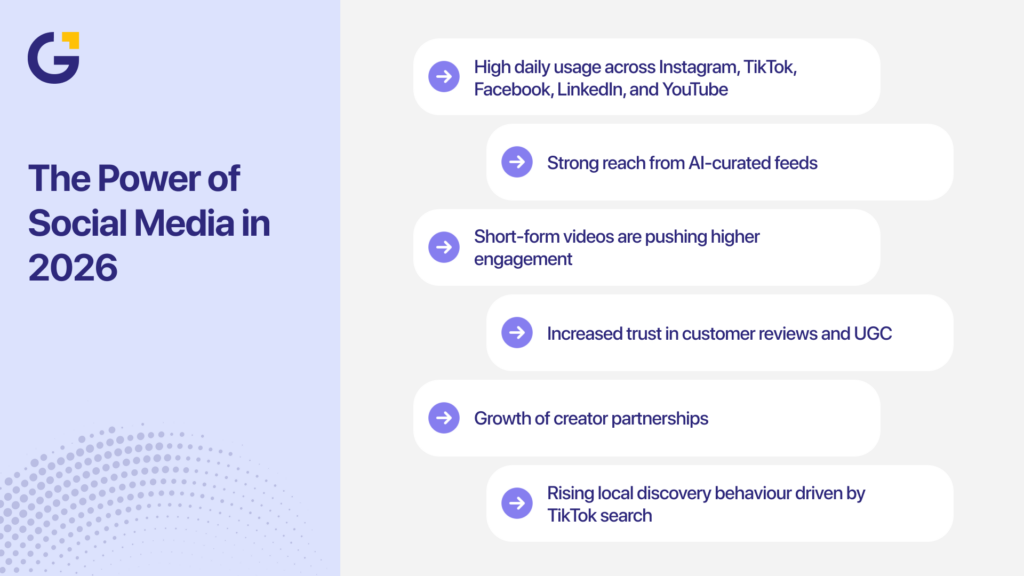
The Power of Social Media in 2026
Australian users spend hours each week watching short videos, reading reviews, and interacting with brands. Meta recently confirmed that more than half of the posts shown on Instagram now come from AI, pushing content from creators and business users who do not yet follow. This shift rewards brands that produce frequent, relevant content.
Social media plays a strong role in purchase decisions. TikTok’s influence is clear, with many Australians searching for food ideas, products, or local businesses directly inside the app. YouTube remains important for reviews and tutorials, especially for tech and home products. LinkedIn continues to grow for B2B industries.
Key reasons social media drives results in 2026:
- High daily usage across Instagram, TikTok, Facebook, LinkedIn, and YouTube
- Strong reach from AI-curated feeds
- Short-form videos are pushing higher engagement
- Increased trust in customer reviews and UGC
- Growth of creator partnerships
- Rising local discovery behaviour driven by TikTok search
Australian brands like Boost Juice, JB Hi-Fi, and Officeworks use these habits to reach millions each month.
The Evolution of Social Media Marketing
Social media has shifted from static images to short, fast-paced videos driven by algorithms. AI tools now assist with content ideas, captions, editing, scheduling, and performance analysis. Businesses rely more on sentiment analysis, competitor data, and predictive analytics to plan content.
Brands that adopt AI and short-form video content tend to see faster growth. For example, Canva uses a mix of educational videos and founder content to reach audiences across Instagram, LinkedIn, and TikTok. Australian food and retail brands now use TikTok to show behind-the-scenes moments, staff reactions, and real customer experiences.
These behaviour shifts are backed by recent data that shows how strongly Australians rely on social media. The numbers below help explain why AI-driven feeds and short-form videos continue to shape brand growth.
- 83 percent of Australians use social media daily
- 30 percent year-over-year growth in TikTok search usage
- More than half of Instagram content is selected by AI
- 68 percent of consumers trust UGC when choosing what to buy
These figures help explain why brands investing in consistent content and UGC see stronger results across platforms.
Why Businesses Can’t Afford to Ignore Social Media
Social media has replaced traditional browsing habits. People now expect fast replies through DMs and often check a brand’s social presence before they visit a store or buy online. Strong content helps businesses build trust and reach customers who did not know them previously.
For many businesses, social channels also help support customer service, appointment booking, and event promotion. Brands see stronger loyalty when they communicate with customers in real time. Businesses that stay silent often fall behind competitors that post consistently and answer questions quickly.
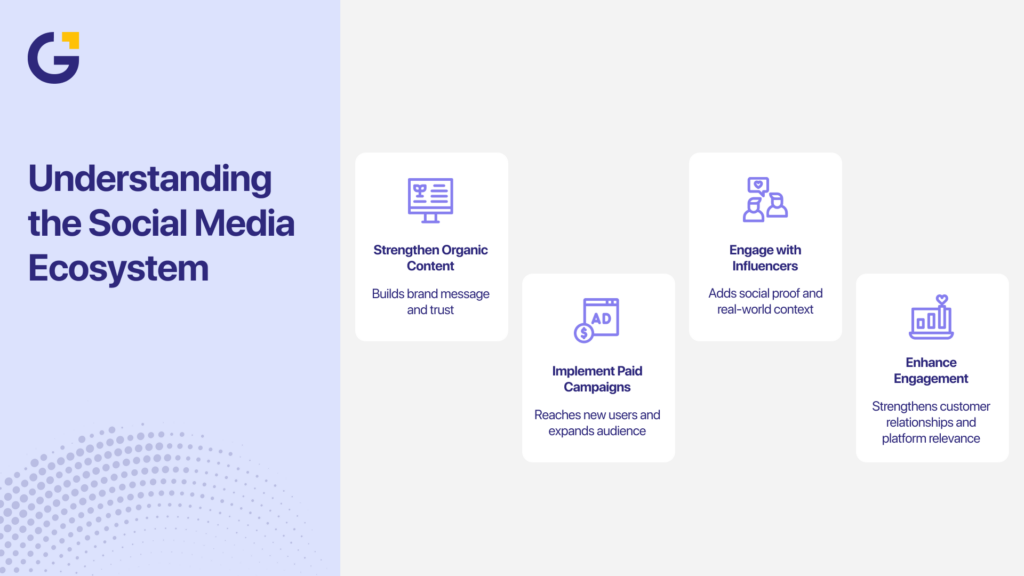
Understanding the Social Media Ecosystem
The social media ecosystem works as a cycle that links content, engagement, paid campaigns, influencers, and analytics. Each part supports the others. When one area is weak, performance drops across the entire system. When all parts work together, brands grow faster and reach people who are ready to buy.
Organic content is the base. It shapes your brand message, teaches your audience, and builds trust. Paid campaigns push this content to new users who may not find you on their own. Influencers and UGC add social proof and help people see how your product or service fits real situations. Engagement, such as replying to comments and messages, strengthens customer relationships and signals to platforms that your account is active and relevant.
A complete ecosystem includes platform selection, content creation and scheduling, creative production, daily engagement, paid promotion, and consistent reporting. These steps help businesses understand what works and adjust quickly. When teams follow this structure, they produce steady results and avoid random posting that leads to poor performance.
Choosing the Right Platforms for Your Brand
Each platform attracts a different audience, content style, and buying behaviour. A good selection method avoids wasted time and budget.
Platform fit based on business type:
- Instagram for short-form videos, product demos, visual branding, and fashion
- TikTok for trends, quick reviews, tutorials, and younger shoppers
- Facebook for parents, community groups, and local service discovery
- LinkedIn for B2B, professional insights, recruitment, and industry authority
- YouTube for deep product reviews, how-to guides, and long-form education
Australian examples include The Iconic on Instagram, Chatime on TikTok, and Canva on LinkedIn.
Crafting a Cohesive Brand Identity Across Platforms
Brand identity helps people recognise a business across platforms. Clear brand language, consistent colours, and repeatable content templates help teams produce posts faster and more accurately. Businesses that invest in brand guidelines often see better engagement because their content feels familiar and reliable.
Tone of voice is important. Some brands use friendly language. Others use professional language. The key is consistency, so customers feel they know the brand even before visiting a website or store.
Content That Converts: What Works (and What Doesn’t)
Content drives growth. The most effective posts make users stop scrolling. People want value, entertainment, and information rather than heavy sales messaging. Short videos with captions and clear ideas perform well on both Instagram and TikTok.
These approaches reflect some of the best social media marketing tips and tools Australian businesses use to increase engagement and reach.
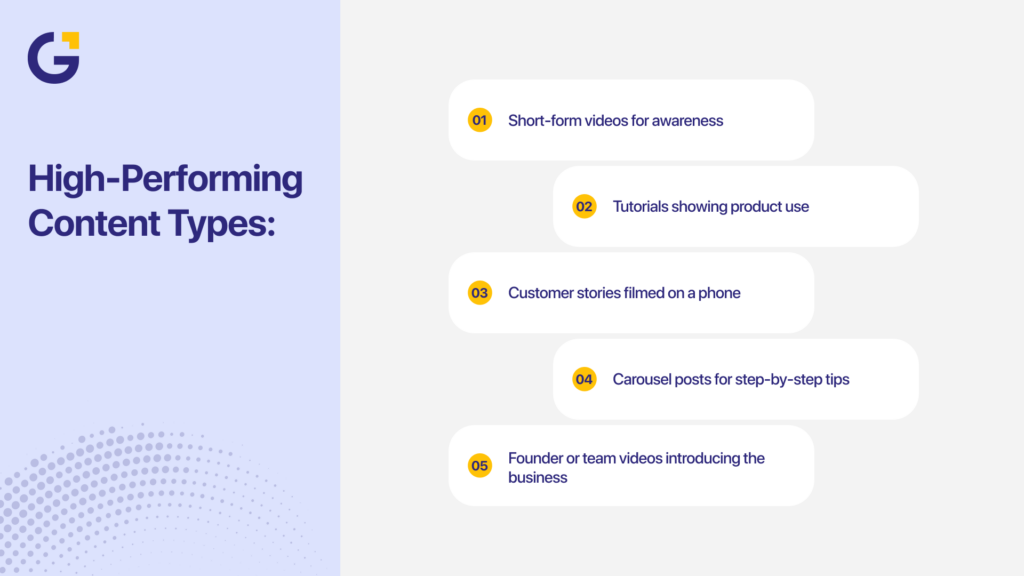
High-performing content types:
- Short-form videos for awareness
- Tutorials showing product use
- Customer stories filmed on a phone
- Carousel posts for step-by-step tips
- Founder or team videos introducing the business
Brands like Go-To Skincare and Grill’d built large audiences through simple, helpful content that fits everyday user habits.
The Role of Paid Social Media in Scaling Results
Paid social media campaigns help businesses reach users who may not see organic posts. A strong social media marketing campaign also gives brands clear targeting and makes testing faster, especially when paired with content formats that already perform well.
Popular ad formats include video ads, carousels, lead forms, retargeting ads, and catalogue-based ads for e-commerce. TikTok’s ad tools continue to grow, offering interest-based targeting and creator-led formats.
Paid social advantages:
- Targeted reach
- Flexible budgets
- Measurable results
- Quick testing options
- Strong retargeting performance
Australian brands rely on paid ads to scale awareness and sales across Australia.
Building Authentic Engagement and Community Trust
Engagement builds trust. People often message businesses on Instagram or Facebook for basic questions. Replying quickly and sharing customer posts helps people see the brand as active. Engagement also improves reach because platforms reward accounts that interact with users.
Some brands run weekly Q&A sessions or post community-style content that sparks conversation. Authenticity tends to outperform polished ads because customers want real experiences.
Leveraging Influencers and User-Generated Content
Influencers play a large role in shopping decisions. Consumers trust everyday creators more than traditional ads, especially when the content shows real use. Nano and micro-influencers offer strong engagement and are often affordable.
UGC works well across fashion, beauty, fitness, home products, and tech. UGC can appear more natural than brand-made content, making it suitable for paid ads and organic posts.
Analytics and Insights: Measuring What Matters
Analytics help teams understand what works. Strong reporting covers reach, engagement, link clicks, conversions, ROI, and time watched. Social media ROI tracking helps teams identify which content themes attract strong engagement and which posts lead to website visits, leads, or sales.
Businesses often track monthly performance to see improvements and plan new content ideas. Tools like Meta Ads Manager, TikTok Analytics, Google Analytics, and SocialPilot offer helpful tracking.
The Future of Social Media Marketing – AI, Personalisation & Automation
Social media in 2026 is moving toward faster content production, smarter targeting, and stronger personalisation. AI tools are now part of daily marketing activity. Many brands use AI to review comments, summarise customer questions, plan content topics, rewrite captions, and test multiple ad versions at once.
Platforms like Meta and TikTok use machine learning to decide which posts users see, which means brands that post often, use clear messages, and test new formats gain the most reach. Personalised feeds now show users content based on habits rather than who they follow, which explains the rise of short videos and UGC across Australia.
Automation also plays a large role in scheduling, reporting, and community management. Businesses can set up automated replies in Messenger and Instagram to help customers outside business hours. Predictive analytics tools help teams understand what content may perform well before posting.
TikTok continues to guide search behaviour, with many people using it to find places to eat, products to buy, and services to try. A recent report from the Australian Bureau of Statistics shows ongoing growth in online advertising spend, which increases competition and makes strong creative and clear messaging more important for success.
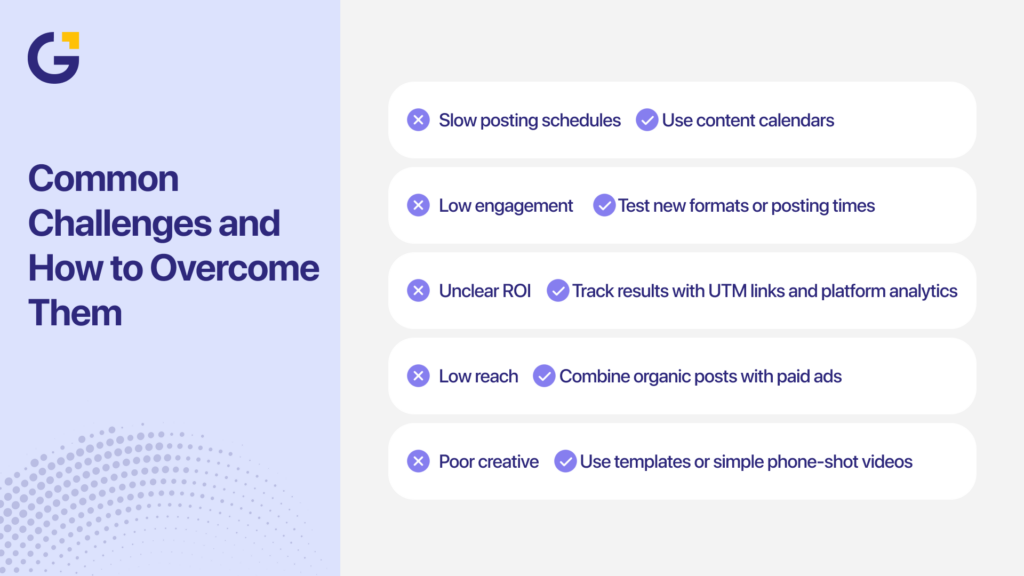
Common Challenges and How to Overcome Them
Many Australian businesses face similar problems. These challenges slow down results and reduce engagement.
Common issues and simple fixes:
- Slow posting schedules → Use content calendars
- Low engagement → Test new formats or posting times
- Unclear ROI → Track results with UTM links and platform analytics
- Low reach → Combine organic posts with paid ads
- Poor creative → Use templates or simple phone-shot videos
These simple fixes create a strong foundation on how to run a successful social media marketing campaign across Australian platforms.
Case Studies: Australian Brands Winning on Social Media
Australian businesses continue to prove that consistent social media marketing produces real results. Grill’d built a large audience through TikTok trends and staff clips. Go-To Skincare leverages product education to reach customers. Officeworks uses YouTube and LinkedIn to connect with both consumers and businesses.
These examples show that authentic content, clear branding, and regular posting help businesses succeed across multiple platforms.
How Genix Digital Helps Businesses Dominate Social Media in 2026
Genix Digital helps Australian businesses strengthen their social media performance through structured programs that cover strategy, content development, scheduling, paid ads, and analytics. The team reviews competitors, identifies the content formats that attract the right audience, and builds a plan that ties daily activity to real business goals. This approach removes guesswork and gives brands a clear path to consistent growth across platforms.
If you want stronger results from social media, you can book a free consult with Genix Digital. The team will walk you through the platforms that suit your business, the content styles that match your customers, and the steps that can improve reach, engagement, and conversions in 2026.
FAQs
What is the best platform for Australian businesses?
The right platform depends on your audience. Instagram and TikTok work well for B2C brands. LinkedIn is best for B2B and professional services.
How often should a business post?
Most brands see strong results with three to five posts each week. Consistent posting helps build trust. Daily stories or short updates can also support engagement.
Do paid ads still work?
Yes, paid ads continue to deliver strong results for Australian businesses. They help brands reach new audiences faster. Clear targeting and testing improve performance.
How can a business measure ROI?
Track website traffic, leads, sales, and conversions from each platform. Use analytics tools to see how people respond to your content. This helps you understand which posts or ads drive real results.
Is short-form video required in 2026?
Short-form video delivers strong reach and engagement across TikTok and Instagram. Users respond well to quick, clear content. Most brands see better results when they include it in their strategy.





 11 Mar 2026
 9 Min Read