Voice Search in Australia: How to Prepare Your SEO Strategy for 2026
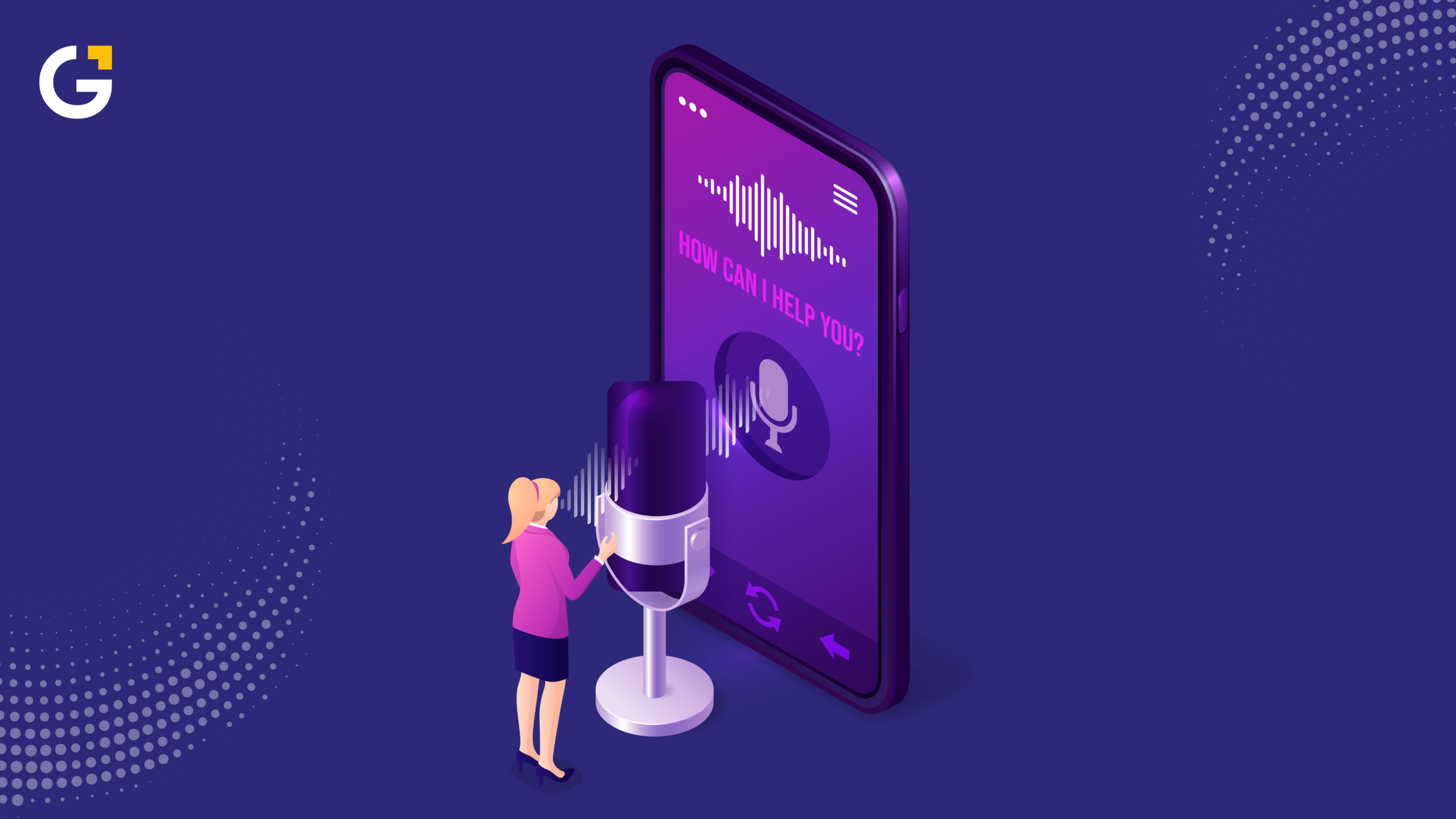
Voice search Australia mobile assistant and smart search graphic

Voice search in Australia is changing how people search online, especially on mobile devices, smart speakers, and AI-powered assistants. Australians are increasingly using spoken queries to find local businesses, compare services, get directions, check opening hours, and research products before making decisions.  Traditional SEO focused heavily on short keywords and rankings alone. Modern search behaviour is more conversational. People now ask full questions through Google Assistant, Siri, Alexa, and AI-powered search tools like ChatGPT and Gemini. Businesses that want to stay visible in voice search results need content built around natural language, local intent, mobile usability, and answer-focused formatting.  For Australian SMEs in Sydney and across Australia, voice search optimisation is becoming part of a broader AI search strategy. Businesses that improve conversational content, local SEO, website speed, and search intent optimisation are more likely to appear in AI Overviews, featured snippets, and voice assistant responses. Companies looking to improve visibility and lead generation can also review their current SEO services strategy to identify gaps in conversational search performance and mobile search experience. What Is Voice Search Optimisation in Australia? Voice search optimisation is the process of improving website content, local SEO signals, mobile performance, and conversational search relevance to help businesses appear in spoken search results and AI-generated answers. In Australia, voice search SEO is increasingly connected to mobile search, conversational queries, and local intent.  Traditional searches are usually short and fragmented. Voice searches tend to sound more natural and question-based. Someone typing may search for “SEO agency Sydney,” while a voice search user may ask, “Who offers SEO services near me for small businesses in Sydney?” That difference changes how businesses should structure content and optimise pages. Voice assistants rely heavily on: Modern search engines also use natural language processing to understand context and intent better. This means businesses can no longer rely only on exact-match keywords. Search engines now evaluate whether content clearly answers questions, demonstrates expertise, and matches user intent. Google AI Overviews increasingly summarise information directly within search results. Businesses with clear, structured, authoritative content are more likely to appear within those summaries. Typed Search Voice Search Short phrases Full questions Keyword-focused Conversational Multiple results reviewed Fast answer expected Desktop-heavy Mobile-heavy Search intent varies Usually action-oriented Why Voice Search Matters for Australian SMEs in 2026 Voice search matters because Australians increasingly expect fast, conversational, and localised answers from search engines. Businesses that optimise for spoken search behaviour can improve local visibility, mobile engagement, and conversion opportunities across AI-powered search platforms. According to Google, search behaviour continues shifting toward conversational and multimodal experiences. AI-generated summaries, mobile search, and natural language queries are becoming more common in local search journeys.  For example, voice queries often include: These searches usually signal strong commercial intent. The user often wants immediate information or is close to taking action. That makes voice search optimisation valuable for tradies, healthcare providers, accountants, real estate agencies, ecommerce stores, restaurants, and professional service businesses. Many Australian SMEs still treat voice search as a future trend instead of a current search behaviour shift. Businesses that improve conversational content, local SEO, and mobile usability now are generally better positioned for AI-driven search visibility.  For companies unsure whether their current SEO strategy aligns with seo trends 2026, reviewing conversational search performance and local SEO structure can help uncover missed opportunities in both rankings and conversions. How Voice Search Works in Modern Search Engines Voice search works by interpreting spoken queries and matching them with the most relevant answer quickly. Search engines analyse natural language, user intent, location, and mobile context to deliver fast conversational results instead of traditional keyword-only rankings. When someone uses a voice assistant, the search engine processes: Voice assistants usually prioritise direct answers instead of showing users multiple search results. This is why concise content, strong local SEO signals, and mobile usability have become increasingly important for voice search optimisation in Australia. Voice Search Ranking Factor Why It Matters Conversational keywords Matches spoken queries Local SEO signals Improves “near me” visibility Mobile UX Most voice searches happen on mobile Featured snippets Common source for spoken answers Structured data Helps search engines interpret content Fast loading speed Improves user experience and rankings Why AI and Semantic SEO Matter for Voice Search Modern search engines now rely heavily on AI systems and semantic understanding to interpret meaning instead of matching only exact keywords. This helps search platforms understand relationships between topics, businesses, locations, and search intent more accurately. Google’s AI systems increasingly prioritise: Search engines also evaluate whether content answers questions naturally while remaining easy to crawl and structure. As AI Overviews and voice assistants continue expanding, businesses increasingly need content that sounds natural to users while remaining highly organised for search engines and AI systems, a direction repeatedly discussed by Sundar Pichai.  Users also increasingly expect direct answers instead of navigating through multiple pages. Businesses that create structured, intent-focused content are more likely to remain visible across voice search and AI-generated search results. Businesses preparing for conversational search should also understand how SEO, AEO, and GEO are reshaping modern search visibility. Voice Search SEO Strategies Australian Businesses Should Prioritise Voice search SEO in Australia now depends on conversational search intent, local SEO, mobile-first performance, and structured answer-focused content. Businesses that optimise these areas improve their chances of appearing in featured snippets, AI Overviews, and voice assistant responses. Use Conversational Keywords and Question-Based Content Voice searches sound more natural than typed searches. Businesses should create content that reflects how real people speak instead of focusing only on short keywords. Question-based searches and conversational keywords strategies in Australia are becoming more important because users increasingly interact with AI assistants conversationally. Businesses should optimise for voice queries by creating content around: Examples include: Question-based content also improves visibility in featured snippets and AI summaries. This is especially valuable for businesses targeting local service searches and conversational search SEO opportunities. Optimise for Featured Snippets and Google AI Overviews Featured snippets’ voice search strategies remain important because many voice assistants … Read more

SEO, AEO & GEO: The New Era of Search in 2026

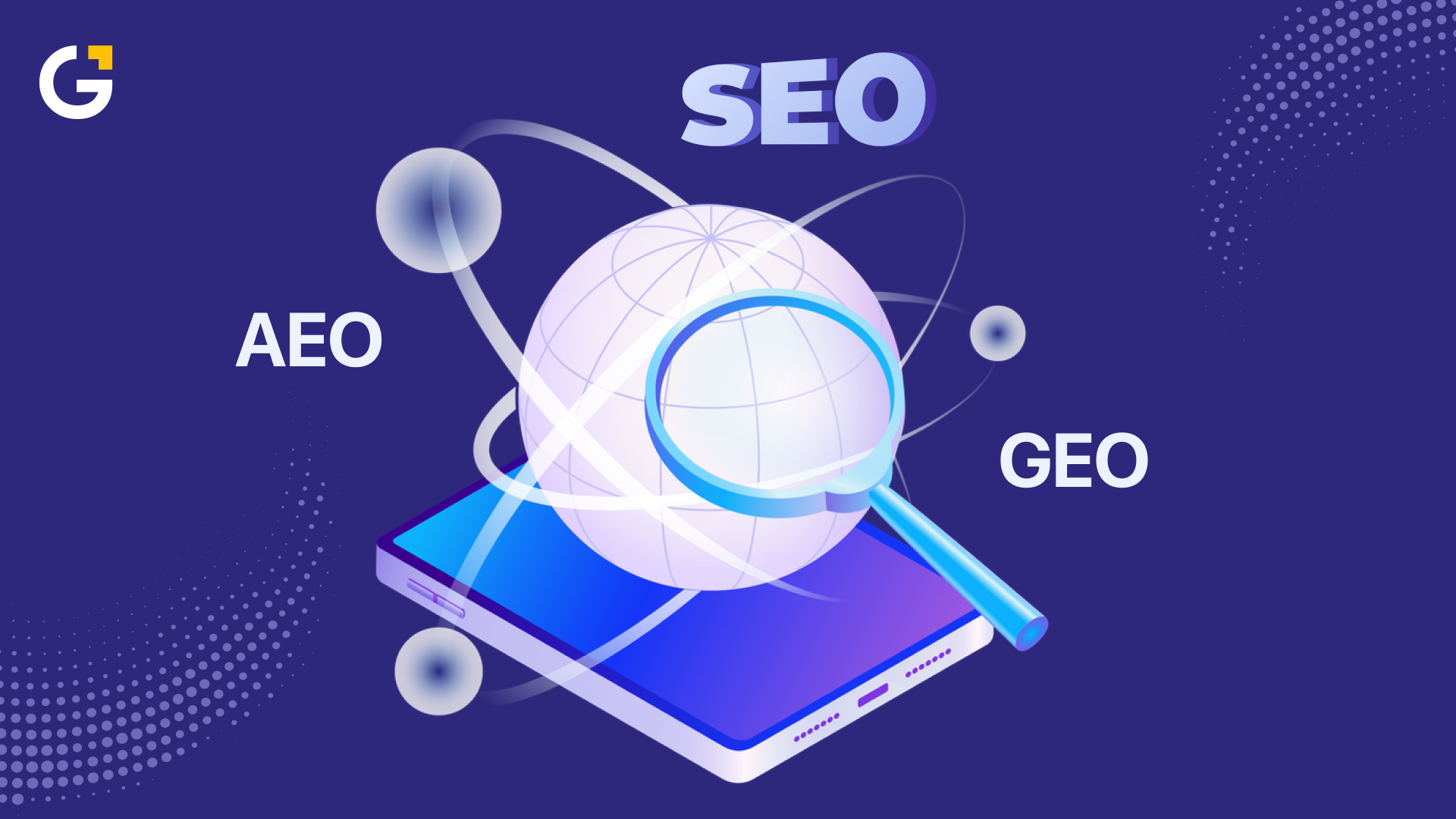
SEO AEO GEO concept with search globe and magnifying glass

Search is changing fast. AI-powered tools, answer engines, and generative platforms are transforming the way people find information. Ranking on Google is no longer the only goal. Businesses now need visibility across SEO, AEO, and GEO to stay competitive. This guide explains what each approach means, how they work together, and what your business should focus on to stay visible in 2026. Understanding the Evolution of Search Search has changed quickly as people rely more on AI-powered search engines, voice assistants, and instant answers rather than scrolling through long results pages.  According to a 2026 survey by Google and IPSOS, 49 percent of Australians used Generative AI in the last year, a sharp increase from 38 percent in 2023. This surge highlights how quickly people are shifting toward AI-driven tools for finding information, making it even more important for businesses to optimise for SEO, AEO, and GEO. How Search Has Shifted Search has moved from simple keyword matching to intent-based and conversational results. Users now expect search engines and AI systems to understand questions in natural language and return accurate answers immediately. This shift is driven by: Instead of ranking ten blue links, search tools now produce summaries, answer blocks, and generative responses. This widens the channels brands must optimise for and creates new challenges for traditional SEO models. Why Traditional SEO Alone Is No Longer Enough Keyword-focused SEO is no longer enough because users interact with search results in new ways. Search engines now favour: If a business relies only on ranking positions, it loses visibility when AI search tools extract answers and bypass traditional pages. Brands that fail to optimise for AEO and GEO risk losing traffic, impressions, and brand authority as more users shift to AI search. This is why SEO, AEO, and GEO strategies now work together. SEO drives visibility, AEO supports answer delivery, and GEO increases the chance of being used in generative responses across AI-powered search engines. What Is SEO (Search Engine Optimisation)? SEO is the practice of improving a website so search engines can understand its content and recommend it to users. It helps businesses appear for searches that match their products, services, or expertise. While SEO has expanded over the years, its foundation remains visibility, relevance, and authority. Core Principles of SEO SEO focuses on helping search engines identify content that best matches a user’s intent. Strong SEO performance is usually built on four key areas: SEO still forms the base of search visibility, but its influence has shifted as AI-powered search engines reshape search behaviour. Limitations of SEO in 2026 SEO continues to be important, but it no longer controls the entire visibility journey. Shifts in how people search have introduced new limits: These limitations show why businesses now must combine SEO with answer engine optimisation and generative engine optimisation to remain visible across all AI-powered search engines. Why SEO Still Matters Even as search behaviour changes, SEO remains a foundation for search visibility. It plays a key role in helping businesses: SEO forms the base of modern search strategy. AEO and GEO build on it, increasing a brand’s presence in instant answers and generative responses across AI-powered search engines. What Is AEO (Answer Engine Optimisation)? AEO is the process of structuring content so search engines and AI systems can extract clear, direct answers. Instead of focusing only on ranking, AEO focuses on being selected as the source for instant responses, featured snippets, voice answers, and AI-generated summaries. AEO has become essential because users now expect fast, accurate information without needing to click through multiple pages. How AEO Works AEO works by helping search engines and AI tools find direct, well-structured answers on a page. It relies on: Example: H3: What is generative search optimisation?Followed by a short, direct answer. AEO helps a page become the “answer source” for Google Search, Google SGE optimisation, Bing AI search, and AI-powered search engines like ChatGPT Search. Why AEO Supports Zero-Click Search Zero-click search occurs when users get an answer directly on the results page or in an AI summary without visiting the site. AEO directly influences this trend because: This is why AEO is now a core part of search visibility in the AI era. If a website does not structure content for answer extraction, it loses presence in zero-click environments. Tactics That Improve AEO Visibility AEO requires deliberate formatting and clear information architecture. The most effective tactics include: AEO helps websites gain visibility in featured snippets, People Also Ask boxes, voice search answers, and generative responses. It is now one of the strongest ways to improve search visibility in the AI era. What Is GEO (Generative Engine Optimisation)? GEO is the practice of improving content so generative AI systems can understand it, trust it, and use it when creating summaries or answers. It focuses on making information clear, structured, and authoritative enough for tools like Google SGE, Bing AI search, ChatGPT Search, and Perplexity to reference. GEO does not replace SEO or AEO. It adds a new layer that prepares websites for search results powered by generative models instead of ranked lists. How Generative Engines Evaluate Content Generative engines do not evaluate content the same way as traditional search engines. Instead of scanning for keywords, they assess the meaning and clarity of content. They also evaluate whether the source is safe to use in an automated response. The main factors they consider include: Generative engines rely on meaning, structure, and trust signals rather than keyword density. GEO aligns content with these requirements. Why GEO Is the Missing Layer for 2026 Many businesses have strong SEO and AEO foundations, but still do not appear in generative summaries. GEO fills this gap by preparing content for AI models that generate answers instead of listing links. GEO is essential in 2026 because: It is now one of the strongest ways to appear in AI-generated summaries, answer panels, and conversational responses. Signals AI Uses to Select Sources AI systems use a combination of quality, structure, … Read more

How Agent Mode in ChatGPT Helps Australian Business Owners Save Time

Agent mode ChatGPT automation concept with AI assistant

If you’re running a small or medium-sized business in Australia, chances are your days are filled with admin, emails, follow-ups, and repetitive tasks that drain your time. Many SME owners lose hours to work that doesn’t actually move the business forward, updating spreadsheets, replying to enquiries, checking inventory, or chasing team updates. That’s where Agent Mode in ChatGPT becomes invaluable. This new capability transforms ChatGPT into a proactive digital agent that completes tasks, monitors workflows, sends alerts, and automates repetitive processes. As more owners adopt ChatGPT for business, Agent Mode is quickly becoming a core tool for business automation in Australia, helping SMEs save time and boost productivity.  In this guide, you’ll learn how Agent Mode works and how Genix Digital helps local businesses implement AI automation without the tech overwhelm. What is Agent Mode in ChatGPT? Agent Mode in ChatGPT is a new capability that allows ChatGPT to operate like a virtual operations assistant rather than just a text-based chatbot. Instead of giving you answers and stopping there, Agent Mode can take action, follow multi-step instructions, and monitor information in real time, much like a digital employee that never sleeps. At its core, Agent Mode operates like a highly capable digital assistant, enhanced through continuous OpenAI updates that expand what the system can track, understand, and automate. It connects to your tools, checks for updates, triggers alerts, sends messages, updates spreadsheets, and even coordinates tasks across multiple platforms. OpenAI describes agents as “AI systems that can reason, plan, and take actions using tools”, which makes them far more powerful than traditional chat interactions. Think of it this way: Regular ChatGPT is like asking a smart person for help. Agent Mode is like giving that person access to your systems and letting them complete the work for you. How It Works in Simple Terms Agent Mode combines three major abilities: A simple example is you can instruct like: “Check my enquiry spreadsheet daily. If a lead hasn’t been contacted in 48 hours, message me on Slack and create a follow-up task in Trello.” With Agent Mode, ChatGPT will: This type of workflow used to require expensive custom software or integration tools. Today, Agent Mode brings this capability to everyday businesses at a fraction of the cost. Why This Matters For Australian SMEs, this means: Agent Mode represents a major step toward fully autonomous digital assistants, something that global leaders like Elon Musk and Sam Altman have repeatedly described as the future of workplace productivity. Why It Matters for Australian Business Owners For Australian small and medium-sized businesses, Agent Mode isn’t just a handy feature; it’s a direct response to real productivity pressures. Local teams often spend hours each day on admin, chasing emails, or preparing reports, leaving less time for sales, strategy, and customer experience.  With rising labour costs and limited staffing capacity, many SMEs are looking for practical ways to work smarter without increasing overheads. Agent Mode gives businesses a way to automate routine tasks, free up time, and maintain service quality even with lean teams. Global leaders like Elon Musk and Satya Nadella have shared that the next wave of business efficiency will be driven by AI systems that “work alongside people, not replace them.” For Australian business owners, Agent Mode brings that idea into the real world, offering a digital assistant that handles repetitive tasks while your team focuses on more valuable work. Here’s what makes it especially important for local businesses: Save time on routine work According to a 2025 HRD Australia report, employees spend up to six hours per day on repetitive tasks such as emails, document updates, and meeting coordination. Agent Mode helps cut these hours significantly by automating multi-step tasks in the background. Improve response times Whether you’re in real estate, construction, or professional services, a quick follow-up can make or break a deal. A ChatGPT Agent can trigger instant alerts, reply to enquiries, or prepare summaries, helping you stay responsive even during busy periods. Reduce operational costs Instead of hiring additional staff for admin or coordination roles, businesses can configure a virtual agent to handle routine work. This aligns with Genix Digital’s mission: give SMEs access to enterprise-level efficiency without enterprise-level cost. Stay competitive Top platforms like Shopify and HubSpot already offer AI integrations for workflow automation. Many Australian e-commerce brands use these tools to streamline fulfilment, support, and inventory tracking. Agent Mode lets smaller businesses compete at that same level. Key takeaway: Agent Mode helps Australian SMEs reclaim lost time, boost team efficiency, and reduce the pressure of rising operating costs. When used with expert setup and strategy, it becomes a foundation for running a more agile, responsive, and competitive business. Practical Use Cases for SMEs Agent Mode becomes most valuable when business owners can see how it applies to their day-to-day operations. Automation isn’t just for big companies; Australian SMEs across every industry can use ChatGPT Agents to cut admin time, improve accuracy, and boost customer satisfaction.  These are some of the most common ChatGPT Agent use cases we see among Australian SMEs adopting workflow automation. Real Estate & Construction Real estate agents, builders, tradies, and project managers often deal with a heavy flow of enquiries, paperwork, and scheduling. Agent Mode can simplify these tasks so teams can spend more time on clients and on-site work. Examples: Impact: Faster client response, fewer missed appointments, and less manual admin for busy teams moving between job sites. Food & Beverage / Hospitality Cafés, restaurants, catering services, and hospitality groups often rely on rapid communication and reputation management. Agent Mode can simplify guest engagement and day-to-day operational coordination. Examples: Impact: Better control over brand reputation, smoother team coordination, and fewer last-minute supply issues. Technology / IT Services Tech consultancies, MSPs, and digital service providers often juggle support tickets, client updates, and documentation. Agent Mode can help teams stay organised and responsive. Examples: Impact: Quicker resolutions, fewer missed tickets, and consistent documentation, all crucial for IT teams with high client expectations. E-commerce Australian … Read more

Google & Meta Ads for Move-In Leads: Targeting and Messaging

Google Ads & Meta Ads

Why Move-In Leads Are Gold for Service Businesses Every week across Australia, thousands of households relocate, and that creates a massive opportunity for local service providers. According to the Australian Bureau of Statistics report, about 1.14 million Australian households, roughly 12%, move to a new home each year. That means every week, thousands of new residents are actively searching for essential local services such as cleaning, moving, utilities setup, and home improvements. Move-in leads are high-intent customers. They’re actively looking for businesses they can trust right now, from locksmiths and electricians to cleaners and landscapers. The question is: how do you find them first? At Genix Digital, we’ve seen that the combination of Google Ads and Meta Ads gives Australian service businesses the most reliable path to reach move-in audiences early, build awareness fast, and convert them before competitors do. Understanding the “Move-In” Audience in Australia The “move-in” segment represents people who’ve recently changed addresses or are about to. They’re making dozens of urgent buying decisions, from connecting broadband to booking trades. According to CoreLogic data reported by ABC News in 2024, national house prices rose 6.7 percent over the year, reflecting continued housing demand and activity across Australia. This steady growth indicates ongoing movement in the property market and increasing demand for location-based home services. They search for “near me” or suburb-specific terms on Google. They browse home-related content and community groups on Facebook or Instagram. They respond to urgency and trust signals (reviews, location, same-day service). Understanding these triggers allows advertisers to design targeted Google and Meta campaigns that appear exactly when these consumers are ready to book. Why Google & Meta Ads Are Ideal for Move-In Campaigns Both platforms dominate digital reach, but for different reasons. Google Ads captures active intent. When someone searches “bond cleaning Sydney” or “best moving company near me,” they’re already ready to buy. Meta (Facebook & Instagram) Ads influence passive intent. They help you reach people in transition who may not be searching yet but fit your target demographic (new homeowners, renters, families). Together, they form a complete move-in marketing system: Google drives high-intent leads. Meta builds awareness and remarketing touchpoints. And both now use advanced automation, Google’s Performance Max and Meta’s Advantage+,  which leverage AI to identify behavioural patterns like “recently relocated” or “household changes.” According to Madgicx’s analysis of Meta Advantage+ campaigns, e-commerce advertisers saw up to a 32% improvement in return on ad spend (ROAS) compared to manual campaigns. While Meta has not published an official “32% year-over-year conversion rate” figure for service-industry move-in audiences, this metric illustrates the potential upside of using Advantage+ automation. Defining Your Target Audience and Intent Signals To make your campaigns efficient, define audience signals clearly: Location targeting: Use radius targeting (3–10 km) around new-build estates or popular moving destinations. Life event targeting (Meta): Select “Recently Moved” or “New Job” demographics. Keyword intent (Google): Focus on queries combining “moving,” “new home,” or service-specific needs. Examples: “set up internet in new house,” “post-move cleaning,” “install security cameras.” Custom intent audiences: Upload CRM or customer email lists to build lookalikes. Google Ads Strategy for Move-In Leads Below is a step-by-step guide to maximising your move-in lead conversions: Choose the Right Campaign Type Start with Search or Performance Max campaigns. Search campaigns give full keyword control. Performance Max blends Search, Display, YouTube, and Maps placements, ideal for home services. Use Geo-Specific Keywords Example: “Moving company in Parramatta” “New home cleaning Melbourne” “Solar installation Perth suburbs” Include dynamic location insertions in ad copy to improve Quality Score. Optimise for Mobile & Voice Search According to Google, more than 50 percent of search queries globally now come from mobile devices, making mobile optimisation a top priority for service-based advertisers.  To capture these high-intent users, ensure your ad headlines and extensions are designed for quick actions. Incorporate features like call extensions, location pins, and “Book Now” CTAs to make it easy for potential customers to contact you or book services instantly. Track Conversions Track conversions by linking Google Analytics 4 with your Google Ads account to monitor key actions such as form submissions, phone calls, and online bookings. This integration helps you understand which ads and keywords drive real results. Use these insights to refine your campaigns and power smart bidding strategies that automatically prioritise the highest-converting audiences. Meta (Facebook & Instagram) Ads Strategy for Move-In Leads Meta’s advantage is its ability to reach people before they search. Target Life Events and Behaviours Meta’s detailed targeting lets you reach audiences based on life events like “Recently Moved,” “Newly Engaged,” or “Parents with Toddlers.” These groups often represent households going through change, a perfect time to promote home-related services. Using these behavioural signals helps your ads reach people who are most likely to need your services in the near future. Create Dynamic Carousel or Video Ads Visual storytelling captures attention quickly and builds trust. Use carousel or video ads to showcase before-and-after transformations, client testimonials, or your team in action. These formats perform best because they help audiences visualise your service benefits in real-life scenarios. Build Lookalike Audiences Upload your existing customer list to create 1–2% lookalike audiences that mirror your highest-value clients. This approach extends your reach while maintaining precision and efficiency. It’s a cost-effective way to attract new move-in customers who share similar needs and interests as your best clients. Use Meta Pixel and Conversions API Set up both the Meta Pixel and Conversions API to capture website actions accurately and improve campaign optimisation. These tools work together to provide a complete picture of how users interact with your ads. Advertisers who integrate server-side tracking typically see around a 15% improvement in cost per qualified lead, according to Meta’s Conversions API insights. Crafting High-Impact Ad Messaging That Converts Your messaging must connect emotionally and practically. Move-in audiences are stressed, time-poor, and overwhelmed. Example of an effective Google Ad: “Just Moved? Book Reliable Electricians Near You, Fast Service, Up-Front Pricing, Local Experts.” Example of a Meta Ad Caption: “New … Read more

High-Converting Product Landing Pages for the Australian Market

Genix Web Nature Design

Why Landing Pages Matter for Australian Businesses If you’re running campaigns or driving traffic to your website but getting few sales or sign-ups, the problem might be your landing page. A well-built landing page can turn visitors into customers. In Australia, that means aligning with local buyer behaviours and market cues.  In this article, we’ll show you how to create high-converting landing pages that speak to Australian business owners, marketing managers, and eCommerce professionals. You’ll walk away with practical steps you can apply, and you’ll also discover how agencies use data-driven design and CRO (conversion rate optimisation) to deliver real results. What Makes a Landing Page “High-Converting”? A “high-converting landing page” is one built with a single primary goal (a purchase, sign-up, or lead capture) and every element supports that goal. According to recent data, focused landing pages deliver far better results than general website pages. For example, the median landing page conversion rate across industries is around 6.6 %. Yet many Australian eCommerce sites convert at only ~1.78 % on average. That gap shows the opportunity. Key features of high-converting pages: A clear headline and value proposition. Minimal distractions (navigation, off-goals). Strong CTA (call-to-action). Trust signals and social proof. Mobile-first speed and layout. In the next sections, we’ll dive into how to apply these features in the Australian context. Understanding the Australian Buyer Mindset When you design for an Australian audience, local buyer behaviour matters. For instance: 83 % of Australian shoppers say they value convenience in shopping. In 2025, 72 % of Australian online shoppers prefer store-brands or alternatives when they feel confident in the quality. Many still research online before buying offline (webrooming) or want fast delivery or local-relevant experiences. What does this mean for your landing page? Suppose your business sells a fitness device. Your landing page should emphasise: “Fast shipping Australia-wide”, “Loved by 2,000 + Australians”, “30-day returns from Sydney warehouse,”  because local reassurance builds trust. Your copy should speak plainly and trustfully, using Australia-friendly words (e.g., “free shipping Australia-wide”, “no-hassle returns”, “Australian support team”), not jargon or overly global language. Key Elements of a Winning Product Landing Page Here are the critical blocks you must include. Let’s illustrate each with a mini-scenario for an Aussie-based SMB selling a productivity software licence: Headline + Sub-headline: Clearly state the benefit. Example: “Grow your team’s output by 30 % in 60 days” + “Built for Australian small teams.” Value Proposition: Why should they care? Bullet list: “Australian pricing, 24/5 support, local data centre.” Hero Image or Demo Video: Show the product in action. Use a hero image or short demo video at the top of your page so visitors can instantly understand how your product works. Real, context-based visuals perform better than stock photos, especially when they show real people using your product.  Features & Benefits Section: Focus on benefits more than specs. Example: “Save 10 hours per week, reduce admin errors by 40 %.” Trust & Credibility: Reviews, endorsements, badges. Strong CTA: Single, visible, action-oriented (“Start your 30-day free trial”). Supportive Info / Why Choose Us: Address objections (“No lock-in contract”, “Local support in Sydney”). Footer / Secondary Trust Elements: Privacy policy, security badge, local phone number. Crafting Compelling Headlines and Copy A strong headline is the door-opener. For example, referencing a local brand or campaign helps: Just as Apple uses a clear benefit in “iPhone 15 – Think Different”, you need your own clear benefit for the Australian user. Headline formula: “[Primary Benefit] + [Audience] + [Time-frame]”. Example: “Cut your reporting time by half in 30 days – Australian teams.” Keep your copy: Short paragraphs (2-3 lines). Plain English, no fluff. Use “you” to speak directly to the reader. Use local language: “AUD”, “GST”, “Sydney”, “Melbourne”, “weekend support”, etc. Weave in your secondary keywords: e.g., “landing page optimisation guide for better conversions” or “high-converting landing pages for businesses”. Designing for Conversion: Layout, Colours and Visual Flow Design isn’t about being pretty alone; it’s about guiding the eye and action. Consider: Hero section above the fold with headline + image + CTA. Use brand-consistent colours, but ensure contrast on CTA buttons. Visual flow: eye travels top-left → centre → CTA. White space (or Aussie design style) helps readability for mobile, especially given 68 % of Australians shop on mobile.  Speed matters: Mobile must load in < 3 seconds for Australian users or you’ll lose them. Mini-scenario: Your product is a subscription-box service in Brisbane. On mobile, the hero image shows someone opening the box, headline: “Brisbane’s #1 monthly tech box delivered fast”, CTA: “Start your first box for AUD 29”. Colour palette takes your brand blue and accent orange, CTA button large, no top navigation to reduce distractions. Building Trust: Social Proof, Reviews & Local Credibility Trust signals matter more than ever for Australian buyers, and especially on a landing page. Stats tell us that Australians are deliberate; they check reviews, they want credible proof.  Mini-scenario: Include: “Trusted by 300+ Sydney business owners”, “Rated 4.8/5 on Google”, “See case study of Melbourne firm cutting cost by 27 %”. Also include local badges: “Australian-owned”, “Sydney-based support team”, “GST inclusive pricing”. If you have a brand ambassador (think Guy Kawasaki or a known Australian marketing figure) you can quote them. For example: “As Guy Kawasaki says: ‘Great products win because they’re trusted’.” That builds authority. Mobile-First & Speed Optimisation Australia’s mobile usage is high, and users expect fast-loading pages. Mobile optimisation is mandatory. Data from HubSpot shows that mobile traffic dominates, and a large share of conversions occur on mobile devices. Checklist: Ensure hero image loads fast; use WebP or compressed PNG. Remove heavy JavaScript that slows the page. Use lazy-loading for images. Use sticky CTA (or visible CTA early). Test on Australian networks (including slower mobile networks). Mini-scenario: Your Sydney-based logistics company page: hero image loads in < 2s, CTA “Get free quote today” visible before the fold on mobile, minimal navigation. Conversion rate improved from 1.2 % to 4.5 % after optimisation. Common Landing Page … Read more

Connect Faster!

Grow Better

Take action now to
transform your
business!

Get
Free
Consolation