
Why Digital Marketing Skills Matter in 2026
If you’re trying to understand how to start in digital marketing, 2026 is the most exciting time to begin. Digital behaviour has changed across Australia as more people rely on mobile search, short-form video, voice assistants, and AI-driven content. Businesses that once depended on foot traffic now rely on Google, Instagram, and TikTok to reach customers.
According to IAB Australia, internet advertising spending reached AUD $16.4 billion in 2024, reflecting an 11.1% year-on-year increase, which proves how much businesses rely on online marketing. Even small businesses in Sydney now compete with national brands because AI tools make content creation, design, and ads easier than ever.
Brands like Bunnings, Canva, and Mecca continue to set the pace in digital strategy. They invest early, adapt fast, and use data to guide decisions. For beginners, this means anyone can learn the basics and use digital marketing to grow a business, build a career, or start a freelance pathway.
What Is Digital Marketing? (And Why It’s Constantly Evolving)
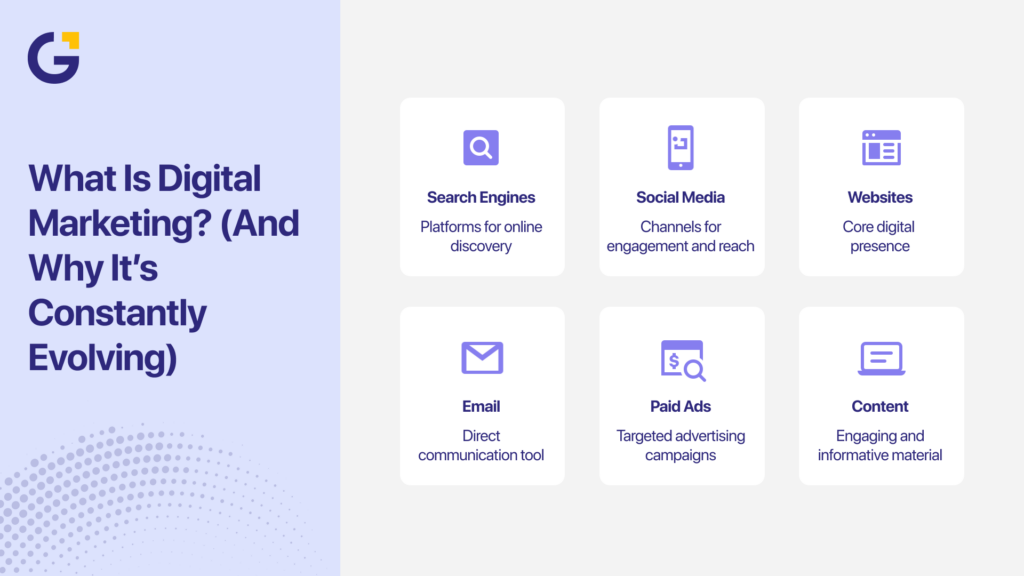
Digital marketing refers to the strategies, tools, and platforms that help businesses reach people online. It covers search engines, social media, websites, email, paid ads, and content. What makes it unique in 2026 is the speed at which it changes.
Google is rolling out AI-driven search experiences. TikTok’s algorithm pushes short videos to millions of users overnight. Meta is replacing manual ad setups with its Advantage+ automation. Even email platforms now use predictive analytics to send the right message at the right time.
As Google’s CEO Sundar Pichai observes, ‘As a truly general-purpose technology… every company, every sector will use this technology in their own ways,’” which means digital marketers must stay flexible and ready to adopt new tools.
Understanding the Core Channels
To get started, beginners must understand the main areas of digital marketing. These are the channels that help build visibility, attract customers, and grow revenue.
- SEO (Search Engine Optimisation) – helps websites appear on Google and drive organic traffic.
- Content Marketing – blogs, videos, emails, and guides that educate and build trust.
- Social Media Marketing – connecting with audiences on Instagram, Facebook, TikTok, LinkedIn, and YouTube.
- Paid Advertising – Google Ads, Meta Ads, TikTok Ads, and LinkedIn Ads for fast visibility.
- Email & Automation – nurturing leads and turning interest into long-term customers.
These channels work best when combined. For example, SEO brings in organic traffic, while social media builds engagement, and paid ads bring short-term results.
SEO
SEO helps your business appear on search engines when customers look for answers or services. Strong SEO provides long-term growth because people trust organic results more than ads.
SEO involves several steps:
- On-page optimisation, such as title tags, headings, metadata, and internal linking
- Technical improvements like site speed, mobile design, and clean code
- Local SEO, including Google Business Profile, reviews, and location-based keywords
- Content creation that answers search queries and builds authority
A tradie in Sydney who ranks for “emergency plumber near me” can generate daily leads without spending on ads. According to Ahrefs, more than 68% of online experiences begin with a search engine, showing how valuable SEO is for beginners.
Content Marketing
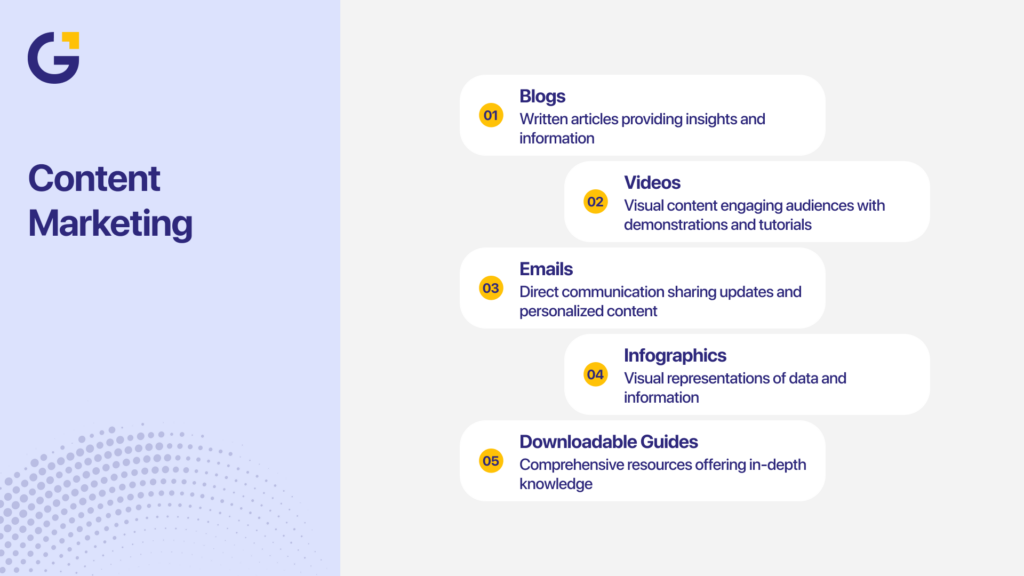
Content marketing builds brand trust through useful information. Instead of pushing sales, you educate, guide, and help your audience understand their options. This includes blogs, videos, emails, infographics, and downloadable guides.
Brands like Canva built global audiences through educational content that solved problems and gave practical ideas. The same method works for small businesses. If you run a café, you might share brewing tips. If you run a fitness studio, you could post exercise tutorials.
Good content positions you as a trusted source, and trust converts better than any advertisement.
Social Media Marketing
Social media allows you to reach customers where they spend time daily. In 2026, platforms like TikTok and Instagram reward authenticity over polished content. Short-form videos create massive reach even for new accounts.
A local beauty salon in Sydney can post simple behind-the-scenes videos and reach thousands of locals. A tradie can share before-and-after photos of home projects and build credibility fast.
Social media is powerful because it’s personal, immediate, and built on community interaction. Businesses that show personality win attention and loyalty.
Paid Advertising (PPC & Meta)
Paid advertising delivers fast results by placing your business in front of targeted audiences. This matters for beginners who want quick visibility or need to compete in crowded markets.
Paid ads include Google Search Ads, Google Performance Max, Facebook and Instagram Ads, TikTok Ads, and LinkedIn Ads. Modern platforms rely heavily on AI to automate bidding, creative testing, and targeting, making it easier for newcomers to get good results.
- Google Ads captures people who are ready to buy.
- Meta Ads create awareness and retarget people who visited your site.
- TikTok Ads drive engagement through video storytelling.
According to Statista, AI-powered campaigns increase performance because machines test thousands of audience variations faster than any human can.
Email & Automation
Email remains one of the most profitable digital channels. With automation tools like Mailchimp, Klaviyo, HubSpot, and ActiveCampaign, even beginners can send targeted messages based on behaviour and interests.
According to Shopify, email returns $36 for every $1 spent, making it ideal for nurturing leads, promoting offers, and staying connected with customers. Most small businesses in Australia still underuse email, which gives new marketers an advantage.
Once you understand how key channels like email and automation work together, the next step is to define clear goals so your digital marketing plan has direction from day one.
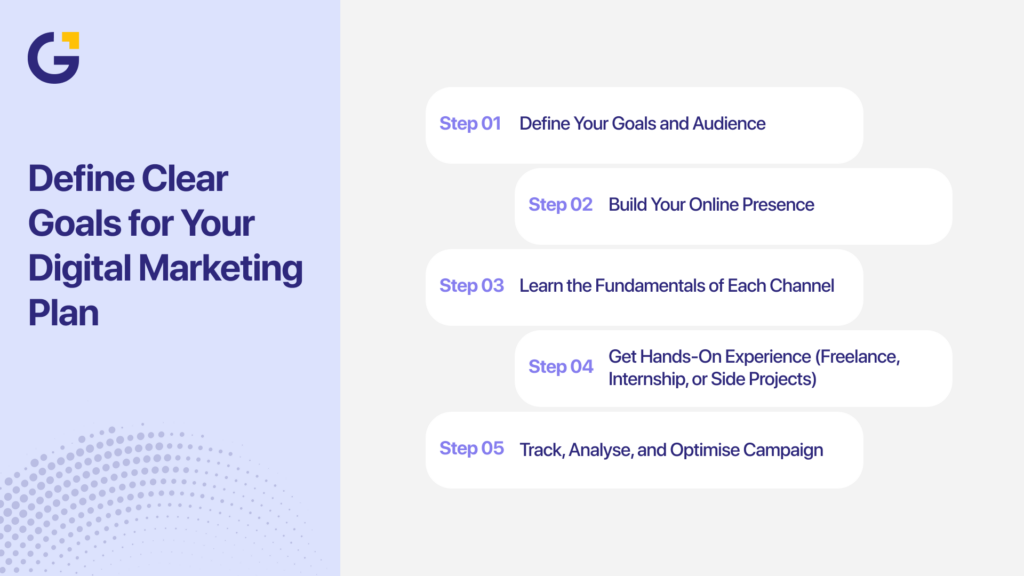
Step 1: Define Your Goals and Audience
A clear direction makes digital marketing much easier. Before posting or running ads, beginners should clarify:
- What outcome do I want?
- Who is my ideal customer?
- What problems do customers want solved?
- Which channels matter most to my audience?
This step prevents wasted time and helps you choose the right platforms. For example, a Sydney personal trainer might target busy parents, making Instagram and Google Search the best starting points.
Step 2: Build Your Online Presence
Your website is your online home. It is the first impression many customers will ever have of your business. A good website should load fast, be mobile-ready, and make it clear what you sell, who you serve, and how to reach you.
Genix Digital’s Website Design and Development Services create fast, SEO-ready websites for small and medium businesses. A well-built site improves your visibility on Google and increases conversions because users have a clean, simple experience.
Beginners should also build:
- A Google Business Profile
- Social media pages
- A simple content plan
- An email sign-up form
These elements work together to build credibility.
Step 3: Learn the Fundamentals of Each Channel
Beginners do not need to master every channel on day one. It’s better to learn the basics and slowly build experience. Start by understanding how SEO improves visibility, how paid ads can boost leads, and why social media builds community.
In Sydney, many small business owners use digital marketing without formal training. They learn by testing ideas, reviewing results, and adjusting strategies. A florist, for example, might create Google Search campaigns for “wedding bouquets Sydney” and watch how different keywords perform.
These fundamentals create a foundation that becomes stronger over time.
Step 4: Get Hands-On Experience (Freelance, Internship, or Side Projects)
Digital marketing skills grow faster with real experience. Beginners can practise by managing their own business accounts or by helping friends and local businesses. Every campaign teaches something new, from writing better captions to improving ad performance.
Some people get started by taking internships with marketing agencies. Others freelance for small businesses that need help with content, SEO, or social media. Even global industry leaders like Neil Patel began by offering free services to build a portfolio.
Hands-on work builds confidence and helps you understand how each platform behaves.
Step 5: Track, Analyse, and Optimise Campaigns
Digital marketing works best when you measure results. Analytics tools show what’s working and what needs improvement. GA4, Meta Insights, and TikTok Analytics offer a clear view of traffic, clicks, engagement, and conversions.
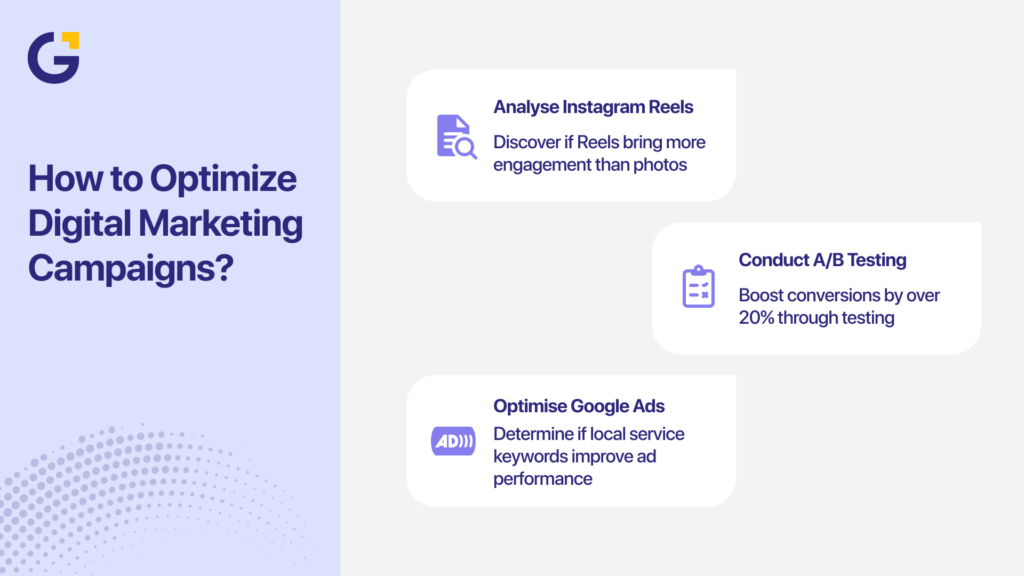
A business owner in Sydney might discover that Instagram Reels bring more engagement than photos, or that Google Ads perform better with local service keywords. Adjusting based on these insights improves results without increasing costs.
Optimisely reports that A/B testing can boost conversions by over 20%, which proves the value of analysing data.
Top Tools Every Digital Marketer Should Know
Digital marketers rely on tools to simplify tasks. In 2026, the most useful tools include Canva for design, Grammarly for writing, Ahrefs for SEO, and Google Ads for paid campaigns. HubSpot and Klaviyo help automate email journeys and nurture leads.
These tools make it easier to create content, test ideas, and optimise performance. Beginners don’t need to use everything at once. Start with a few essentials and expand as your skills grow.
Career Paths in Digital Marketing (Freelancer, Agency, In-House)
Digital marketing opens doors to diverse career paths. Freelancers set their own schedules and work with different clients. Agency roles offer exposure to multiple industries and rapid skill development. In-house roles allow you to specialise deeply in one brand’s strategy.
In Sydney, demand for digital marketing skills is rising across hospitality, real estate, health, retail, and tech. Because businesses depend on digital channels, marketers enjoy long-term career stability.
Common Mistakes Beginners Should Avoid
Many new marketers make the same mistakes. Knowing them early helps you avoid frustration.
- Trying to use every channel at once
- Skipping strategy and jumping straight into ads
- Ignoring analytics and results
- Focusing on viral trends instead of consistency
- Using a slow or unclear website
Beginners who avoid these mistakes learn faster and see better results in less time.
How to Keep Up with Trends and AI Tools in 2026
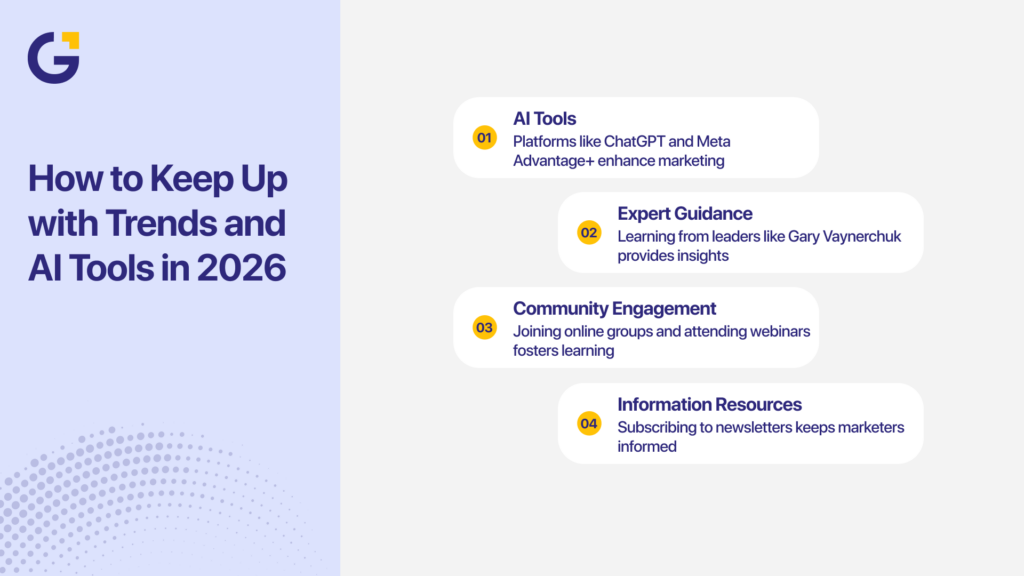
AI tools are shaping digital marketing more each year. Beginners should stay updated with platforms like ChatGPT, Google AI Overview, Meta Advantage+, and TikTok’s Creative Centre. These tools improve content ideas, ad targeting, automation, and reporting.
Following experts like Gary Vaynerchuk, Rand Fishkin, and Neil Patel can offer guidance on trends. Joining online communities, watching webinars, and subscribing to industry newsletters help beginners stay ahead of changes.
How Genix Digital Helps Marketers and Businesses Grow
Genix Digital supports small businesses and beginner marketers by offering SEO, ad management, website design, content creation, and social media planning. The agency focuses on affordability for SMEs while delivering strong technical execution across all channels.
Beginners who want professional guidance can work with Genix Digital to create a digital strategy, upgrade their website, or manage ongoing campaigns. The agency acts as a growth partner for businesses ready to take their marketing further.
Final Thoughts – The Future Belongs to Digital-First Thinkers
Starting in digital marketing in 2026 is easier than most beginners expect. Once you understand the core channels and build a simple online presence, the rest comes down to practising, analysing your results, and improving week by week. You don’t need advanced tools or complicated strategies to make progress, just a clear goal, a basic plan, and a willingness to learn. Digital marketing rewards consistency, curiosity, and small daily actions, making it a skill that anyone can build with time.
If you want guidance as you get started, Genix Digital can help you plan your strategy, set up your website, and manage the channels that drive the most results. Book a free consultation to get personalised advice for your business, or subscribe to our guides to learn practical digital marketing steps you can apply right away.
FAQs
Q1. How do I begin my career in digital marketing?
Start by learning the fundamentals of SEO, social media, content creation, paid ads, and analytics. Build hands-on experience through a personal project, internship, or freelance work. Consistency matters more than formal qualifications, and even small early wins can help you grow fast.
Q2. Can I start digital marketing with no experience?
Yes. Many digital marketers begin with zero background. Free courses, practice projects, and online tools make it accessible for anyone. What matters most is your willingness to test ideas, analyse results, and keep improving.
Q3. Is digital marketing easy for beginners?
Digital marketing is easy to start, but takes time to master. With clear goals and simple tasks like posting content or improving a website, beginners can learn quickly. The challenge comes from staying updated, as trends and tools change often.
Q4. Do digital marketers get paid well?
Yes. Digital marketing offers strong earning potential because businesses rely on online visibility to grow. Beginners start modestly, but salaries increase quickly with experience in SEO, ads, analytics, or content strategy.
Q5. What are the 5 basic digital skills?
The five essential skills are: understanding SEO, creating useful content, managing social media, running paid ads, and reading analytics. These basics allow beginners to work across multiple channels and grow into specialised roles.


 13 Mar 2026
 11 Min Read