
Building a professional website in 2026 isn’t just about looks; it’s about performance, usability, and credibility. In today’s fast-paced market, Australian consumers expect sites to load in under three seconds, look great on mobile, and guide them clearly toward a purchase or enquiry. According to HubSpot, 88% of users won’t return after a bad experience. That’s why this website design complete guide will walk you through every stage of creating a site that attracts visitors, converts leads, and reflects your brand, whether you’re a small business owner, startup founder, or marketer.
Why Great Web Design Matters in 2026
Web design trends evolve fast. With AI-powered tools, Google’s UX-centric updates, and the continued dominance of mobile browsing, a high-performing website is more critical than ever. Brands like Apple, Canva, and Airbnb set the standard for intuitive design, and even small businesses can achieve similar polish with the right planning.
As digital marketing expert Neil Patel often notes, great web design isn’t just about aesthetics; it’s about user trust, conversions, and SEO performance. Businesses that invest in user-focused design see stronger engagement and long-term growth.
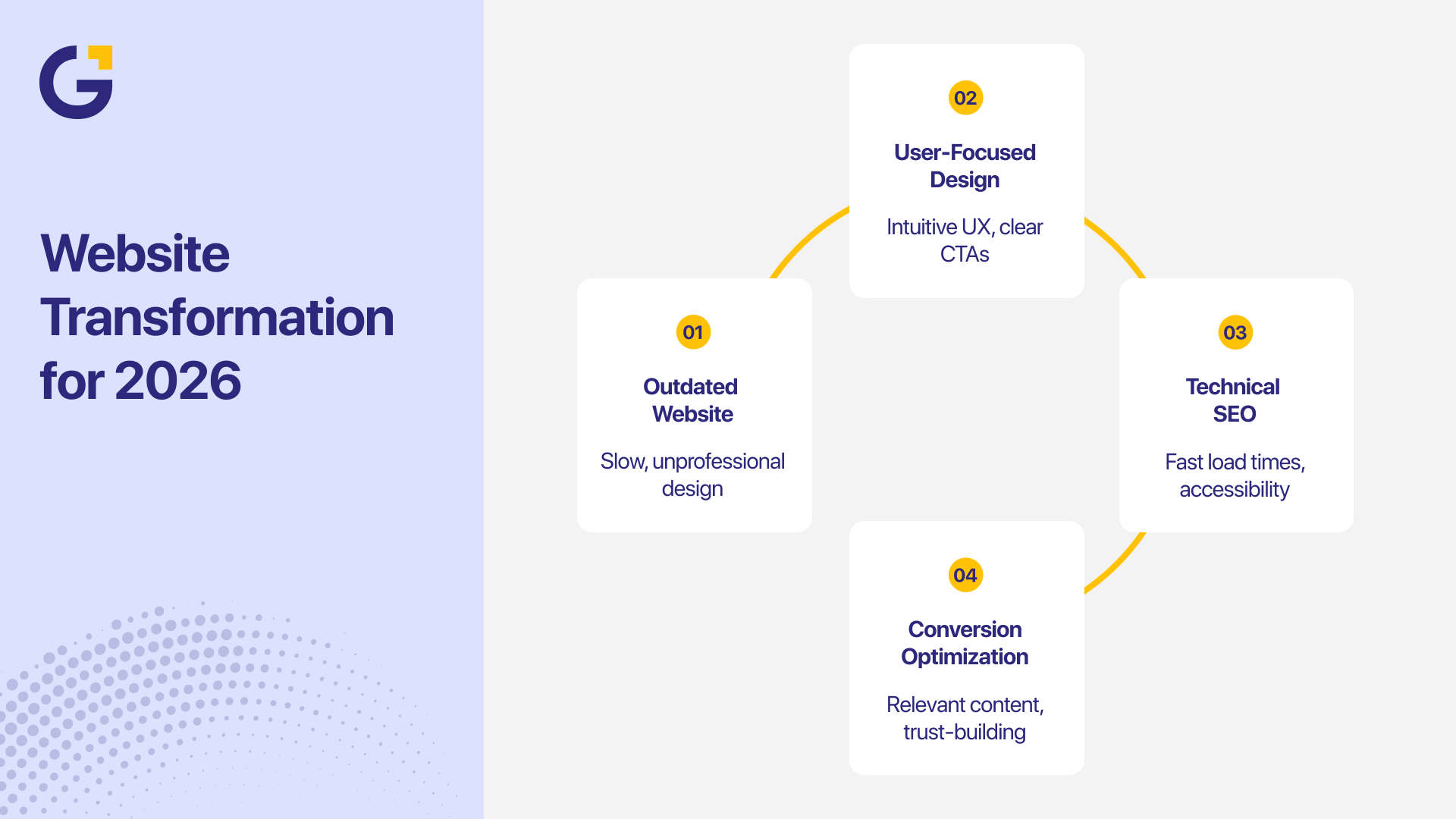
In 2026, your website acts as your 24/7 salesperson. It shapes first impressions, supports SEO visibility, and anchors every marketing effort. A modern, conversion-ready website helps your business:
- Build trust instantly with professional design and fast load times.
- Rank higher on Google through technical SEO and accessibility.
- Convert visitors into customers with clear calls-to-action and relevant content.
If you’re ready to elevate your business presence online, follow this step-by-step guide.
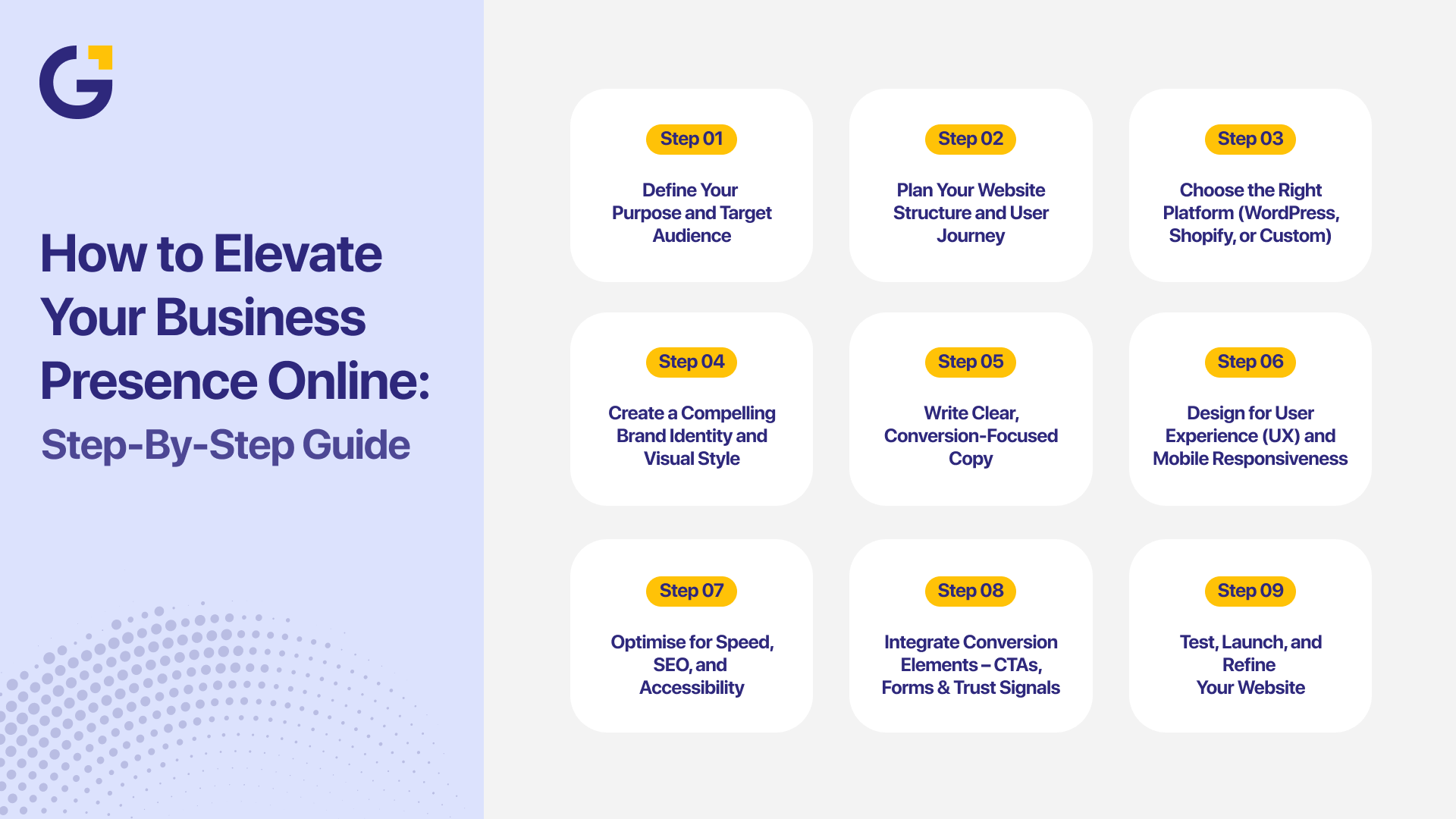
Step 1: Define Your Purpose and Target Audience
Every great website starts with clarity. Ask: What is this site meant to achieve? Whether it’s driving leads, selling products, or building credibility, your design choices will depend on that goal.
For example, a Sydney construction company may want lead-capture forms and project galleries, while a café owner may need an easy-to-update menu and booking function.
To define your audience:
- Create simple buyer personas (age, job role, pain points, goals).
- Identify their browsing habits, like mobile vs. desktop, search vs. social.
- Research competitors’ websites to find gaps and opportunities.
Pro tip: Genix Digital often begins projects with a discovery session to align design, content, and goals before a single line of code is written.
Step 2: Plan Your Website Structure and User Journey
A website without a clear structure confuses visitors. Create a sitemap outlining the major pages: Home, About, Services, Blog, and Contact.
Map out the user journey: how someone moves from the homepage to a goal (e.g., a purchase or enquiry). Use free tools like Miro or Lucidchart to visualise this flow.
Example:
- Homepage → Services
- Services → Case Studies
- Case Studies → Contact Form
Include logical navigation and internal links. Clear menus and breadcrumb trails improve SEO and usability.
Step 3: Choose the Right Platform (WordPress, Shopify, or Custom)
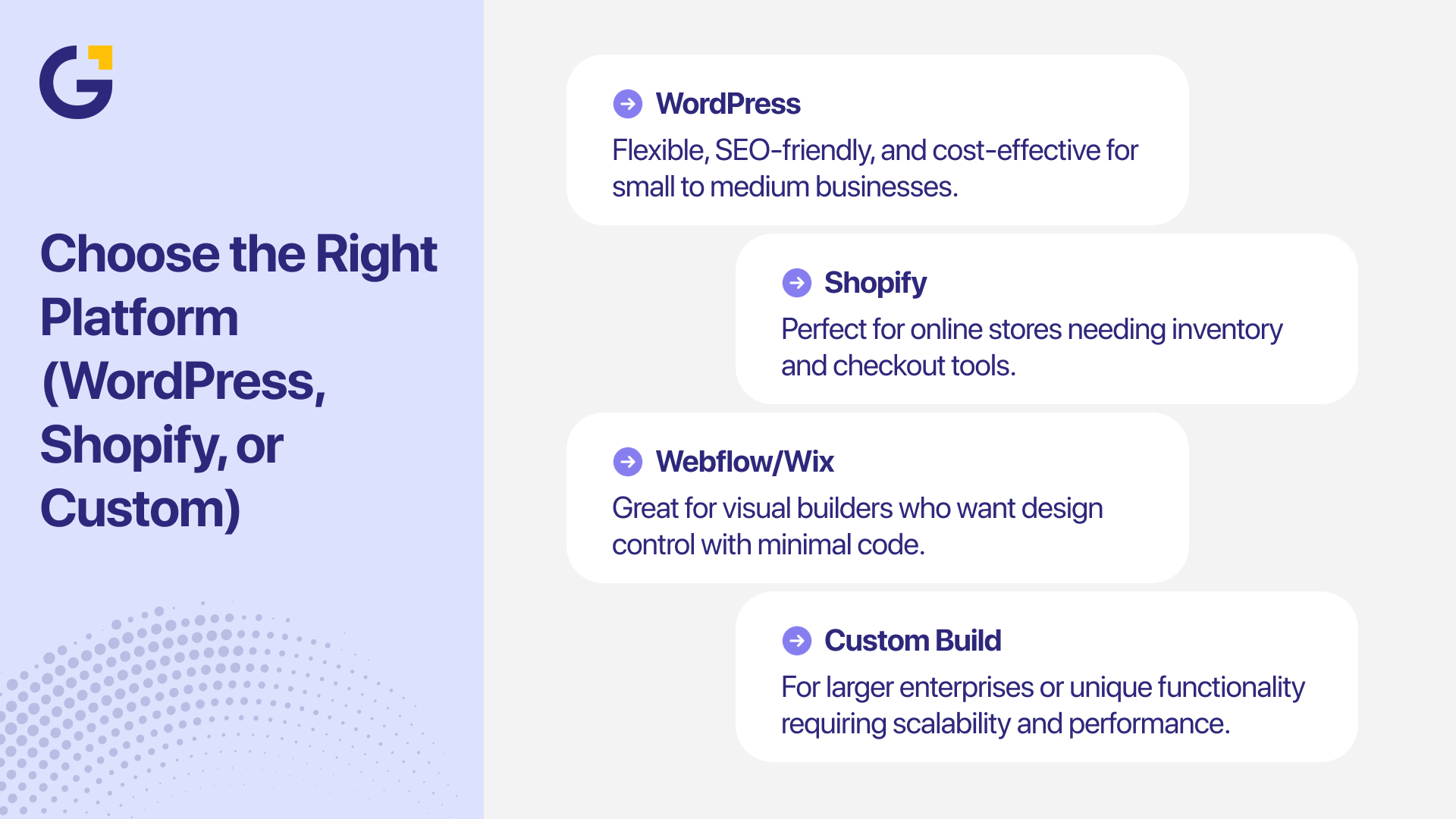
The best platform depends on your goals, budget, and technical needs:
- WordPress: Ideal for most small to medium Australian businesses. Flexible, SEO-friendly, and cost-effective.
- Shopify: Perfect for online stores and e-commerce startups needing inventory and checkout tools.
- Webflow/Wix: Great for visual builders who want design control with minimal code.
- Custom Build: For larger enterprises or unique functionality. Genix Digital’s developers often build custom systems for scalability and performance.
Statistic: As of 2026, WordPress powers over 43% of all websites globally, proving its ongoing dominance.
Step 4: Create a Compelling Brand Identity and Visual Style
Your website should look and feel like you. Consistent branding builds trust and recall.
Key elements include:
- Colour palette: Reflects your industry and brand personality.
- Typography: Choose readable fonts that align with your tone.
- Imagery: Use real photos when possible; stock images feel generic.
- Logo and spacing: Maintain breathing room to avoid clutter.
If you’re unsure, consider working with a digital agency like Genix Digital to develop brand strategy and style guides that extend from the web to social channels.
Step 5: Write Clear, Conversion-Focused Copy
Strong copy turns browsers into buyers. Avoid long paragraphs of jargon. Instead:
- Use simple, direct language.
- Address customer needs before talking about your business.
- Add calls-to-action such as “Book a Consultation” or “Get a Quote.”
- Keep headlines between 6–10 words for clarity and scanability.
Example: Instead of “Our Services Are Industry-Leading,” write “Websites Built to Win You More Clients.”
Tools like Grammarly and Hemingway can help keep the tone conversational.
Step 6: Design for User Experience (UX) and Mobile Responsiveness
Based on data from Statista and related reports, mobile devices generate well over 60% of global web traffic, making responsive design a necessity, not an option. Test your website across different screen sizes and devices.
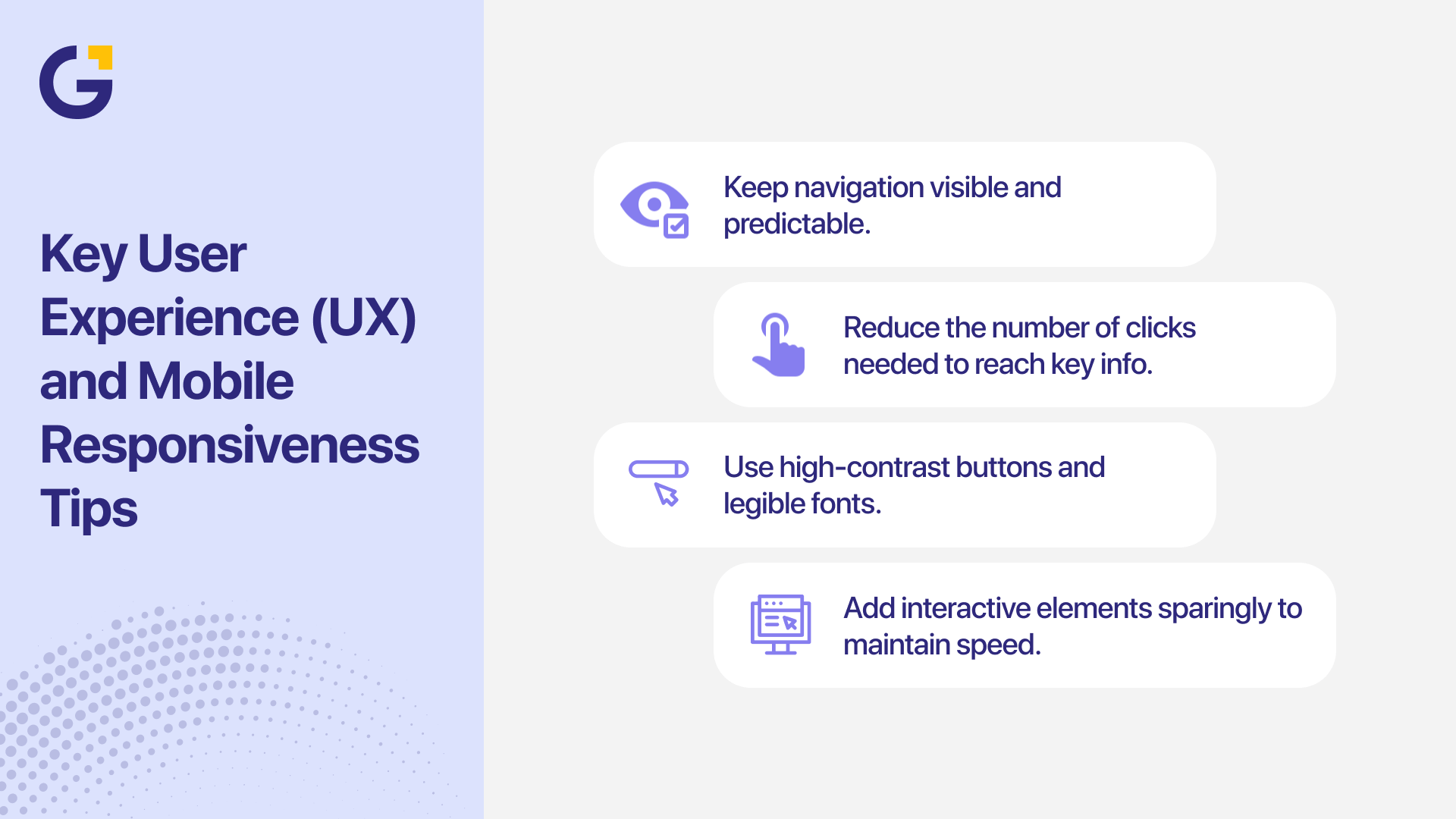
Key UX tips:
- Keep navigation visible and predictable.
- Reduce the number of clicks needed to reach key info.
- Use high-contrast buttons and legible fonts.
- Add interactive elements sparingly to maintain speed.
Step 7: Optimise for Speed, SEO, and Accessibility
A beautiful site means little if it loads slowly or isn’t found by search engines. Speed, SEO, and accessibility go hand-in-hand.
To optimise:
- Compress images (use WebP format).
- Implement caching and a content delivery network (CDN).
- Write descriptive title tags and meta descriptions.
- Add alt text for all images (for SEO and screen readers).
- Test site accessibility using WAVE or Lighthouse tools.
Fast websites retain users longer. Google reports that a 1-second delay can cut conversions by 7%.
Step 8: Integrate Conversion Elements – CTAs, Forms & Trust Signals
Each page should nudge visitors toward action. Place CTAs (calls-to-action) above the fold, within the content, and at the bottom.
Examples of trust-building elements:
- Customer testimonials and Google reviews.
- Security badges and SSL certificates.
- Client logos or media mentions.
- Fast, easy-to-use forms.
For Australian businesses, trust signals like local phone numbers, “Proudly Serving NSW,” and verified addresses help build confidence.
Step 9: Test, Launch, and Refine Your Website
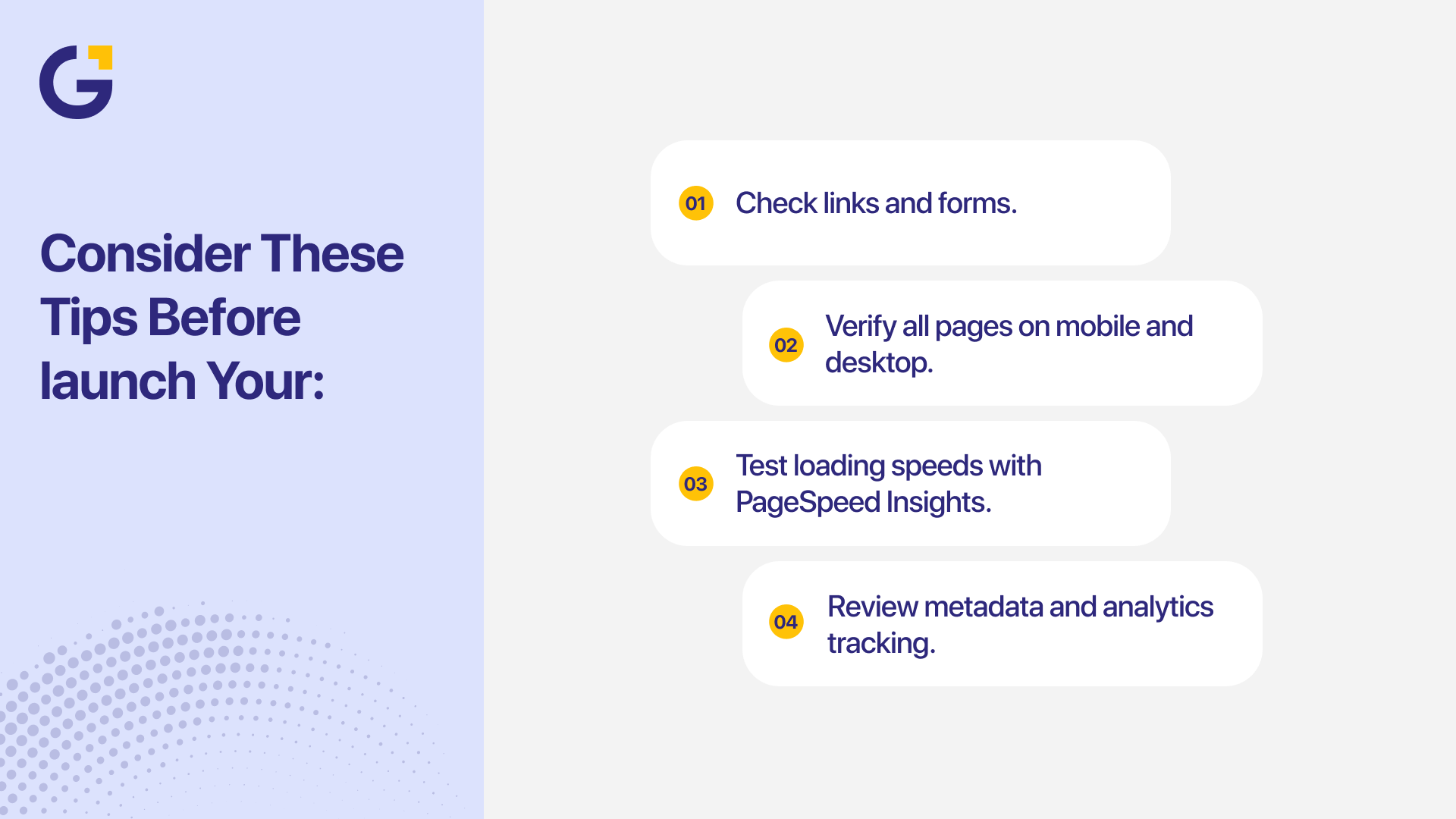
Before launching:
- Check links and forms.
- Verify all pages on mobile and desktop.
- Test loading speeds with PageSpeed Insights.
- Review metadata and analytics tracking.
After launch, monitor user behaviour in Google Analytics 4. Identify which pages perform best and where users drop off.
Agencies like Genix Digital run post-launch reviews to keep sites aligned with Google algorithm updates and client goals.
Common Mistakes to Avoid When Designing a Website
Avoiding these pitfalls saves time and cost:
- Ignoring mobile users.
- Using too many fonts or colours.
- Forgetting on-page SEO basics.
- Skipping SSL or slow hosting.
- Neglecting updates: outdated plugins can break your site.
Remember: A good site is always a living project. It evolves with your business and technology.
Top Web Design Trends for 2026
Here’s what’s shaping design this year:
- AI-Assisted Design: Tools like Figma AI and Framer AI speed up workflows.
- Micro-interactions: Subtle animations enhance user engagement.
- Dark Mode Compatibility: Easier on eyes, popular with younger users.
- Minimalism + Speed: Simpler layouts improve loading times and focus.
- Sustainability: Green hosting and efficient coding to reduce carbon impact.
According to Adobe’s 2026 UX Report, 71% of users prefer websites that feel personalised yet minimalistic, a trend Australian designers are embracing fast.
How Genix Digital Builds High-Performing Websites for Australian Businesses
At Genix Digital, it is both art and strategy. The agency’s Sydney team combines UX design, technical SEO, and conversion-focused copywriting to create websites that don’t just look good, but they perform.
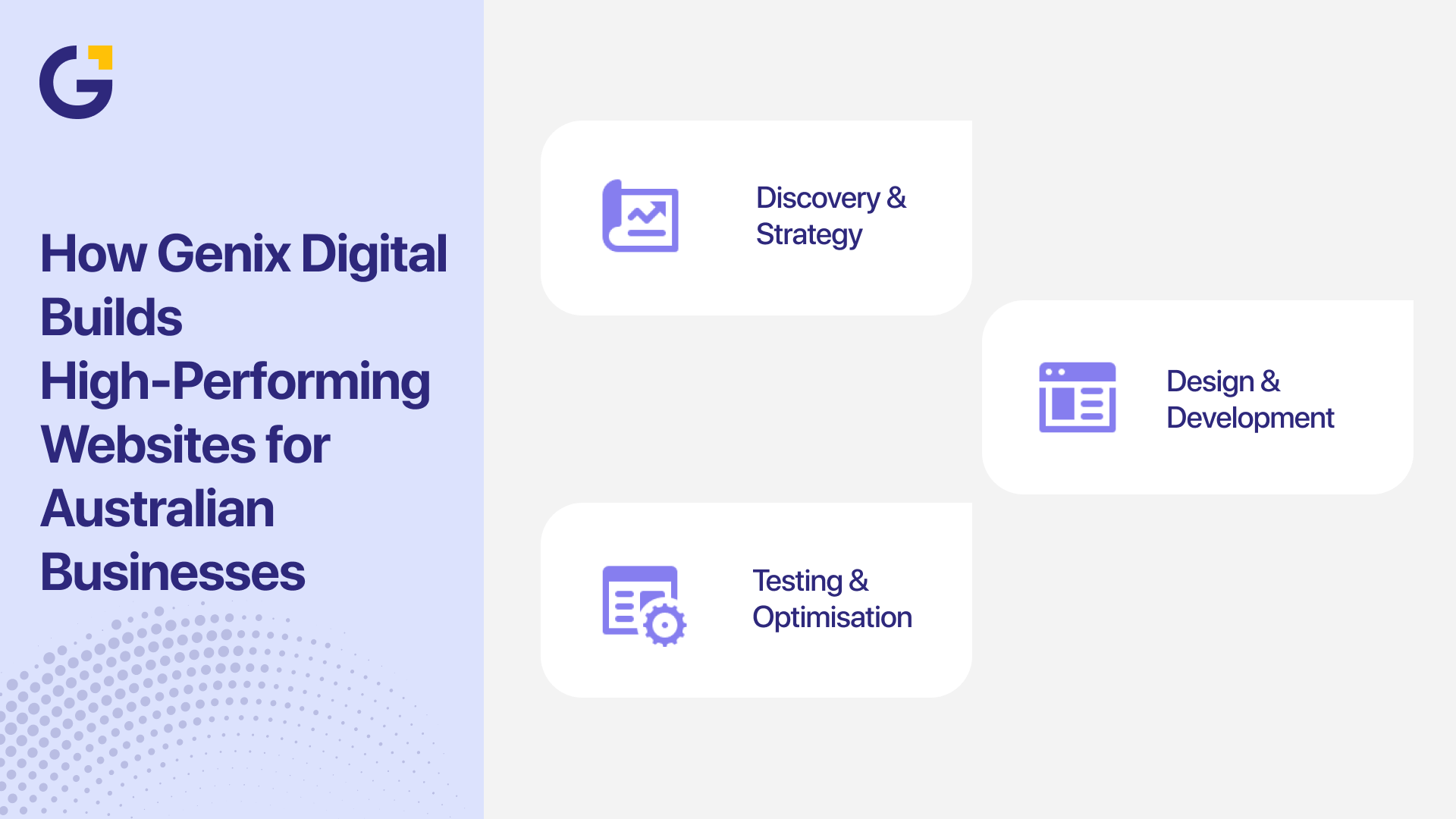
Their process includes:
- Discovery & Strategy: Understanding your business goals and audience.
- Design & Development: Creating responsive, fast, and visually consistent pages.
- Testing & Optimisation: Continuous improvements for SEO and UX.
Whether you’re launching a new business or refreshing an outdated site, Genix Digital offers end-to-end solutions that deliver measurable results.
Final Thoughts - Your Website Is Your Best Salesperson
In 2026, your website is your most powerful marketing tool. With clear goals, strong user experience, and consistent optimisation, it can help you attract, engage, and convert the right audience. A well-designed site builds credibility, enhances visibility, and keeps your business competitive in Australia’s fast-moving digital market.
At Genix Digital, we specialise in helping Australian small medium medium-sized businesses design and develop high-performing websites that drive measurable growth. Our team blends modern design principles, SEO strategy, and conversion-focused development to create sites that deliver real results. If you’re ready to take the next step, subscribe to more digital marketing guides or book a free consultation with Genix Digital to start planning your Australian web design project today.
FAQs
Q1. What are the 7 steps in creating a website?
The seven main steps are: defining your goal, planning the site structure, choosing a platform, designing the layout, writing clear content, optimising for SEO, and testing before launch. Each stage ensures your website is both user-friendly and effective in converting visitors into customers.
Q2. What are the 5 golden rules of web design?
The five golden rules are simplicity, consistency, visual hierarchy, readability, and fast performance. A great website uses clean layouts, easy navigation, and consistent branding to create a seamless experience that helps users find what they need quickly.
Q3. How to create a website step by step for beginners?
Start by choosing a domain name and reliable hosting, then pick a platform such as WordPress or Shopify. Design pages with your target audience in mind, add essential content, test for mobile responsiveness, and optimise your site for SEO and speed before launching.
Q4. Can ChatGPT actually create a website?
ChatGPT can assist by generating content, layout ideas, or even helping write basic code, but it can’t fully build and host a site on its own. For a professional, functional result, you’ll still need a developer or agency like Genix Digital to handle technical setup and optimisation.
Q5. What are the 7 C’s of a website?
The 7 C’s of website design are: Context, Content, Community, Customisation, Communication, Connection, and Commerce. These principles help balance functionality with user engagement, making your site appealing, interactive, and results-driven for your target audience.





 4 Mar 2026
 8 Min Read