


If you’re feeling overwhelmed by algorithm changes, constantly evolving trends, or the pressure to post daily, you’re not alone. Many small businesses struggle to stay consistent or know where to start. This guide breaks everything down into simple steps you can follow, helping you understand what to post, where to post it, and how to build a strategy that supports real growth in 2026.
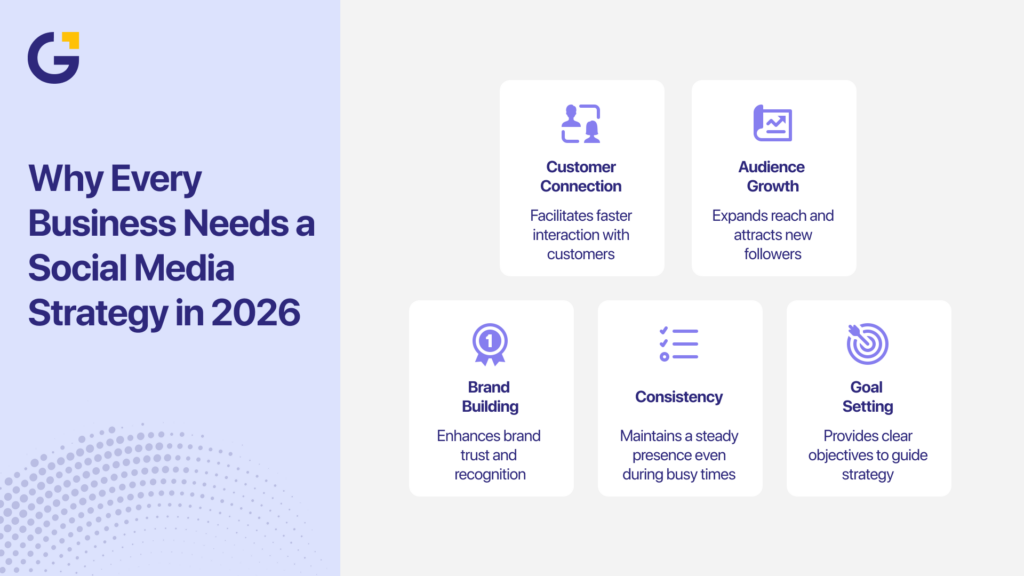
Why Every Business Needs a Social Media Strategy in 2026
Social media connects businesses with customers faster than any other marketing channel. According to the Digital 2024: Australia report, over 82% of Australia’s total internet user base used at least one social media platform in January 2024. This means most customers are already online, already searching, and already engaging with brands.
Think of a local example: A small beauty salon in Sydney might rely on walk-ins and word of mouth. Without a strategy, their posts feel random and reach very few people. But when they plan out topics, shoot short videos, and use trending sounds, they grow faster. Their audience becomes more loyal, and new clients discover them.
A strategy brings direction. It turns random posting into predictable growth. It also saves time because you know what to post, when to post, and why it matters.
A clear social strategy helps you:
- Build trust with your audience
- Reach more people without spending more
- Grow your brand in a predictable way
- Convert more followers into paying clients
And most importantly, it keeps you consistent even during busy weeks.
Before you start planning content, you need clear goals that guide every step of your strategy.
Step 1: Define Your Goals and Success Metrics
Your goals shape your entire social marketing plan. Without goals, you post without purpose. With goals, every post has direction.
Here are strong examples of beginner-friendly goals for 2026:
- Increase website traffic by 25% in three months
- Reach 2,000 Instagram followers by the end of the quarter
- Generate 40 leads per month from Facebook Ads
- Improve LinkedIn engagement to 4–5% per post
- Sell 100 products through TikTok Shop each month
For example, a landscaping company in Sydney wants more local enquiries. Their main goal: 20 quote requests per month. This guides their content style, call-to-actions, ad targeting, and posting schedule.
Clear goals help you choose what to track, what to change, and what success looks like.
Step 2: Understand Your Target Audience and Platforms
Great content is based on understanding who you want to reach. When you know your audience, you know what to post.
Here are key details to identify:
- Age and location
- Interests and hobbies
- Pain points and struggles
- What content do they enjoy
- Which platforms do they use most
Examples:
- IT companies: reach more people on LinkedIn
- Retail brands: grow best on Instagram and TikTok
- Hospitality and cafés: perform well on Instagram Reels
- Trades and home services: Facebook remains the strongest
For example, a local retail store targeting women aged 20–35 often sees the best performance on Instagram and TikTok. This group spends the most time on Instagram and TikTok, so those become the boutique’s main platforms.
Knowing your audience shapes your tone, content formats, and posting frequency.
Step 3: Analyse Competitors and Industry Trends
Competitor analysis helps you understand what is working in your industry right now. This is especially important because trends move quickly. TikTok challenges, AI-generated photos, micro-influencer campaigns, and short-form videos shape how brands communicate.
Brands like Nike, Airbnb, and Sephora often set global content standards. Smaller brands can learn from them by studying what gets the most saves, shares, and comments.
How to study competitors?
Look at their most popular posts, the style of writing, the platforms they use, and how often they post. Tools like Meta Ad Library, BuzzSumo, and TikTok Creative Center help you see what is trending.
To stay ahead in 2026, follow industry reports and use Google Trends to see what your audience searches for.
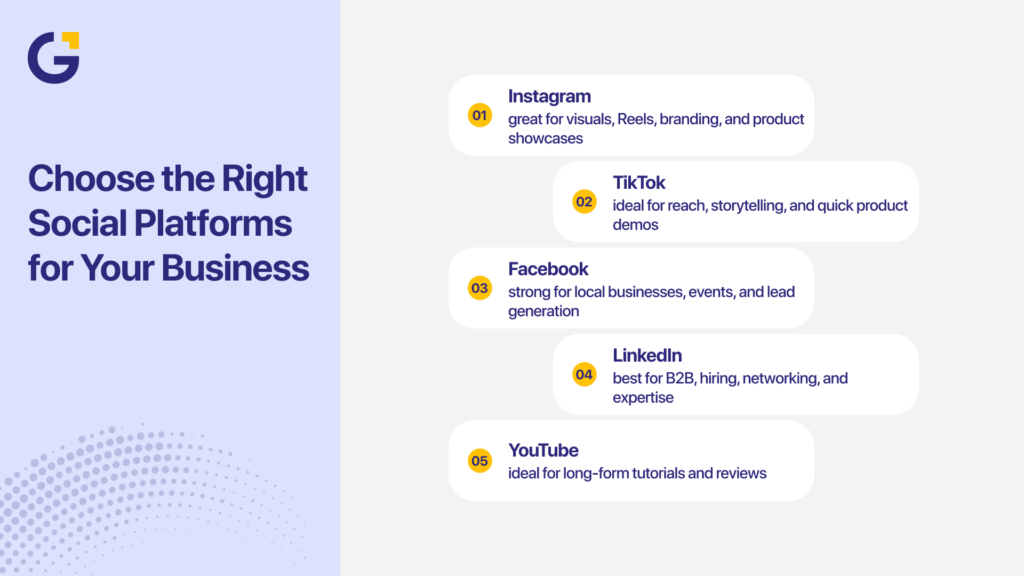
Step 4: Choose the Right Social Platforms for Your Business
You do not need to be on every platform. You only need the platforms that your audience uses the most.
Here’s a clear look at platform strengths:
- Instagram: great for visuals, Reels, branding, and product showcases
- TikTok: ideal for reach, storytelling, and quick product demos
- Facebook: strong for local businesses, events, and lead generation
- LinkedIn: best for B2B, hiring, networking, and expertise
- YouTube: ideal for long-form tutorials and reviews
Let’s say a dental clinic in Sydney chooses Facebook for community posts, Instagram for before-and-after photos, and TikTok for bite-sized dental tips.
Choosing fewer platforms helps you stay consistent and reduces overwhelm.
Step 5: Craft Your Brand Voice and Visual Identity
Brand voice is how your business sounds online. Visual identity is how it looks. Both help your audience recognise your posts instantly.
Think of brands like Aussie Broadband, Bunnings, or Mecca; each of them uses clear colours, tones, and styles that align with their customers.
Your brand voice should sound like a real person. It might be friendly, warm, professional, or energetic. The key is staying consistent.
Your visual identity includes colours, photography style, fonts, and layout templates. When your visuals stay consistent, people remember your brand faster.
Step 6: Plan Your Content Mix
Your content mix keeps your page interesting. A balanced mix helps you educate, entertain, and convert followers into real customers.
Here are key content categories to include:
- Educational content
- Entertaining content
- Promotional content
- Engagement-focused content
- Community posts
- Testimonials and social proof
For example, a café might share staff stories, behind-the-scenes videos, daily specials, latte art tips, and customer reposts.
Step 7: Create a Consistent Posting Schedule
You do not need to post every day. You only need to post consistently. Algorithms reward accounts that show steady activity.
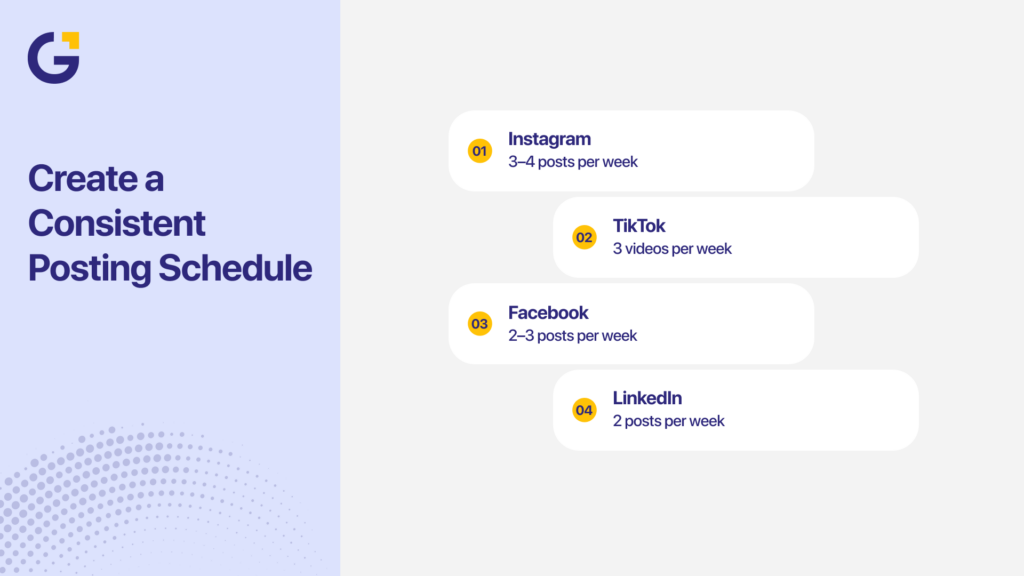
Here’s a simple weekly rhythm for small businesses:
- Instagram: 3–4 posts per week
- TikTok: 3 videos per week
- Facebook: 2–3 posts per week
- LinkedIn: 2 posts per week
For instance, a physiotherapy clinic plans one month of content using a shared calendar. This keeps their posts consistent even during busy weeks.
Good tools for planning include Meta Business Suite, Buffer, and Later.
Step 8: Use Paid Ads to Amplify Your Reach
Paid ads help you reach new people quickly. Meta, TikTok, and Google are all improving their ad systems with AI.
Useful ad formats for 2026 include:
- Facebook Lead Ads
- TikTok Spark Ads
- Instagram Reels Ads
- YouTube Shorts Ads
- LinkedIn Lead Forms
Mini-scenario: A gym in Parramatta runs Facebook Lead Ads and gets 60 trial sign-ups each week. Paid ads turn social into a steady lead source.
Step 9: Engage, Respond, and Build Community
Engagement is one of the most important parts of any social media strategy because it shows your audience that you’re paying attention. When you reply to comments, react to stories, or answer questions quickly, people feel seen and valued. This simple act can be the difference between someone scrolling past your post and someone choosing your business over a competitor.
A simple way to view engagement is to treat every comment as the start of a potential customer conversation. Responding keeps the conversation going and builds trust. If someone tags your business in a post, share it. If a customer leaves a positive review, thank them publicly. These small moments create a positive impression and make your brand feel more human.
Community-building also helps your content reach more people. Platforms reward accounts that have active conversations because it signals real interest. When you take time to talk to your audience, you strengthen your reputation, improve visibility, and turn casual followers into loyal fans who support your business long-term.
Step 10: Track Performance and Optimise
Tracking performance shows what works and what needs to change. It also saves time because you stop doing what does not bring results.
Look at engagement, reach, link clicks, video watch time, ad cost, and conversions. According to HubSpot’s 2024 Video Marketing Report, short-form video delivers the highest engagement and ROI of any content format, making it one of the most effective ways for businesses to grow their reach.
When you analyse your results each month, your content becomes stronger and more predictable.
Common Mistakes to Avoid
Many businesses fall into the same traps. Watch out for these:
- Posting without clear goals
- Choosing too many platforms
- Ignoring analytics
- Posting only promotional content
- Not using video
- Running ads without a proper landing page
Avoiding these helps your strategy work faster.
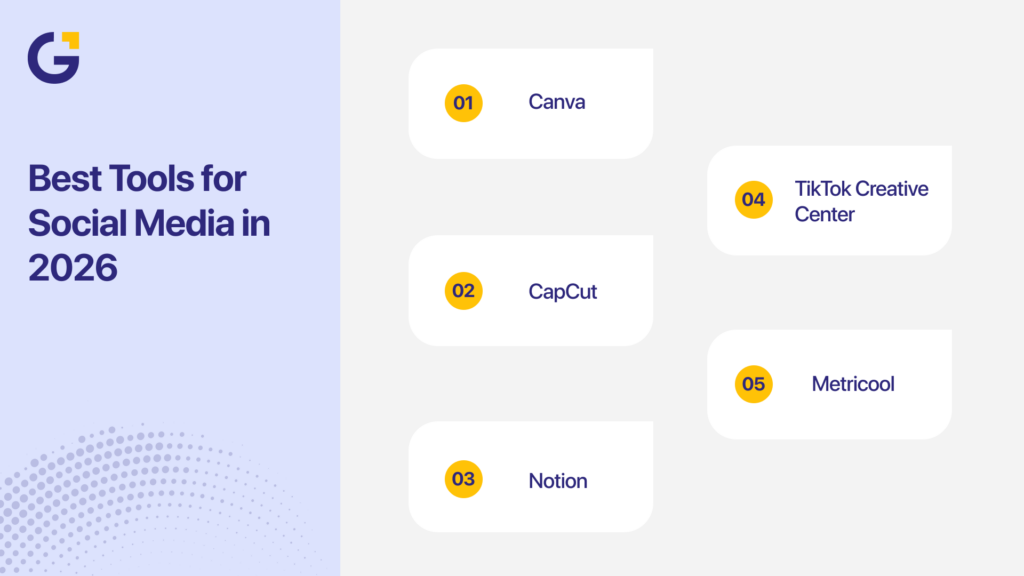
Best Tools for Social Media in 2026
Choosing the right tools can save you hours each week and make social media easier to manage. Many small businesses struggle with design, editing, planning, and tracking results, so using beginner-friendly tools helps simplify the process.
- Canva is one of the best tools for creating posts, stories, ads, and Reels. It offers ready-made templates that help you design professional content without needing graphic design skills.
- CapCut is a simple video editor that works well for TikTok and Instagram Reels. It lets you trim clips, add captions, and use trending effects so your videos look polished and engaging.
- Notion helps plan your content calendar and store ideas in one place. It keeps your workflow organised, especially if you create content in batches.
- TikTok Creative Center is useful for spotting trends. It shows trending sounds, hashtags, and topics so your content stays relevant and reaches more people.
- Metricool helps with scheduling your posts and tracking performance. It shows clear insights into what is working and when your audience is most active, making it easier to adjust your strategy over time.
These tools help small businesses stay consistent, create better content, and manage their pages more efficiently in 2026.
How Genix Digital Builds Social Media Strategies
Genix Digital works closely with SMEs across Sydney and Australia to create social media strategies that are practical, structured, and built for real results. Instead of using generic templates, our team studies your audience, industry, competitors, and current performance to understand what your business actually needs.
We develop clear content plans, refine your brand voice, design your visual identity, and map out the posts, videos, and messages that fit your goals. Everything is tailored, easy to follow, and backed by research into current trends and platform changes.
We also manage the day-to-day tasks that many small businesses don’t have time for, including content creation, scheduling, paid ads, and community engagement. Every month, we share transparent reports so you always know what’s working and what needs improvement.
If your business needs clarity, confidence, and a partner that treats your success like a priority, Genix Digital is here to help you build a social presence that grows with you.
Final Thoughts — Build a Strategy That Works
A strong social media strategy helps your business stay consistent, reach the right people, and create content that supports real growth. You don’t need to be active on every platform or chase every trend. What matters most is having a clear plan, understanding your audience, and taking steady action each week. With the right approach, social media becomes less overwhelming and more of a predictable driver of leads, visibility, and trust for your business.
If you want support creating a strategy that matches your goals and industry, Genix Digital can help. Our team builds clear, practical, and data-driven social media plans for Australian SMEs, backed by real reporting and ongoing optimisation. Subscribe for more guides or book a free consultation with Genix Digital to get started.
FAQs
Q1. What is a social media strategy?
A social media strategy is a clear plan for what you will post, who you want to reach, and what goals you want to achieve. It guides your content, scheduling, tone, and engagement. A good strategy helps you stay consistent and turn social media into a real driver of results for your business.
Q2. What are the 5 steps to creating a social media strategy?
The five basic steps are setting your goals, understanding your audience, choosing the right platforms, planning your content, and tracking your results. These steps give you a simple framework to build structure and consistency. They’re ideal for beginners who want a clear starting point.
Q3. What are the four stages of social media strategy?
The four stages are planning, creating, publishing, and measuring. This cycle helps you stay organised and understand what works over time. Each stage supports the next, so your strategy continues to improve.
Q4. What is the 50/30/20 rule in social media?
The 50/30/20 rule suggests posting 50% valuable content, 30% shared or curated content, and 20% promotional content. It helps keep your feed balanced and engaging. This rule is useful for businesses that want to avoid overselling.
Q5. What are the 7 steps to creating a social media strategy?
The seven steps usually include setting goals, learning about your audience, studying competitors, choosing platforms, planning content, scheduling posts, and reviewing performance. These steps help you build a complete and repeatable process. They are ideal for businesses that want a more detailed structure.





 26 Jun 2025
 8 Min Read