

Best Marketing Automation Tools in Australia for 2026
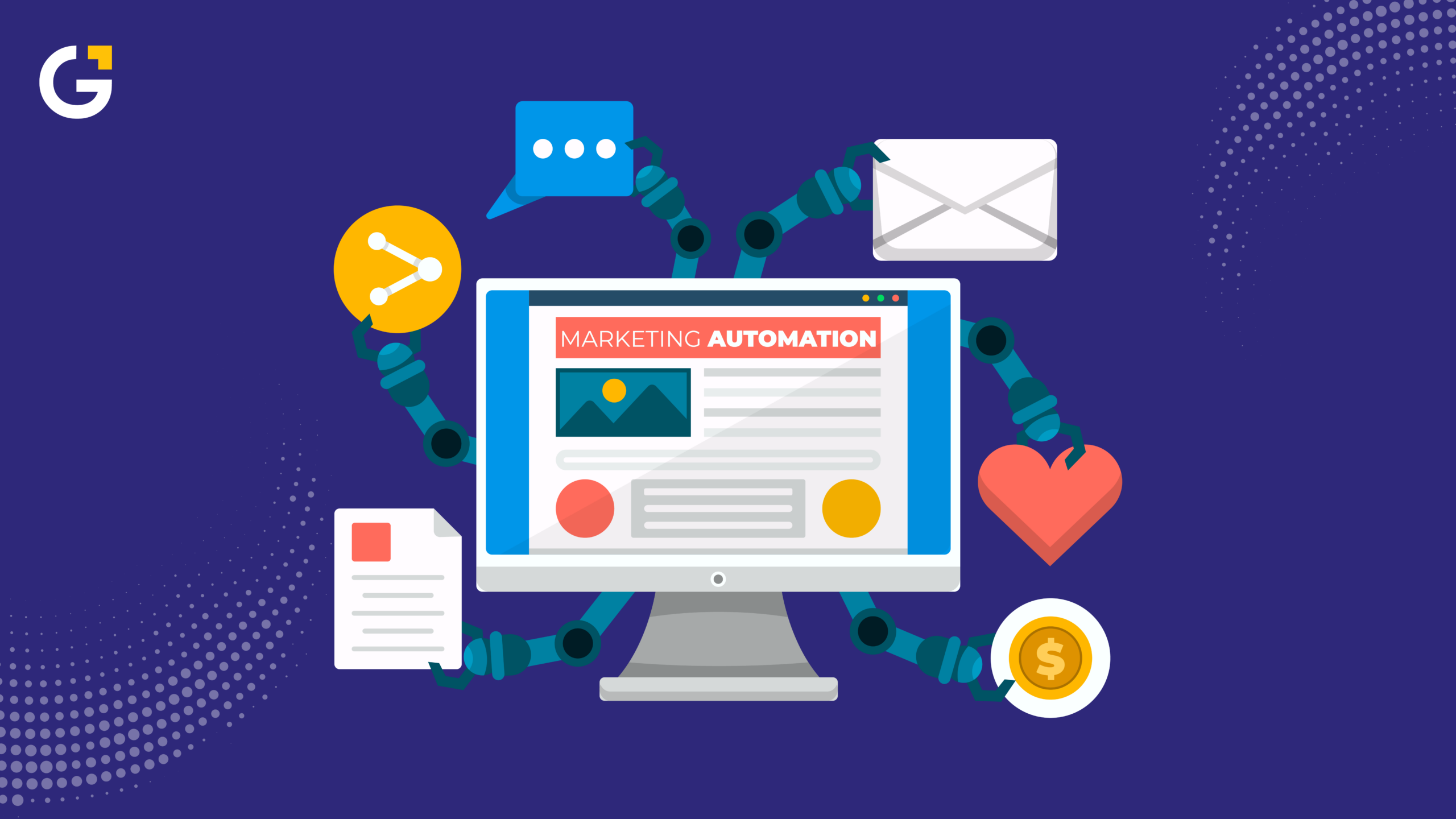
Australian businesses are investing more heavily in automation as customer expectations continue to rise across email, search, social media, ecommerce, and customer support channels. Many SMEs now rely on marketing automation tools Australia businesses use to improve lead generation, customer retention, reporting, and campaign efficiency without significantly increasing internal workload. The challenge is not simply choosing software. The real challenge is selecting automation platforms that match your business size, customer journey, reporting needs, and growth goals. Some tools work well for e-commerce automation, while others focus more on CRM automation tools, lead nurturing automation, or multichannel campaign management. Businesses that align automation with strong SEO, content marketing, and customer acquisition strategies often see better long-term results than companies that adopt software without a clear plan. Businesses looking to improve workflow automation, customer engagement, lead nurturing, and reporting often benefit from reviewing how their SEO, content marketing, CRM systems, and paid campaigns work together before choosing new automation software. What Is Marketing Automation and How Does It Work? Marketing automation is the process of using software to automate repetitive marketing tasks such as email campaigns, lead nurturing, customer segmentation, CRM updates, and campaign reporting. Modern automation software Australia businesses use also supports customer journey automation, behavioural targeting, lead scoring tools, and multichannel communication workflows. Many Australian SMEs first associate automation with email campaigns. However, modern automation platforms Australia companies use now integrate across websites, social media, CRM software, ecommerce platforms, paid ads, and analytics tools. Instead of manually responding to every enquiry or follow-up, businesses can build workflow automation marketing systems that trigger personalised communication based on customer behaviour. Common Marketing Tasks Businesses Automate Automation tools are commonly used to reduce repetitive manual work while improving consistency and response times. Businesses that generate frequent enquiries, online sales, or recurring customer interactions often see the greatest operational benefits. Common automation workflows include: These workflows help businesses respond faster and create more consistent customer experiences across multiple channels. Why Automation Is More Than Just Email Marketing Modern digital marketing automation tools Australia businesses use now connect marketing, sales, reporting, and customer management together. CRM automation tools can automatically assign leads to sales staff, update pipeline stages, trigger follow-up reminders, and personalise campaigns based on customer activity. This broader approach is important because automation alone does not create growth. Mark Ritson has repeatedly argued that businesses often fail when they adopt marketing technology before developing clear positioning and customer strategies. Automation works best when it supports existing business goals rather than replacing strategic thinking. Benefits of Marketing Automation for Australian Businesses Marketing automation helps Australian businesses improve efficiency, customer retention, lead management, and reporting while reducing repetitive admin tasks. Businesses using customer journey automation and lifecycle marketing systems can often improve response times, increase conversion rates, and manage larger lead volumes without dramatically increasing staffing costs. Australian SMEs face growing competition across nearly every industry, especially in e-commerce, trades, healthcare, SaaS, and professional services. Customers now expect faster responses, personalised communication, and consistent experiences across websites, email, and social media. Automation platforms help businesses meet these expectations while improving operational scalability. How Automation Helps Australian SMEs Compete Many small businesses struggle with inconsistent follow-up, missed leads, and fragmented reporting. Marketing automation software Australia businesses use can centralise these processes and create more predictable workflows. For example, a Sydney-based trades company receiving online quote requests may use automation to send immediate confirmation emails, assign leads to staff, trigger reminders, and request customer reviews after completed jobs. E-commerce businesses often focus more on abandoned cart automation, customer segmentation tools, and personalised product recommendations. These systems allow smaller businesses to compete more effectively with larger organisations already using advanced automation infrastructure. Operational Benefits Beyond Marketing Automation also improves operational visibility across sales, customer service, and reporting. Businesses using sales pipeline automation and campaign reporting tools can better understand where leads come from, how customers behave, and which campaigns generate revenue. Some common operational benefits include: Healthcare clinics, accountants, SaaS providers, and local service businesses often benefit from automating repetitive communication while maintaining personalised customer interactions. Businesses combining automation with strong SEO services and content marketing strategies often create more sustainable lead generation systems than businesses relying only on paid advertising or manual outreach. Best Marketing Automation Tools in Australia for 2026 The best marketing automation tools in Australian businesses depend heavily on company size, sales complexity, integration needs, reporting requirements, and marketing maturity. Some platforms are designed for simple email marketing automation Australia businesses need for basic campaigns, while others support advanced lead nurturing automation, AI-driven customer segmentation, and multichannel orchestration. Choosing the wrong platform can create unnecessary complexity, poor adoption, and wasted marketing spend. Businesses should evaluate both current needs and future scalability before selecting automation software. Best Email Marketing Automation Tools Email automation remains one of the most widely used forms of marketing automation because it directly supports lead nurturing, customer retention, and personalised communication. However, the best platform depends on workflow complexity and integration requirements. Tool Best For Starting Cost Main Strength HubSpot Growing SMEs Higher-tier pricing CRM + inbound marketing ActiveCampaign E-commerce & advanced workflows Mid-range Behavioural automation Mailchimp Small businesses Lower-tier Ease of use Klaviyo E-commerce brands Usage-based Customer segmentation Brevo Budget-conscious SMEs Lower-tier Email + SMS automation HubSpot remains one of the strongest options for businesses needing integrated CRM automation tools, reporting, and inbound marketing workflows. It performs particularly well for B2B lead nurturing automation and service-based businesses. ActiveCampaign is popular among e-commerce brands because of its strong behavioural automation and customer segmentation capabilities. Businesses using Shopify or WooCommerce often use ActiveCampaign for personalised workflows and lifecycle marketing campaigns. Mailchimp remains common among smaller businesses because it is relatively easy to implement. However, businesses with more advanced workflow automation marketing needs may eventually outgrow their capabilities. Best CRM and Lead Nurturing Automation Tools CRM automation tools help businesses manage customer relationships, sales pipelines, and follow-up processes while improving visibility across marketing and sales teams. These tools become increasingly important as … Read more
